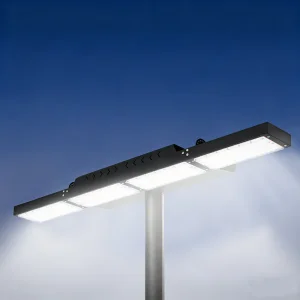
Premium high-mast sports illumination solutions designed for municipal venues, school grounds, and specialized arenas across Kenya.
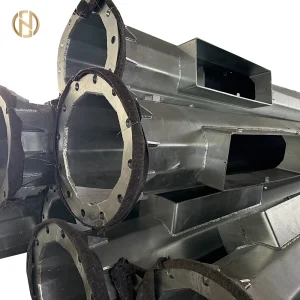
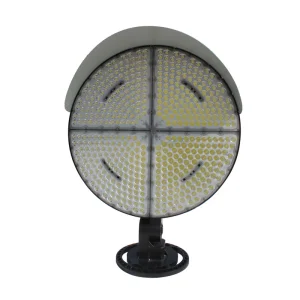
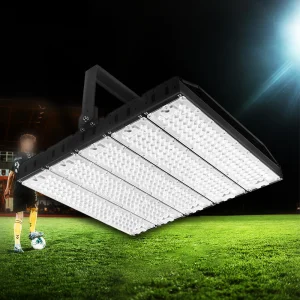
Kenya is witnessing a rapid paradigm shift in modern sports infrastructure. Driven by the National Vision 2030 development plan, county governments and private real estate developers from Nairobi to Kisumu and Mombasa are actively upgrading community sports grounds, university athletics facilities, and national arenas. High-Mast LED lighting solutions are key to facilitating evening play, enhancing security, and boosting local commercial revenues through nighttime match broadcasts.
Traditional Metal Halide lamps are rapidly phased out because of their massive electrical load, long warm-up times, and high replacement overheads. For Kenyan facility managers, finding cost-effective, high-efficacy LED stadium lights that can operate stably amidst grid instability and coastal humidity is crucial. Partnering directly with high-caliber Chinese manufacturers allows domestic engineering companies to source high-output fixtures that withstand regional conditions while lowering the total cost of ownership (TCO).
Our commercial-grade sports lighting assemblies integrate top-tier components like Philips Lumileds SMD5050 LEDs and heavy-duty Mean Well drivers, assuring continuous operational resilience even in isolated off-grid applications or solar hybrid installations.
How our LED sports illumination systems are adapted to meet geographical, environmental, and infrastructure characteristics in different regions of Kenya.
High salt-fog exposure, extreme humidity, and warm maritime winds can rust standard aluminum brackets within months. NexLt solves this by offering stadium fixtures finished with marine-grade C5 anti-corrosion protective coatings, combined with 316 stainless steel mounting brackets to guarantee structural integrity.
High altitude implies intense solar UV exposure, which can accelerate the yellowing and cracking of cheap optical lenses. Our premium PMMA asymmetric lenses are UV-stabilized, preserving high luminous transmission rates for over 10 years without color shifting.
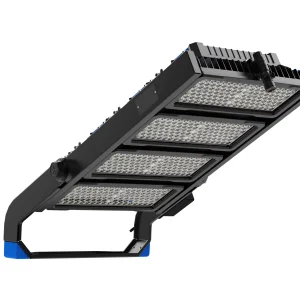
Extreme dust storms and high daytime temperatures require robust cooling systems. NexLt's modular high-power floodlights feature hollow backplane heat dissipation structures, preventing wind-blown sand accumulation and keeping the LED junction temperature below 65°C.
Where grid power is scarce or unreliable, solar hybrid options are essential. We supply low-voltage DC-compatible LED floodlights designed for integration with off-grid battery systems, ensuring rural communities can access safe, well-lit recreation spaces.
Jiangmen NexLt Light Co., Ltd. is a leading professional manufacturer, processor, and exporter specializing in solar projector lamps, municipal street lighting systems, high mast LED arrays, and comprehensive fixture components.
Equipped with state-of-the-art tooling machinery and staffed by senior lighting technicians, NexLt integrates research, product design, die-cast mold fabrication, assembly, and quality assurance. Our products conform to major international compliance structures (CE, RoHS, CB, IEC), making them highly compatible with the standards verified by the Kenya Bureau of Standards (KEBS).
From initial design drawing calculations to thermodynamic simulations and optical distribution mapping, our engineering department ensures that every lighting module shipped matches the precise illumination target specified. Our dedication to excellence and supply-chain transparency makes us a trusted manufacturing partner for major projects across East Africa.
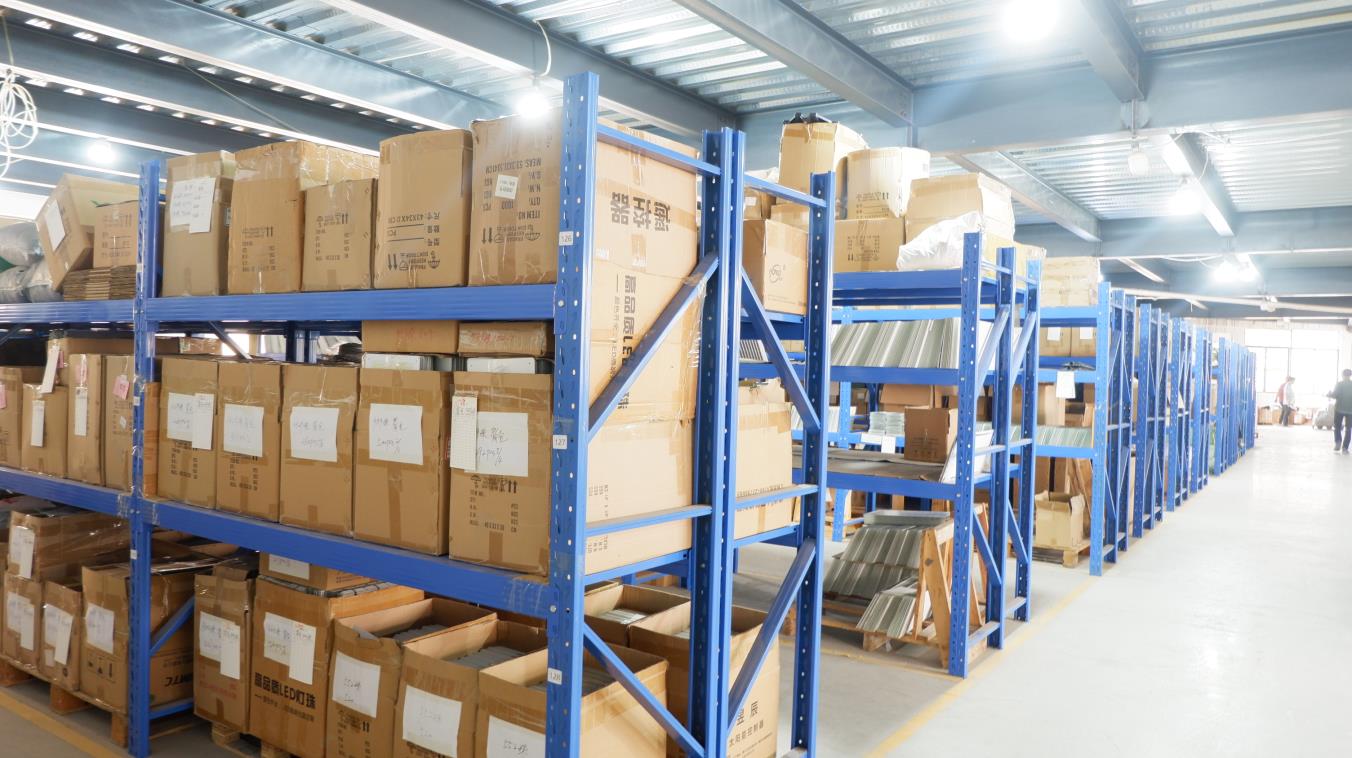
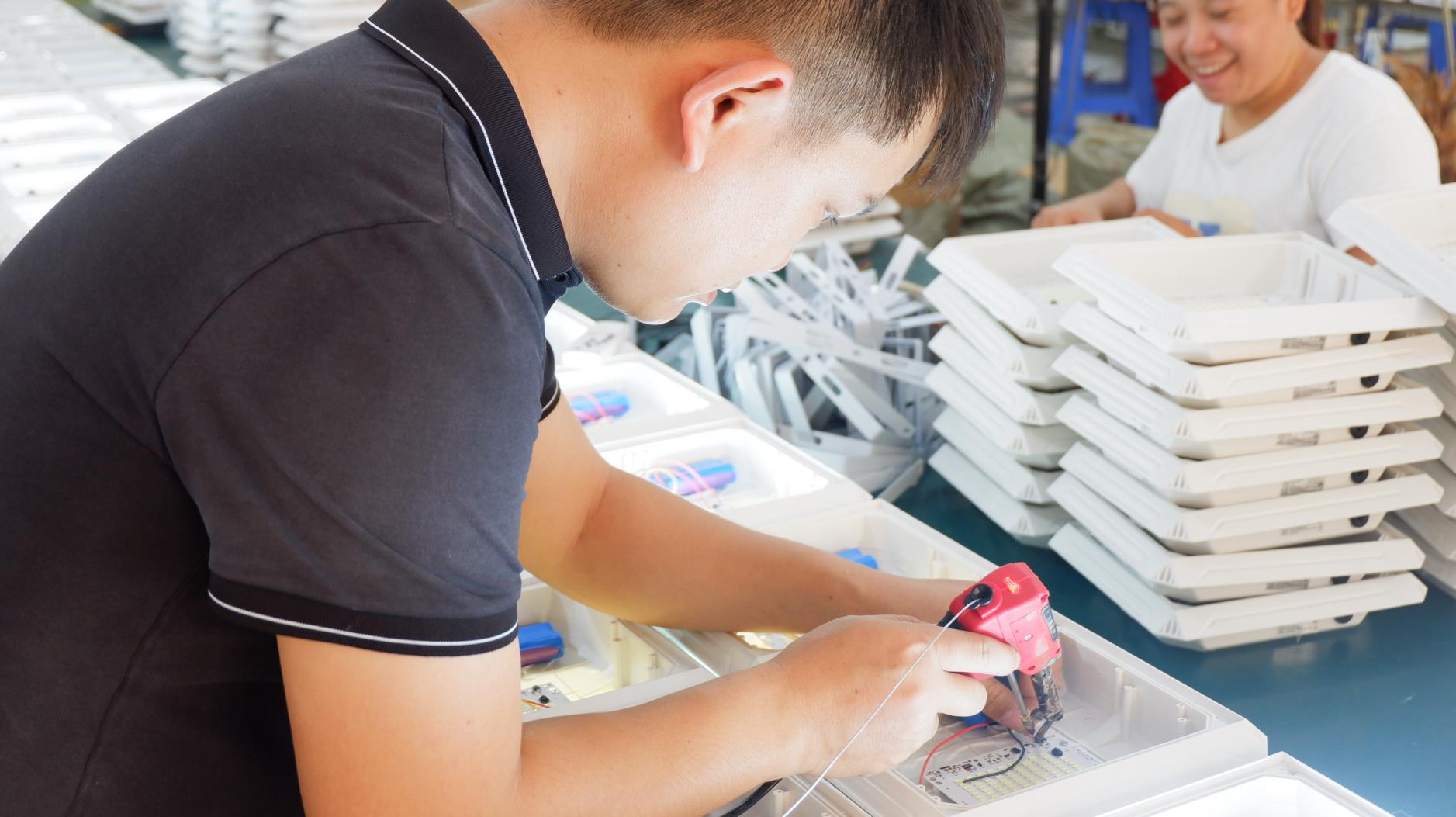
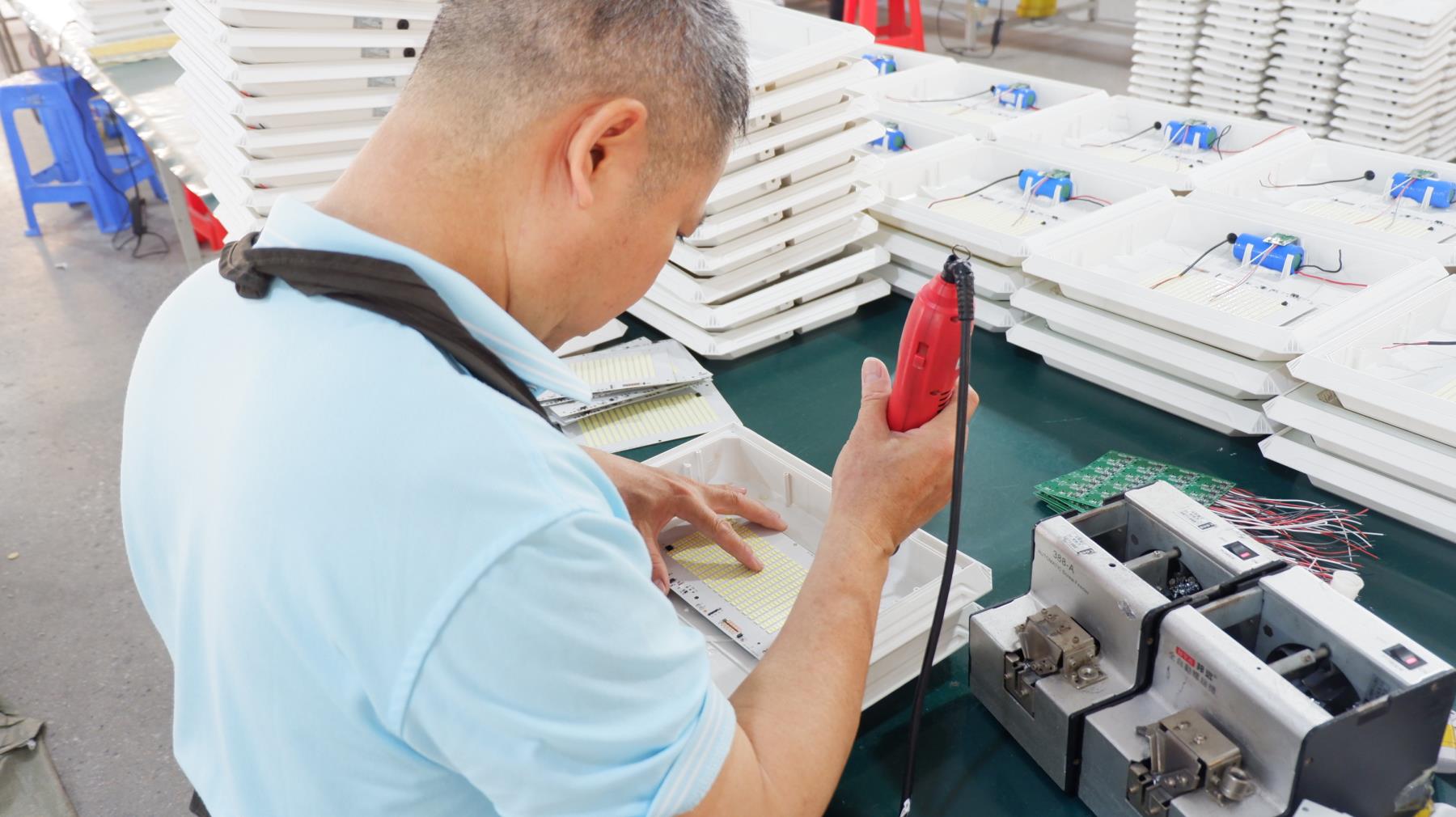


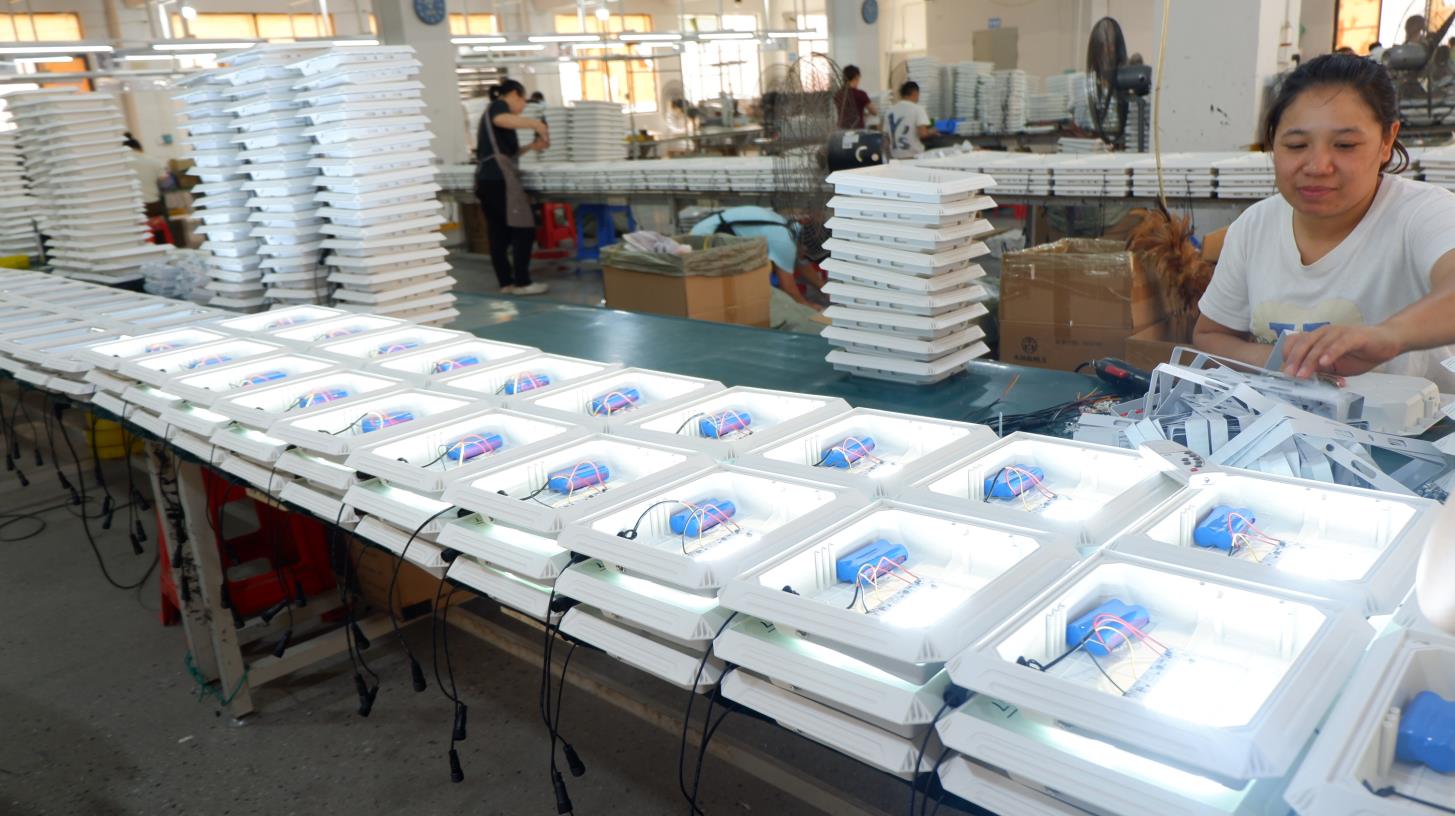
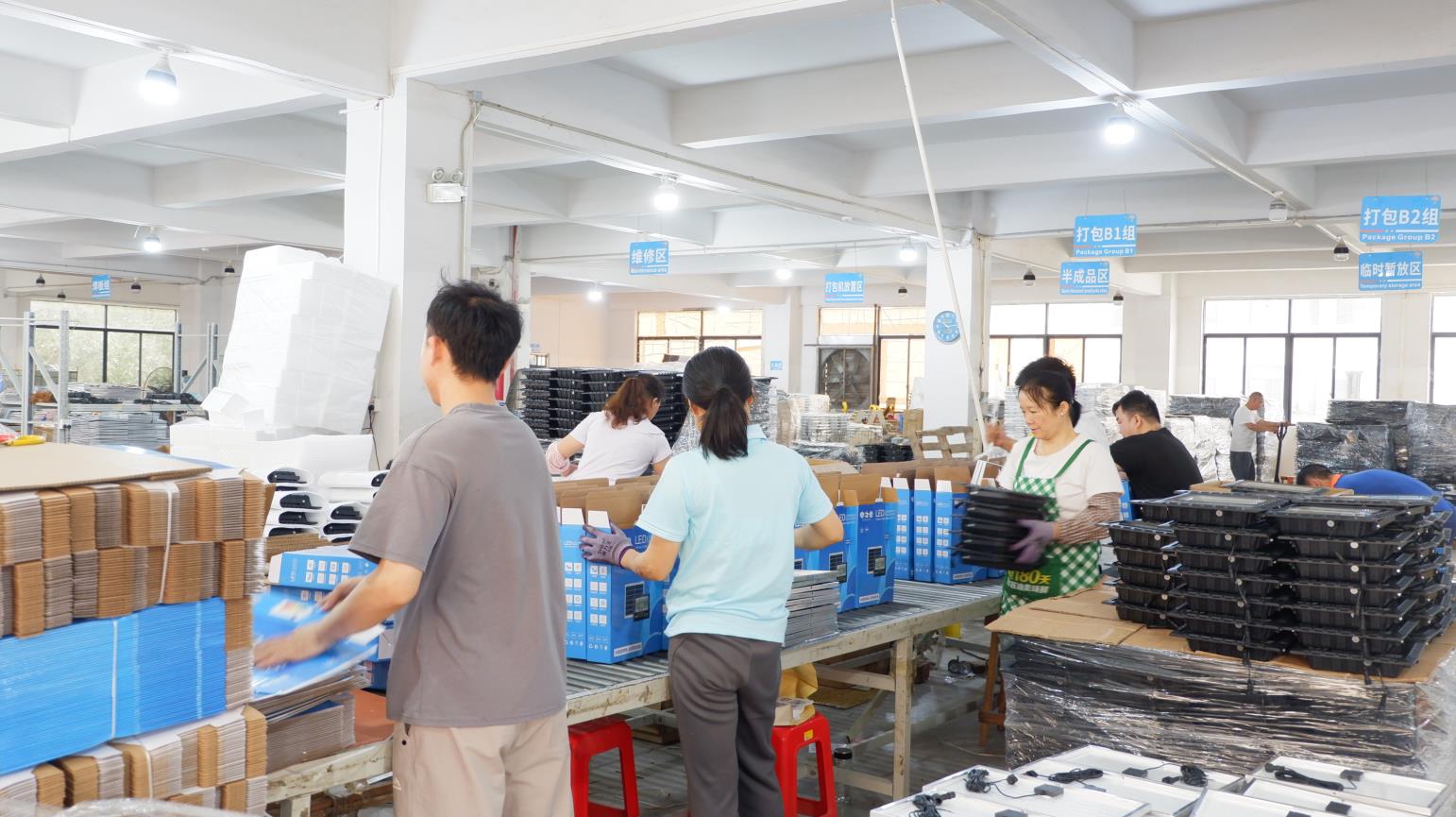
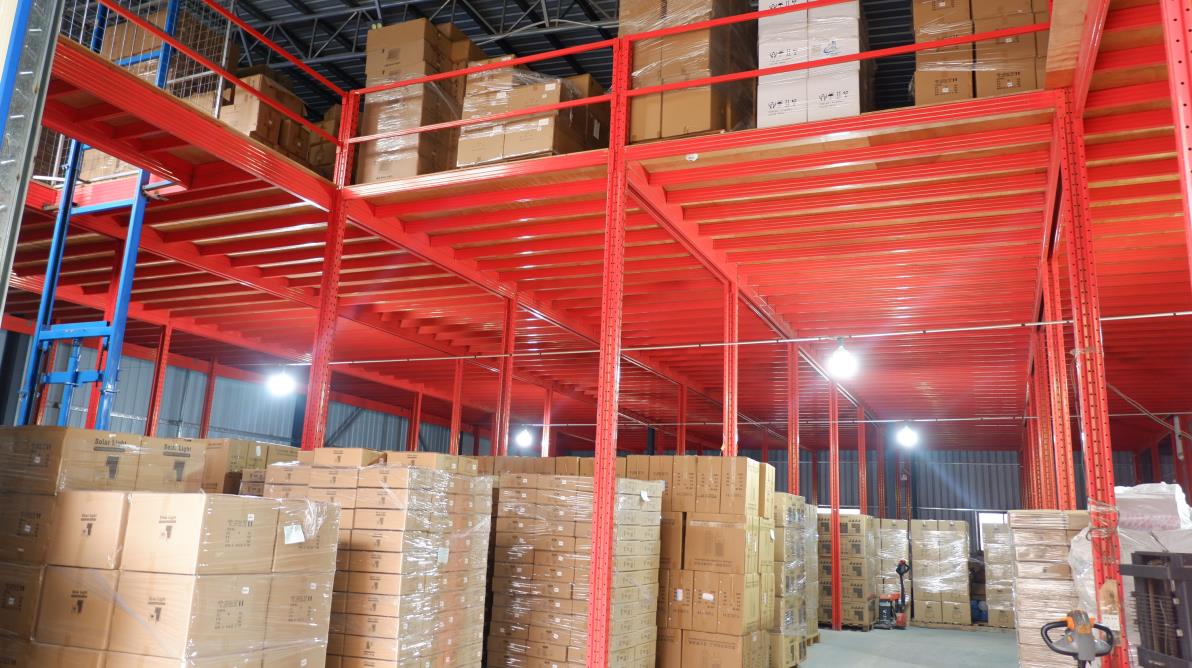
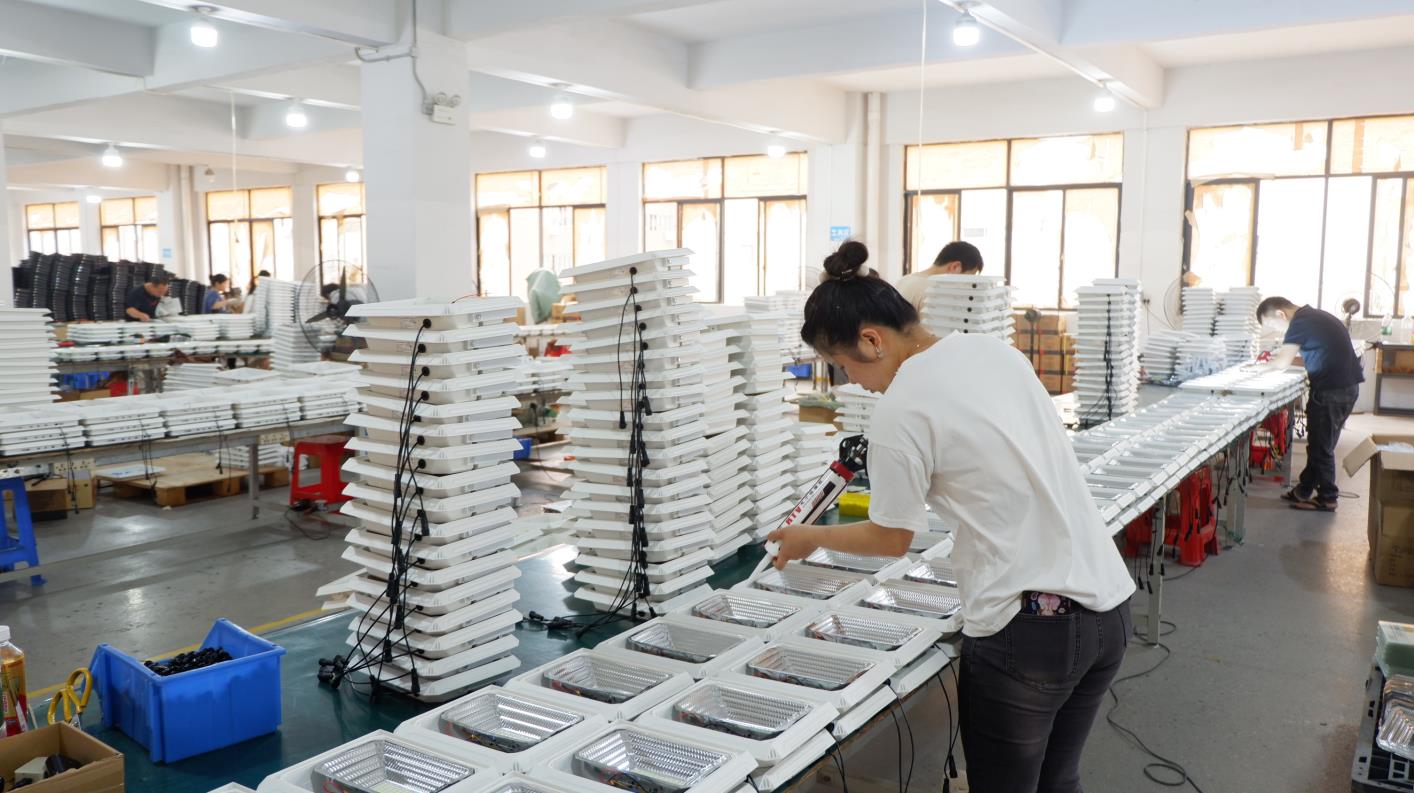


By routing manufacturing through Jiangmen, the epicenter of LED technology and lighting clusters in Guangdong, we leverage raw material localization and scale to reduce production costs. We offer stable sea shipping routes to the Port of Mombasa and coordinate direct inland logistics via the Standard Gauge Railway (SGR) to Nairobi's Inland Container Depot (ICD).
We handle all export compliance documentation to expedite customs clearance in Kenya, including local tariff classifications and HS Code optimizations for customs declarations.
How upcoming technological integrations are changing the sports lighting landscape in East Africa.
Future installations are moving beyond simple manual circuit breakers. Integrating DMX512 controllers with stadium LED drivers allows facility managers to program light shows, synchronize illumination with music, and instantly dim fixtures down to 10% between matches, cutting energy consumption during downtimes.
By upgrading to modern phosphor LED structures, our upcoming product line increases luminous efficacy to 180 lumens per watt. This means stadiums can achieve brighter, FIFA-compliant lighting levels using lower wattages, directly reducing the required solar panel capacity and battery storage size for off-grid venues.
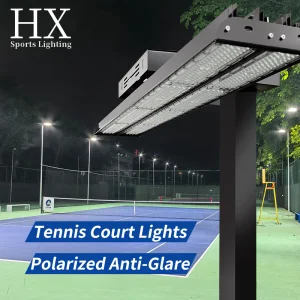
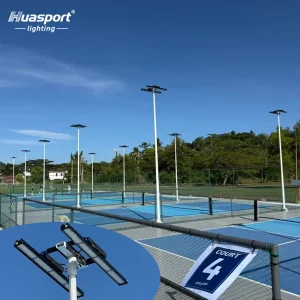
For broadcast-quality fields and high-speed tennis and pickleball games, glare control is critical. Our asymmetrical optical lenses utilize custom internal micro-reflectors to shape the light beam and prevent glare from affecting players' vision and camera recording angles.
Instead of disposing of an entire fixture when a driver fails, NexLt products feature field-replaceable LED modules and driver trays. This modular design helps reduce e-waste and allows local technicians to carry out repairs using standard tools.
Our engineering team provides comprehensive Dialux lighting simulations to ensure your setup meets local guidelines, KPLC efficiency standards, and international regulations.
Send Inquiry NowCritical insights for developers, civil engineers, and procurement teams importing LED stadium lighting into Kenya.
Explore our complete catalog of professional outdoor LED floodlights, multi-purpose mast poles, and specialized sports court fixtures.
 NexLt Light