Explore our high-efficiency municipal and industrial luminaire series deployed globally.
An authoritative analysis of IoT integration, ESG compliance, and energy security in municipal grids.
Modern cities are transitioning from isolated electrical grids to integrated, adaptive municipal frameworks. At the nexus of this transformation lies the Smart Street Light. No longer merely a source of illumination to ensure basic nocturnal visibility, contemporary street lighting systems serve as critical, edge-computing nodes in the Internet of Things (IoT) landscape. Across the Americas, Europe, and Asia, municipalities and industrial conglomerates are actively converting legacy High-Pressure Sodium (HPS) and metal halide fixtures into highly connected, sensory-enabled LED systems.
The global push towards carbon neutrality, governed by strict ESG (Environmental, Social, and Governance) investment parameters, has accelerated the demand for intelligent outdoor lighting. According to market research, the global smart street lighting market size is anticipated to surpass USD 14 billion by 2030, exhibiting a compound annual growth rate (CAGR) exceeding 18%. This growth is driven by the convergence of energy-efficient solid-state LED systems and advanced telecommunications networks, including NB-IoT, LoRaWAN, and 4G/5G LTE cellular grids.
Understanding the technical specifications, optical requirements, and certifications necessary for large-scale municipal tenders.
B2B buyers require precision-engineered light distribution (Type II, Type III, Type IV, or Type V asymmetric lenses) to minimize light pollution (sky glow) while ensuring optimal, uniform lux levels across roadways, highway interchanges, and pedestrian sidewalks.
A key determinant of LED lifespan is heat dissipation. Robust industrial luminaires must utilize ADC12 die-cast aluminum housing structures with optimized thermal channels, ensuring junction temperatures remain low even in hot, arid, or sub-tropical climates.
Compliance with international standards is mandatory. Products must undergo testing for IP65/IP66 ingress protection, IK08/IK10 impact resistance, CE, RoHS, and FCC compliance, protecting municipal capital investments from premature environmental failures.
The global competitiveness of smart lighting products relies on agile manufacturing paradigms. China's Pearl River Delta region, particularly Jiangmen, serves as the epicentre for advanced lighting supply chains. In this landscape, Jiangmen NexLt Light Co., Ltd. stands as a highly authoritative and specialized manufacturer, processor, and global supplier.
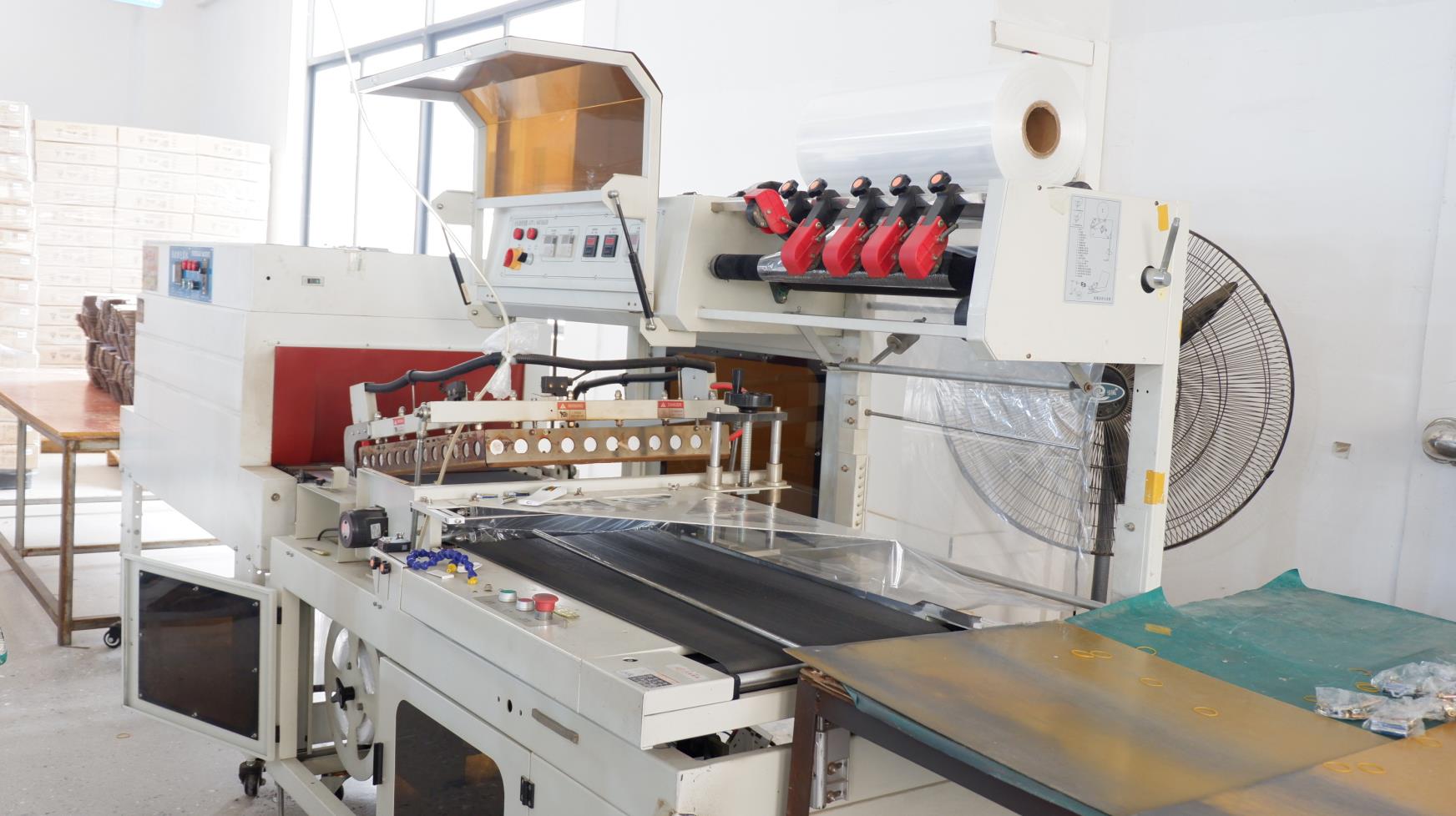
By integrating Raw Material processing, precision CNC welding, automated structural assembly, protective gluing, and rigorous environmental stress testing, NexLt guarantees quality consistency and scale efficiency. Operating under Industry 4.0 principles, we combine automated robotic tooling with highly skilled, certified operators to maintain high throughput with minimal defects.
Our professional technical team consists of experienced engineers and lighting specialists with over 12 years of research and development experience. We merge deep electronic and materials engineering with IoT firmware programming to design and deliver high-performance municipal-grade equipment.
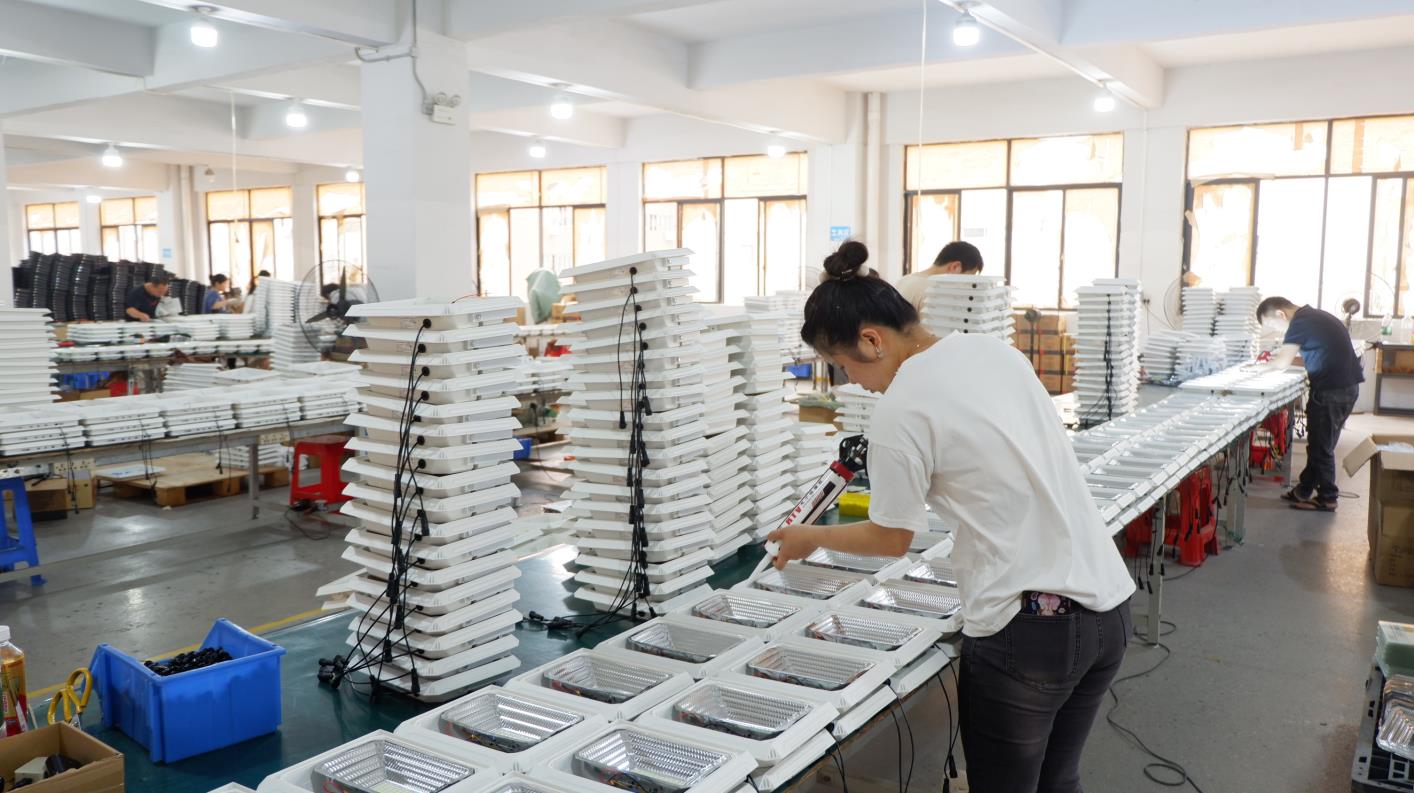
Every stage of production at our Jiangmen factory is optimized for quality control, engineering precision, and reliability.
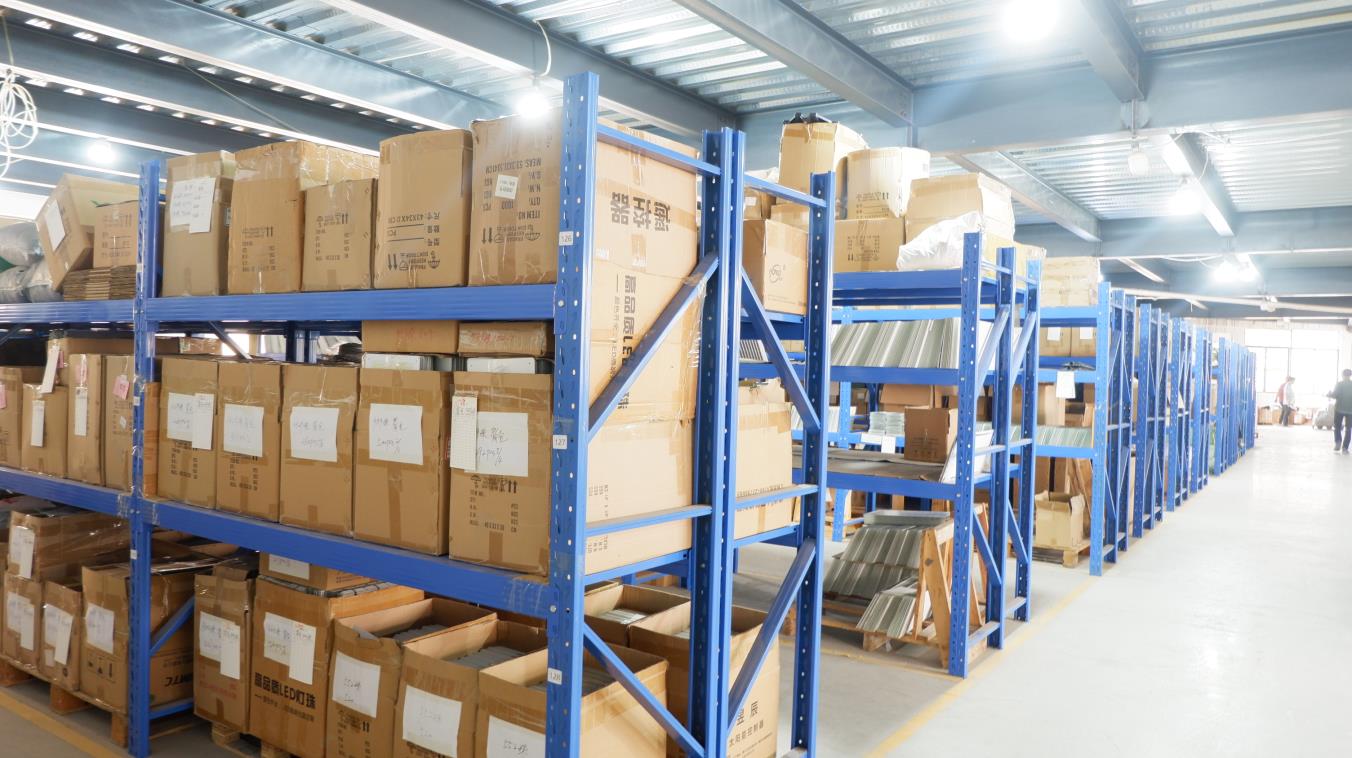




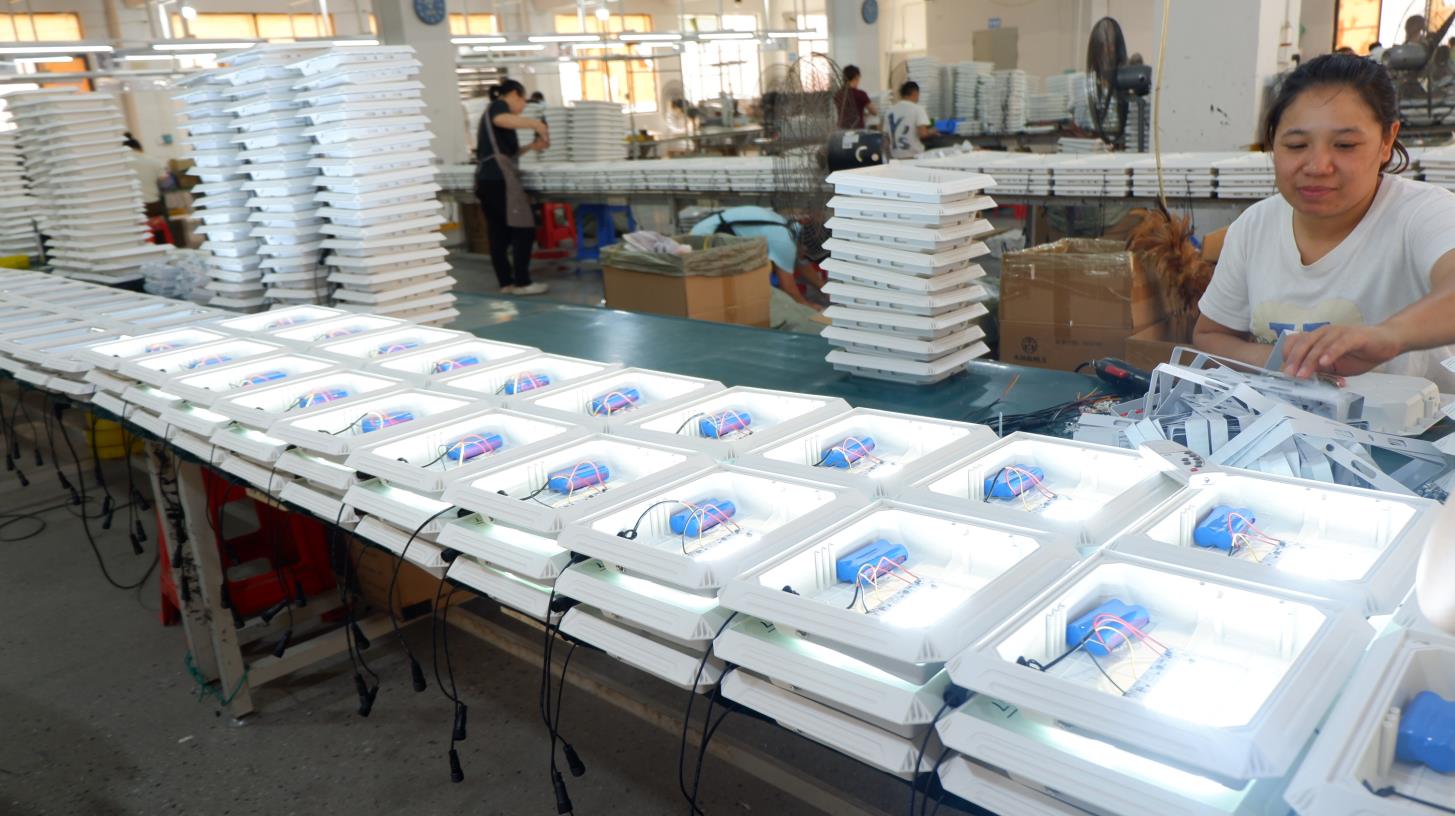

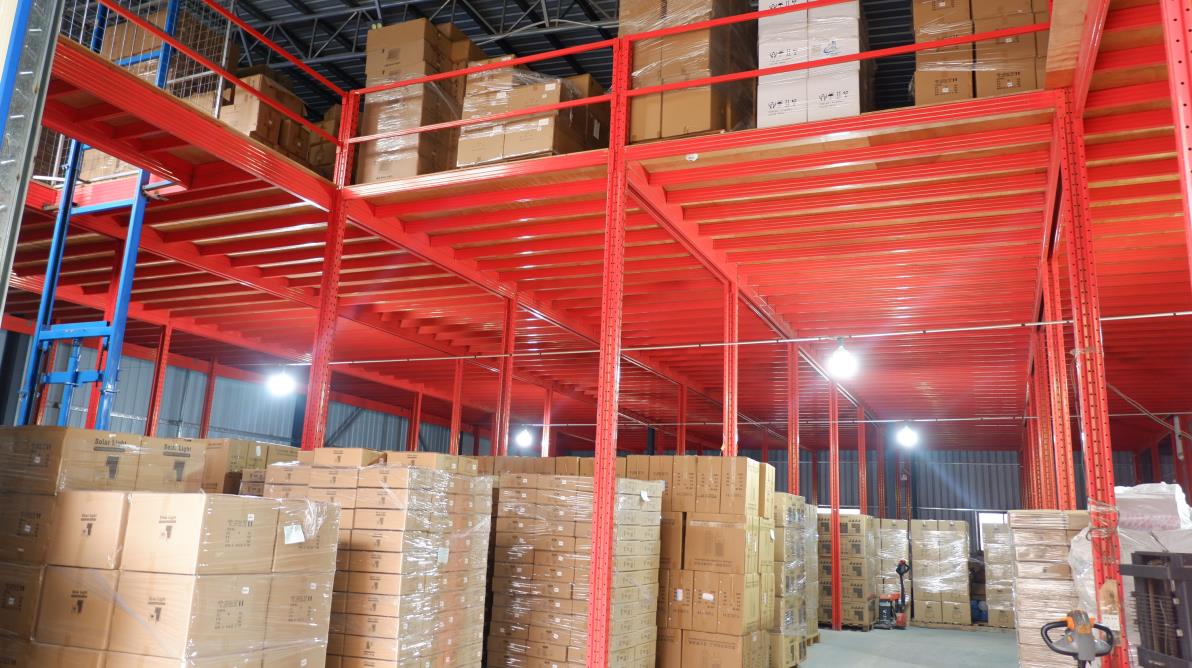

We deliver premium, energy-efficient solutions built for long-term municipal and industrial partnerships.
Engineers and lighting specialists with over 12 years of research and development experience, delivering tailored electrical designs, heat sink models, and IoT controller systems.
From smart solar street poles to heavy-duty industrial UFO high bays, Dynamic Gobo projectors, and lifting roadway lighting poles, we supply all components required for modern smart city initiatives.
We modify casings, optical lenses, IoT connectivity configurations (NB-IoT/4G/LoRa), and battery modules to meet structural, environmental, and regional specifications for international clients.
Every driver, LED array, battery module, and controller undergoes intensive diagnostic EL testing and thermal aging cycles, minimizing failure rates in the field.
We prioritize highly recyclable materials, zero-pollutant assembly practices, and low standby consumption models to support regional and global decarbonization targets.
Tailored optical and connection properties built to withstand unique environmental and operating demands.
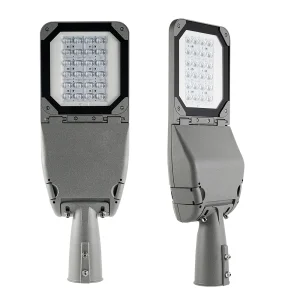
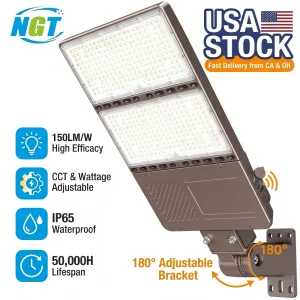
High-volume traffic zones require uniform, high-lumen illumination to minimize vehicle collision risks. Our integrated smart LED lights offer up to 300W of high-efficiency output. Integrated NEMA-connected controllers automatically raise light output to 100% during rush hour and dim to lower levels during late-night hours, helping municipal operations save up to 40% on energy costs.
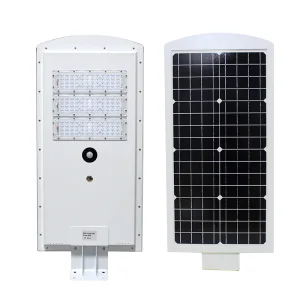
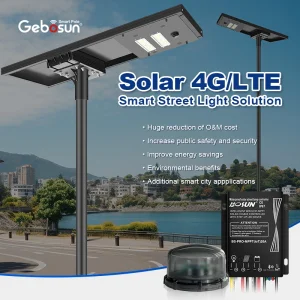
Laying down extensive cabling grids in remote rural contexts can be cost-prohibitive. All-in-one solar streetlights with integrated PIR motion sensors and long-life LiFePO4 battery modules offer a cost-effective, self-sustaining lighting alternative. Equipped with adjustable telescopic poles, they are simple to transport and install on local pathways.
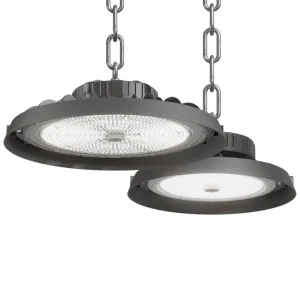
Industrial settings require rugged, high-powered luminaires that can withstand dust, vibration, and moisture. Our 100W IP65 UFO High Bay series, complete with motion sensors and 5-year warranties, provides consistent lighting levels for distribution facilities and manufacturing plants, reducing active power draws when work zones are unoccupied.
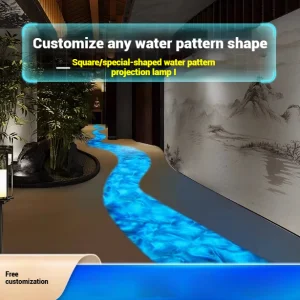
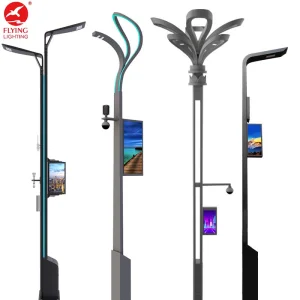
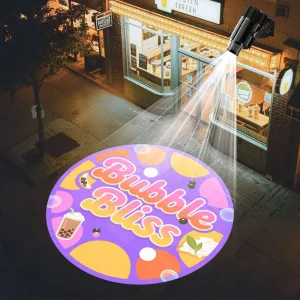
Modern public spaces demand both safety and visual appeal. Solutions like dynamic wave projectors, custom Gobo advertising light systems, and intelligent solar smart poles featuring CCTV cameras and public warning indicators help cities build safe, interactive, and modern walking zones.
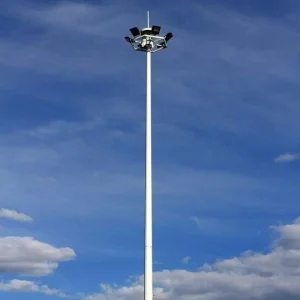
Premium components, safety studs, dynamic projection units, and robust high-mast structures.
Providing clear, detailed answers to technical and operational queries regarding smart street lighting systems.
Smart street lighting systems typically rely on either cellular or mesh/LPWAN technologies:
NB-IoT (Narrowband IoT) & 4G/LTE: Connect directly to existing cellular networks, offering high bandwidth and reliable coverage, which makes them ideal for smart poles with integrated cameras and multiple sensors.
LoRaWAN: A low-power, long-range wireless protocol that allows municipalities to operate their own local gateways. It is highly energy-efficient and works well for simple telemetry and dimming commands.
Zigbee: An local wireless mesh network standard best suited for high-density node clustering over shorter distances.
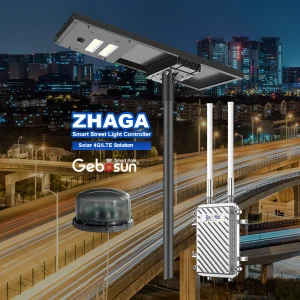
NEMA and Zhaga standards define the physical, electrical, and data interfaces between the lighting fixture (luminaire) and the smart control node. A standard NEMA socket (typically 5-pin or 7-pin) handles high-voltage AC power and analog dimming signals. In contrast, the newer Zhaga interface features a smaller footprint and uses low-voltage DC signals, providing digital communication channels (such as DALI-2) that allow nodes to easily retrieve telemetry data from smart LED drivers.
Running LEDs at high temperatures accelerates lumen degradation and can shorten their useful lifespan. To maintain stable performance, Jiangmen NexLt Light Co., Ltd. uses ADC12 die-cast aluminum housing designs. These casings feature built-in thermal fins that help keep LED junction temperatures below 75°C, ensuring consistent light output and protecting sensitive electrical components over years of continuous use.
Microwave Sensors: Emit high-frequency electromagnetic waves to detect changes in reflections. They offer long detection ranges, wide coverage angles, and are not affected by ambient temperatures, making them highly reliable for moving vehicles.
PIR Sensors: Detect changes in infrared energy levels (heat signatures). They require a clear line of sight and are best suited for slow-moving targets like pedestrians in low-to-moderate wind conditions.
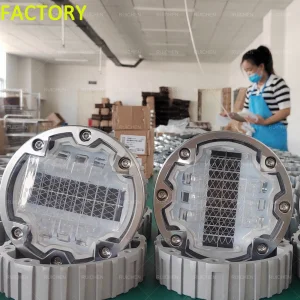
Active solar road studs (like the IP68-rated IL300) provide persistent, high-visibility guidance during heavy rain, fog, or dark nights. Unlike passive reflectors that rely entirely on vehicle headlights, solar-powered LED studs flash or glow continuously, helping drivers see lanes and upcoming turns from up to 800 meters away to improve roadway safety.
Lithium Iron Phosphate (LiFePO4) is the preferred choice for modern outdoor solar installations. Compared to traditional Lead-Acid or Ternary Lithium options, LiFePO4 batteries offer a longer service life (often exceeding 3,000 charge cycles at 80% depth of discharge), high thermal stability in hot climates, and a safe, environmentally friendly composition.
 NexLt Light