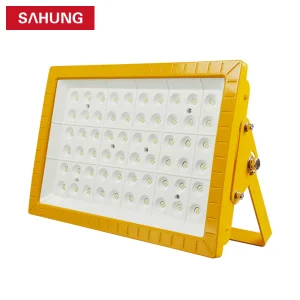
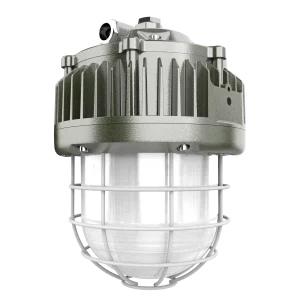
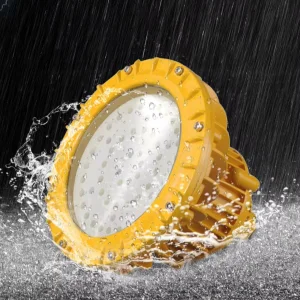
Explore our high-performance explosion-proof series optimized for Swiss manufacturing, chemical pipelines, and power plants. Each unit undergoes strict calibration to match SEV, ESTI, and SUVA compliance parameters.
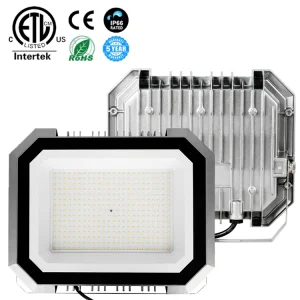
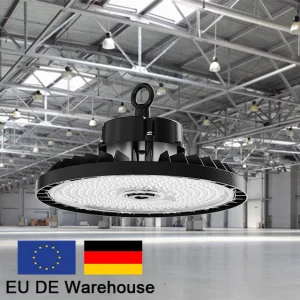
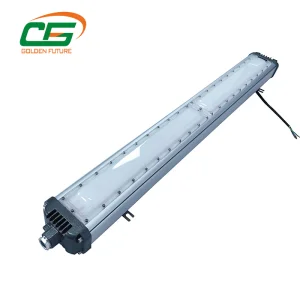
Switzerland is internationally renowned for its highly specialized pharmaceutical, chemical, biotechnology, and precision engineering sectors. Regions like the Basel cluster, Valais, and Geneva host some of the most complex production environments in the world. Operations involving volatile solvents, API synthesis, gas distribution, and Alpine tunneling projects present demanding risks that necessitate robust, explosion-proof components.
As the country transitions toward advanced automation, Swiss safety regulators (such as ESTI and SUVA) enforce stringent guidelines. Standards based on the European ATEX directives (specifically 2014/34/EU) and global IECEx frameworks govern all installations. Meeting these directives means explosion-proof lighting is not just a utility, but a crucial compliance layer guarding against catastrophic sparks in Zone 1, 2, 21, and 22 classifications.
The industrial lighting sector is moving beyond basic illumination toward intelligent, connected ecosystems. In Swiss high-tech corridors, integration with Smart Building Management Systems (BMS) using DALI-2 protocols is becoming a standard procurement requirement. This integration enables real-time monitoring of fixture health, automated emergency tests, and dynamic dimming to minimize carbon emissions.
High-efficiency LED chips (reaching up to 160 lm/W) generate significant heat within sealed, flameproof compartments. Modern design trends utilize multi-chamber thermal coupling. This technique isolates the LED driver from the diode board, ensuring heat does not compromise sensitive electronic components. By keeping junction temperatures below critical auto-ignition points (such as the 85°C limit required for T6 ratings), the system gains a longer operational life—exceeding 80,000 hours of L70 maintenance.
Simultaneously, advances in beam shaping and anti-glare optics are improving worker visual comfort in tight industrial zones. Precision-engineered lenses direct light exactly where it is needed. This reduces scattered reflection off metal surfaces and minimizes waste in high-ceiling structures typical of Swiss processing plants.
In hazardous areas, power disruptions can present immediate physical dangers. Integrating emergency backup modules within standard UFO and linear fixtures guarantees continuous lighting. Lithium iron phosphate (LiFePO4) battery packs, coupled with thermal insulating wraps, provide up to 180 minutes of sustained emergency output. This ensures safe evacuation or controlled shutdown procedures can take place in critical chemical environments.
Partnering with Jiangmen NexLt Light Co., Ltd. gives Swiss businesses direct access to advanced production and strict quality control systems. Our facility combines automated machinery with certified quality processes to deliver cost-effective, high-reliability products.
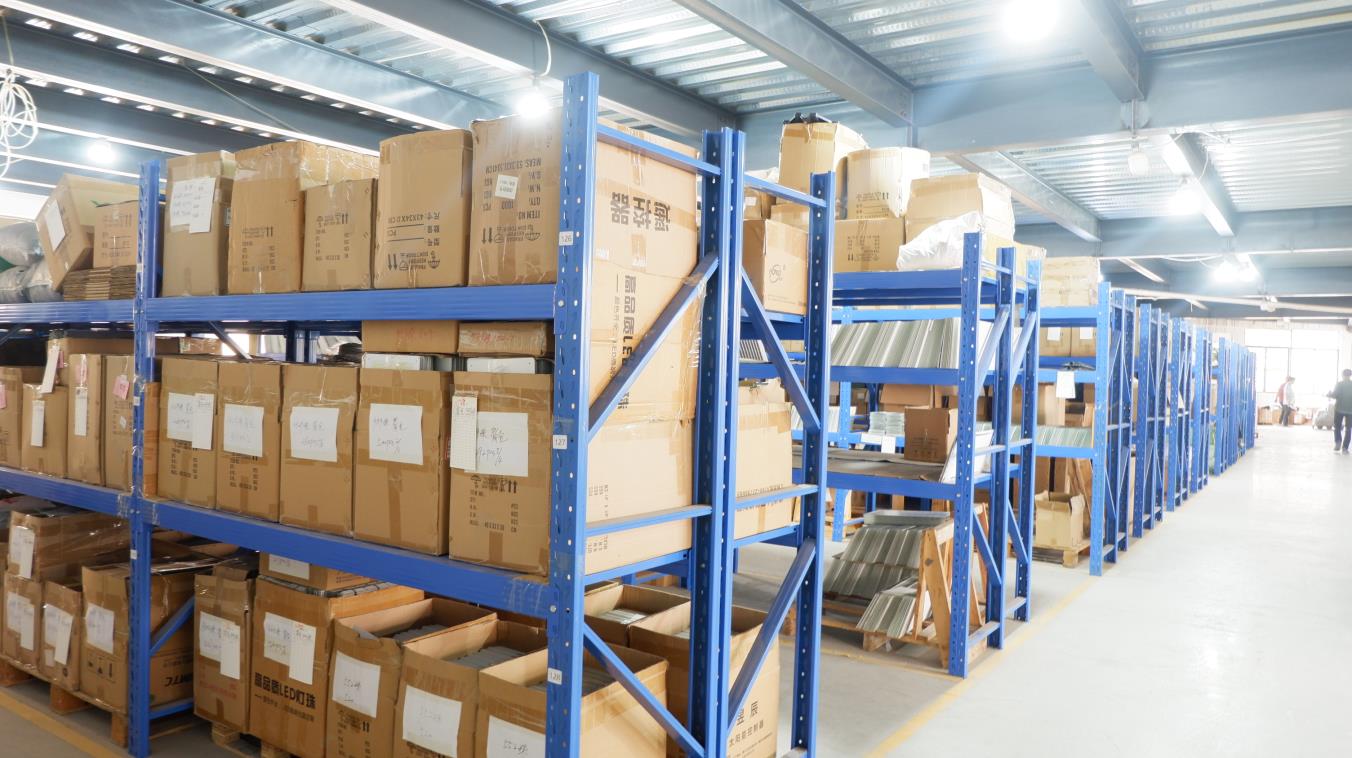
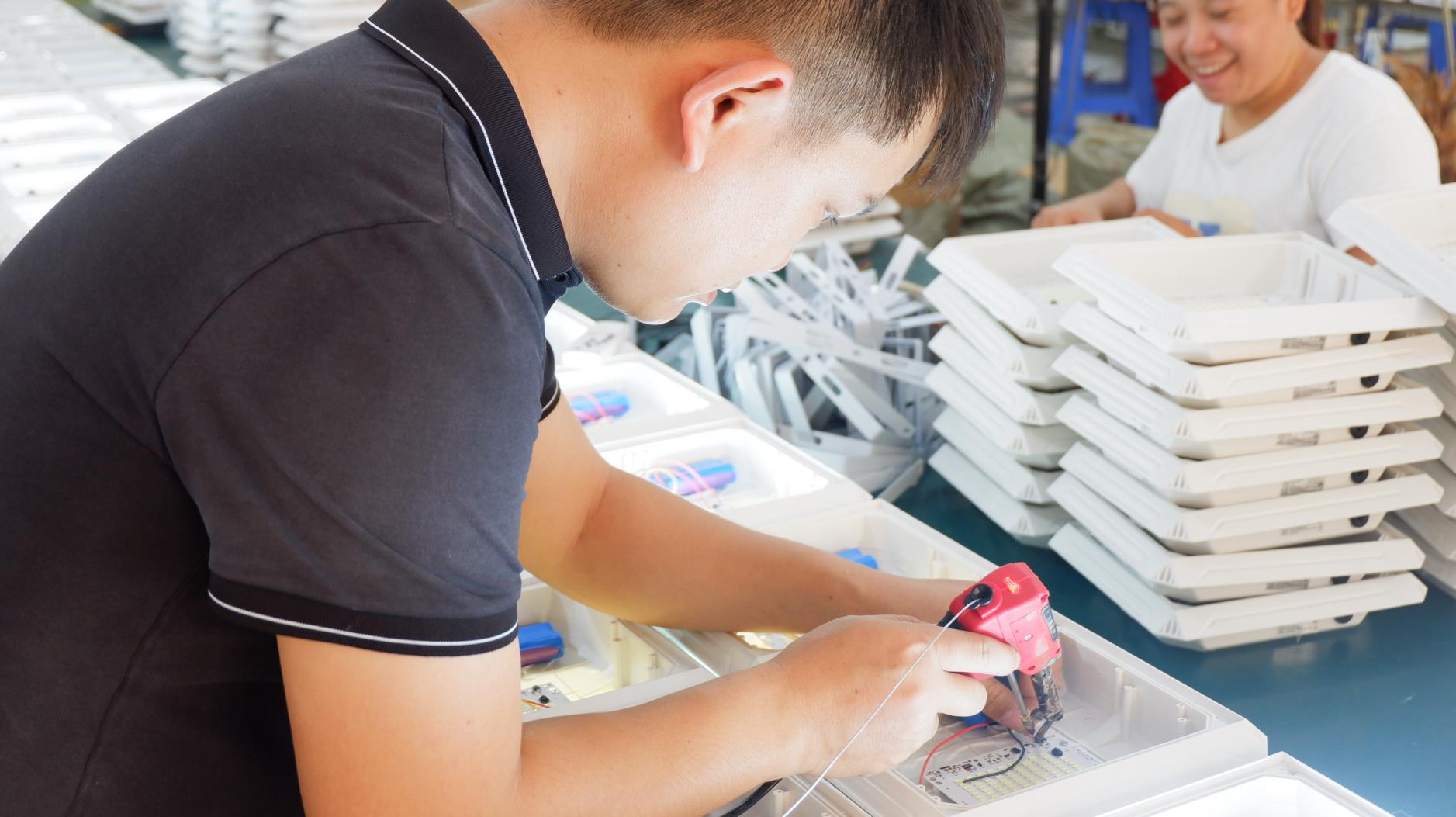
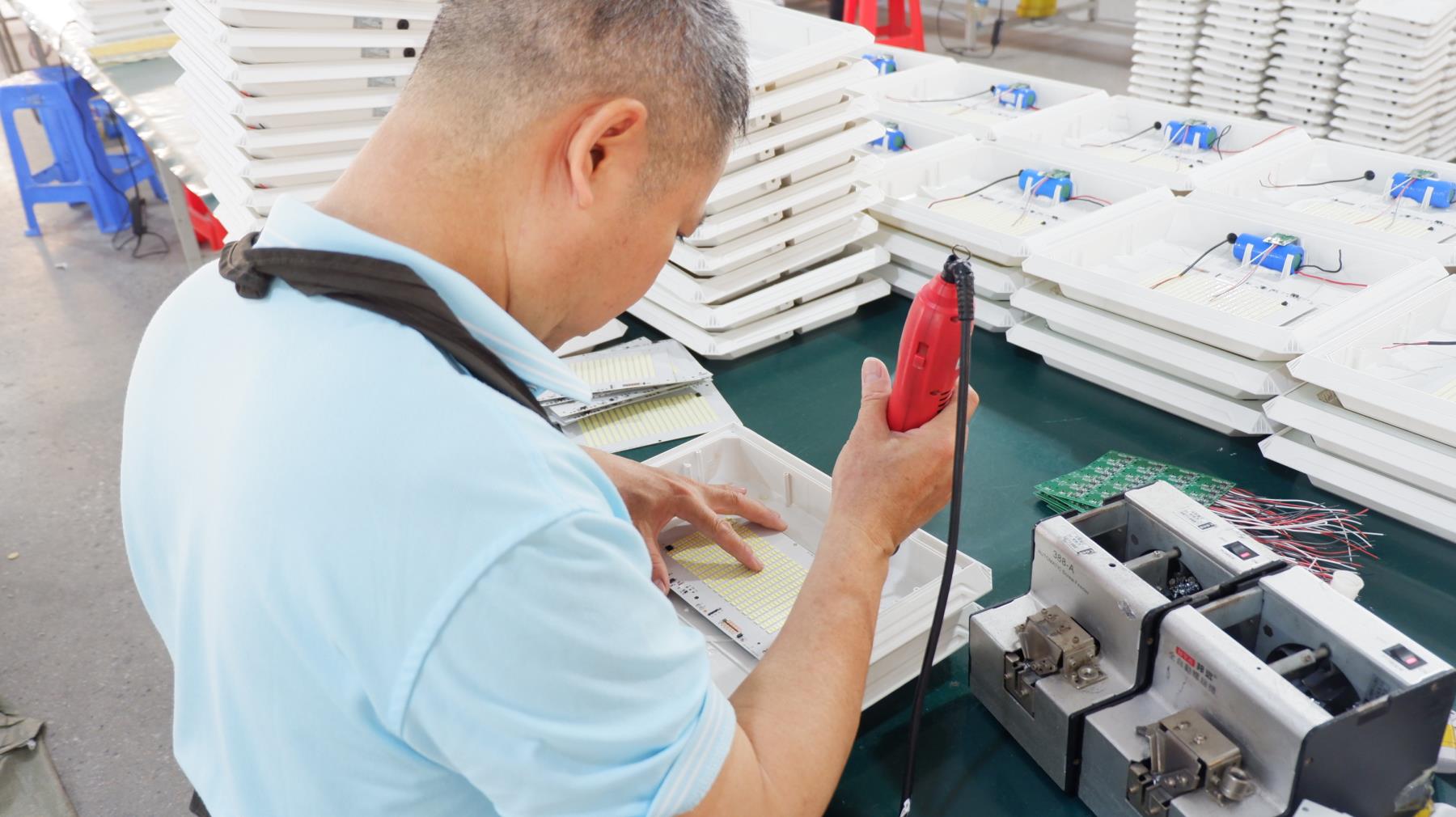
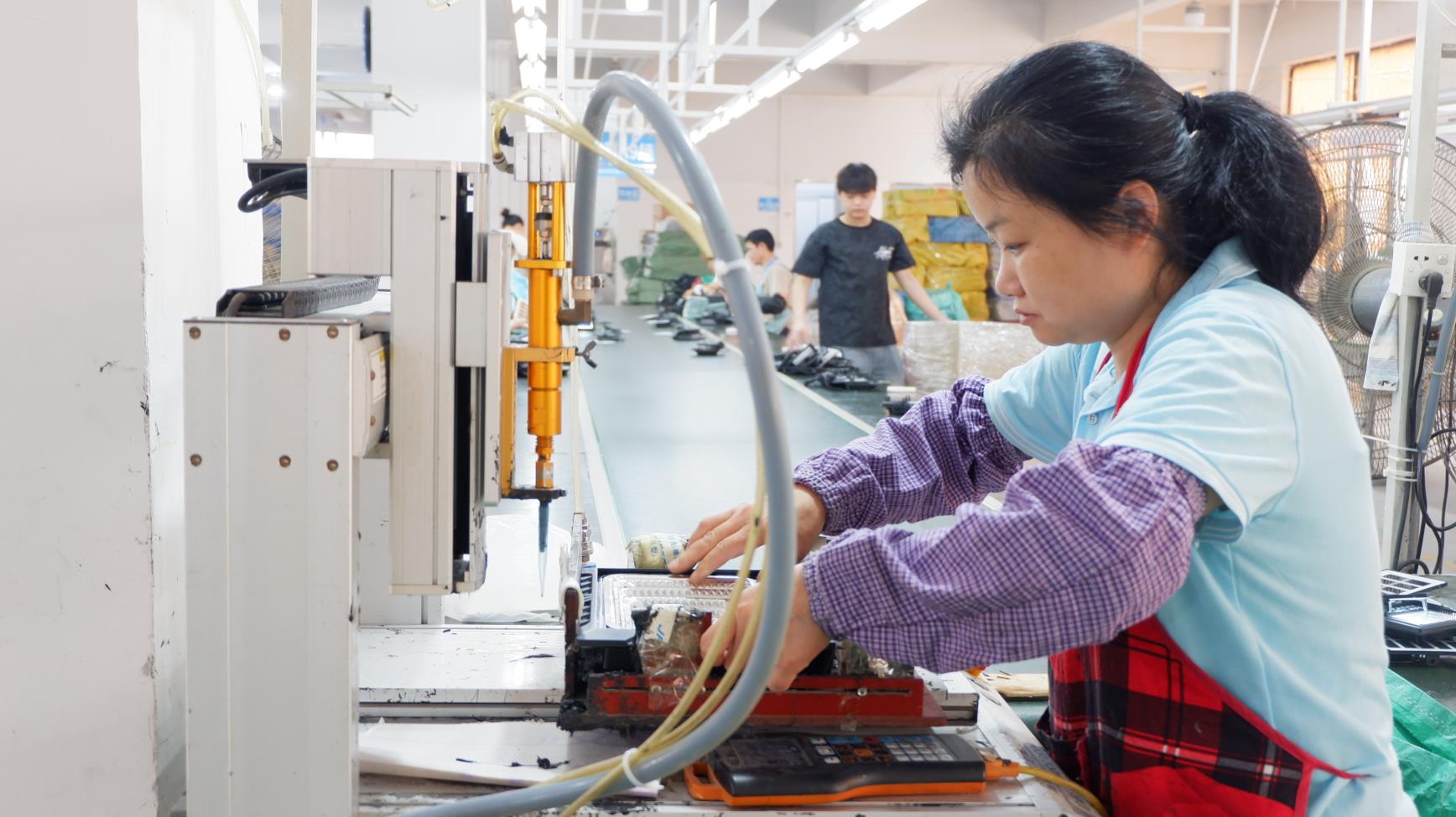
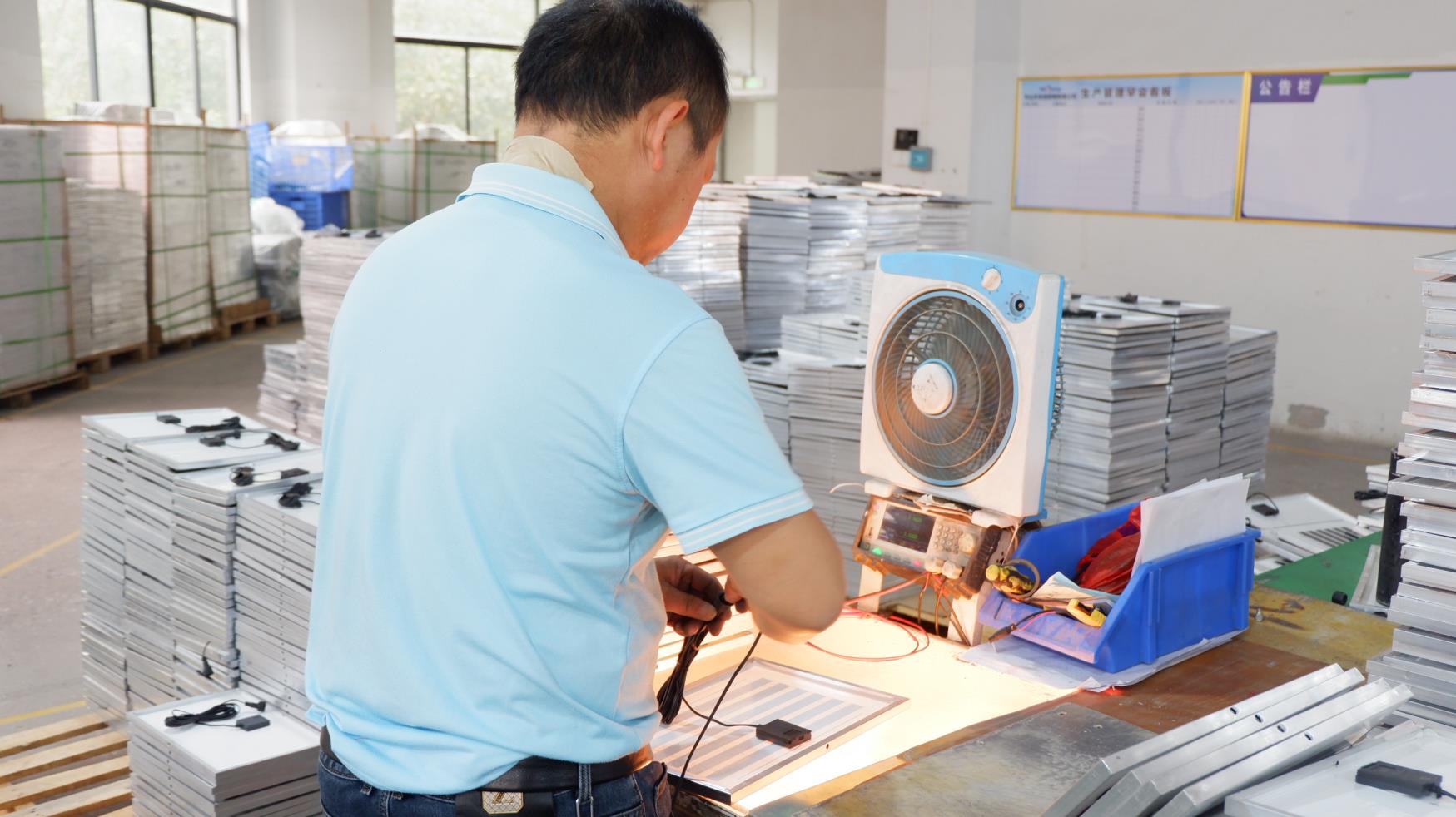
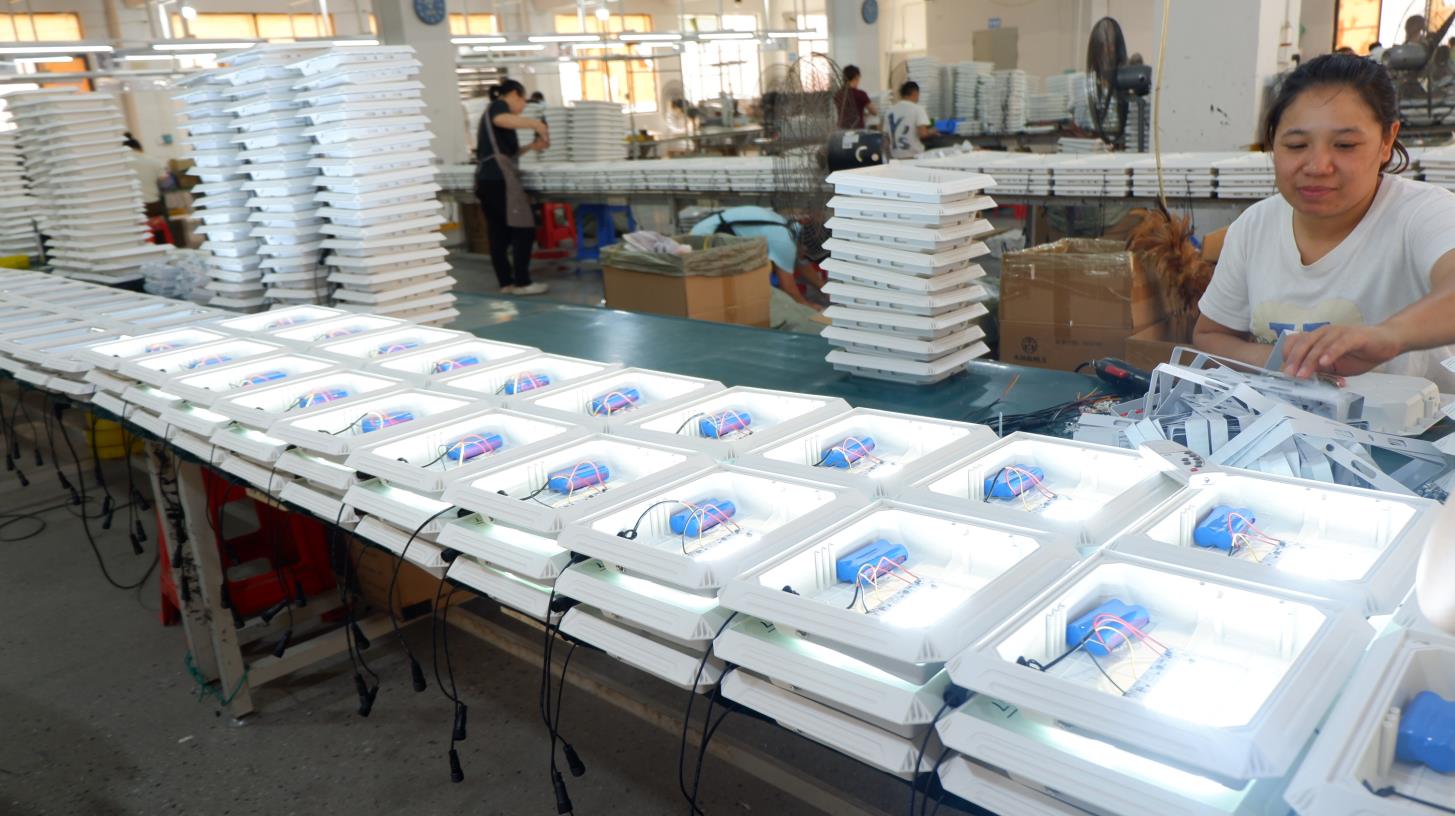
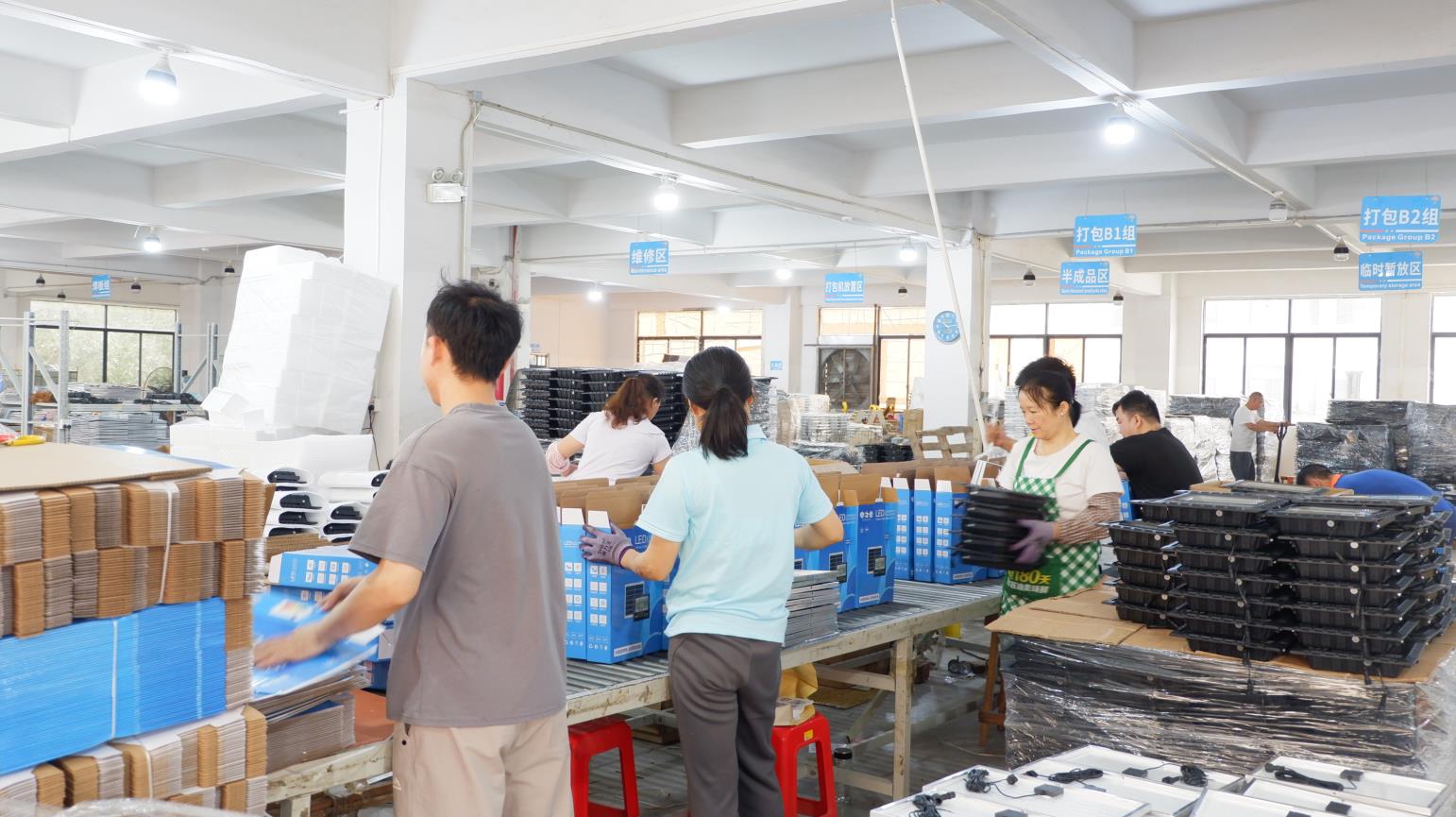
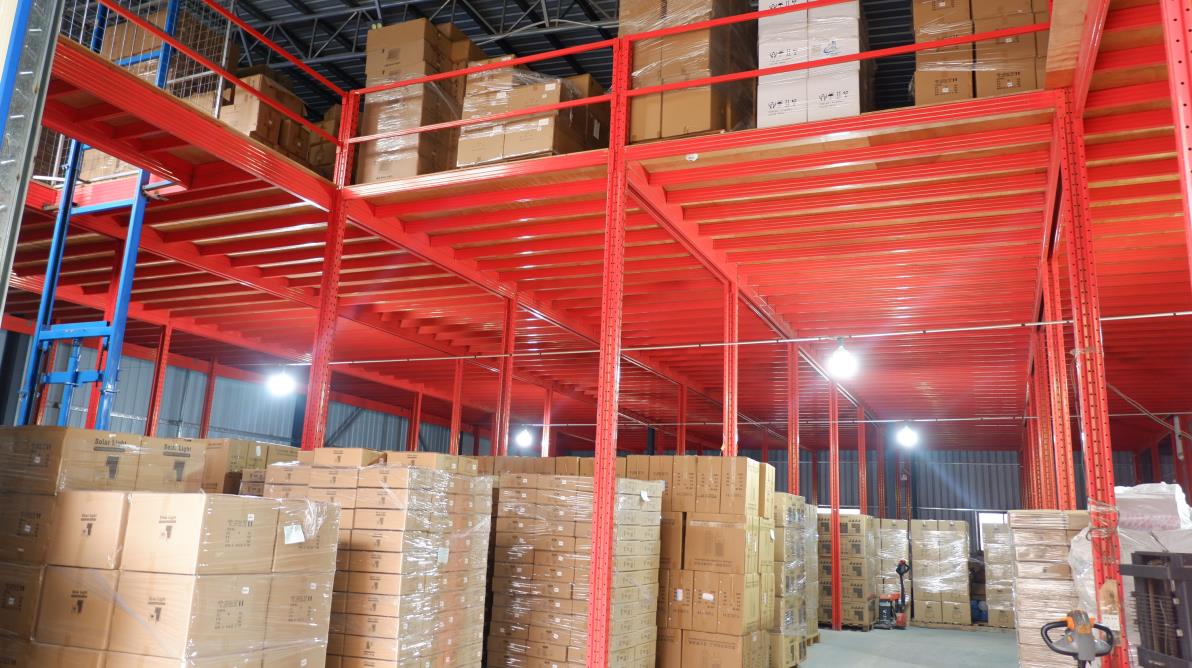
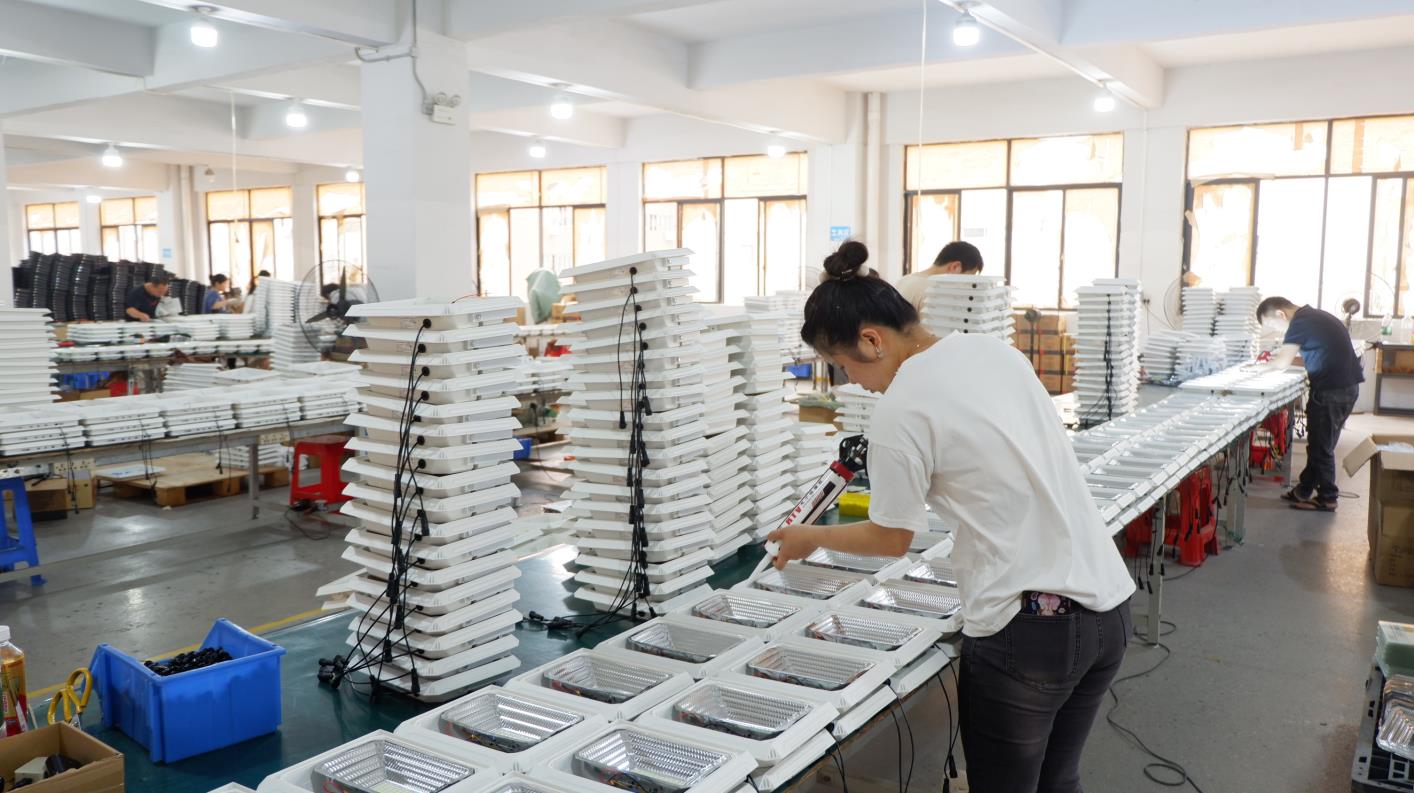
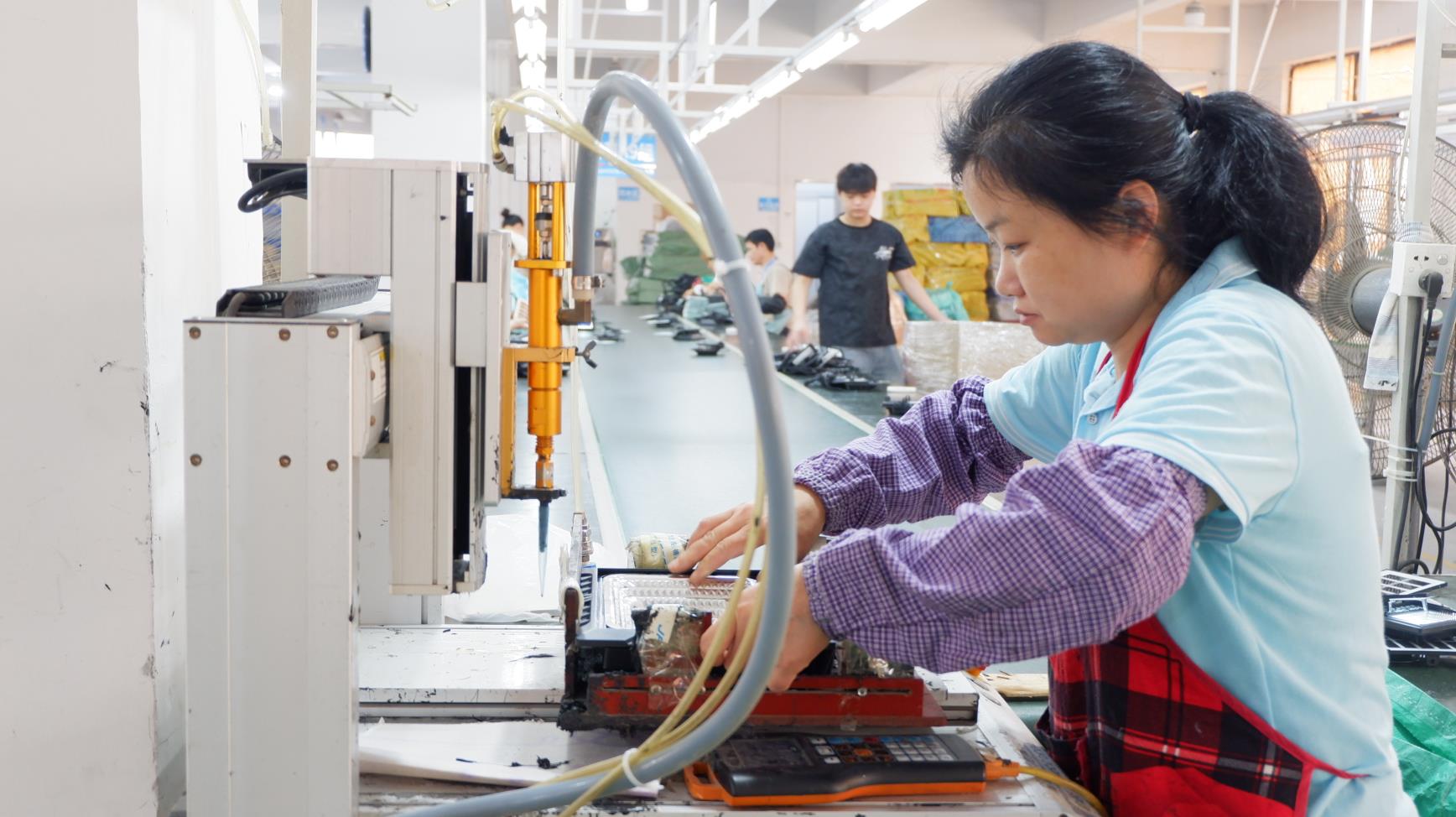
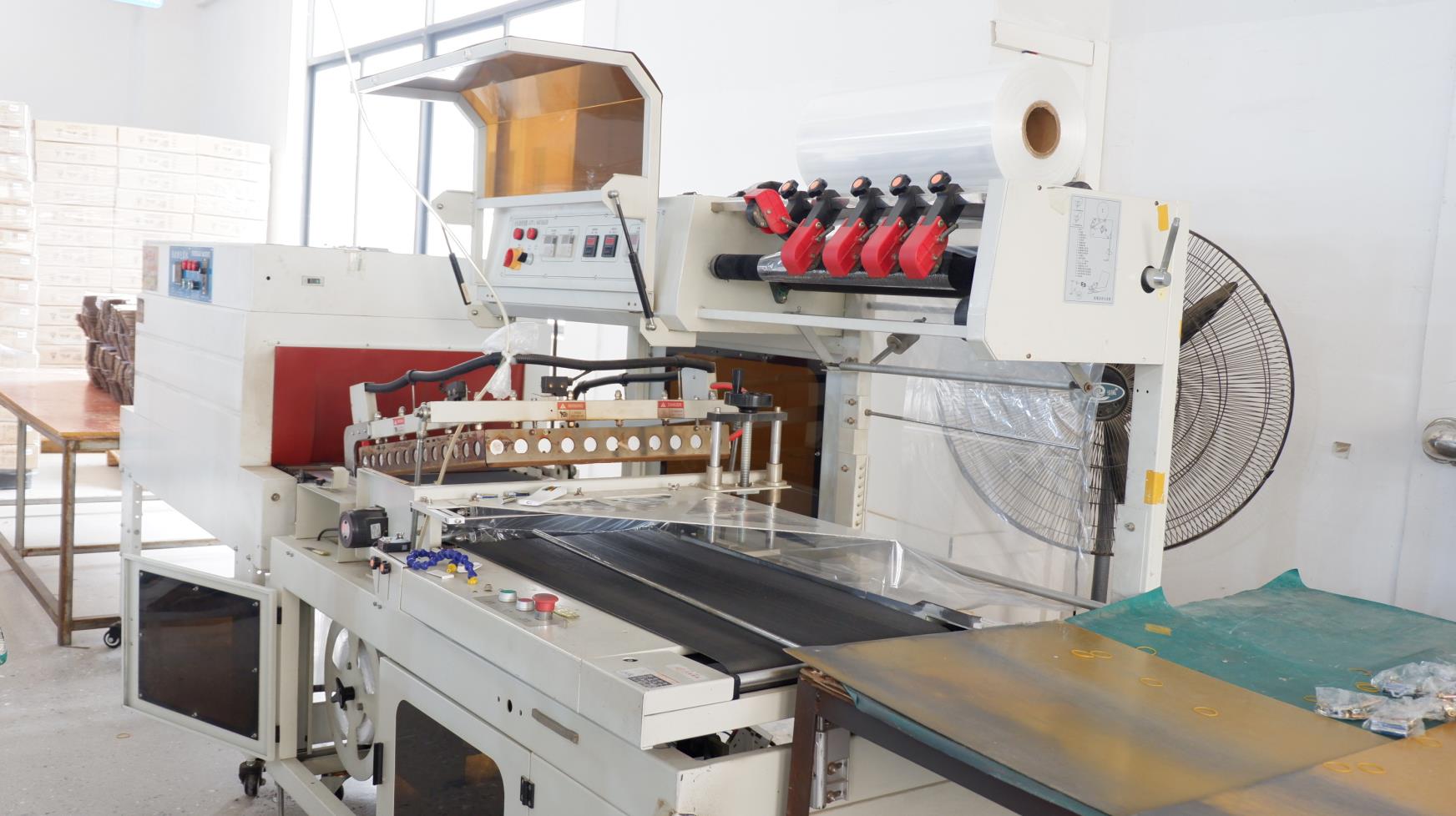
Our engineering division has over 12 years of research and development experience. We design, manufacture, and customize lighting solutions to meet demanding industrial and commercial environments. This close integration allows us to optimize raw material usage, refine shell castings, and perform precise EL diagnostics. The result is a robust, code-compliant product ready for export to Swiss industrial sites.
Every lighting fixture goes through a structured inspection workflow. This covers initial raw material checks, automated glue sealing, high-temperature aging chambers, and vibration testing. By managing the entire manufacturing process in-house, we help clients control capital expenditures without compromising on safety or international ATEX certifications.
Purchasing managers in Europe prioritize long-term performance, compliance, and supply chain transparency. A low initial purchase price can quickly be offset by installation, maintenance, and compliance costs if a product fails early. When sourcing LED explosion-proof lighting, these key criteria should guide your evaluation:
Every product must include third-party verified test reports. These documents should detail ATEX and IECEx compliance for specific zones. Certificates must indicate the precise temperature class (T-rating) and gas group classifications. This ensures compatibility with the hazards present in your specific operational environment.
Specify copper-free aluminum housings, impact-resistant tempered glass, and high-conductivity thermal interfaces. Products should also feature corrosion-resistant powder coatings. These materials are essential to withstand corrosive chemicals and exposure to weather in outdoor or seaside installations.
The LED driver is often the first point of failure in industrial lighting. Modern designs use industrial-grade drivers with 6kV/10kV surge protection, wide voltage input ranges (100-277VAC or 347-480VAC), and active power factor correction (PFC > 0.95). These specifications help isolate the light source from voltage fluctuations on the local grid.
Standard off-the-shelf products may not suit every installation. Look for a manufacturing partner capable of modifying bracket mounts, adjusting cable entries, adding battery backups, or fine-tuning light distributions to match your facility's layout.
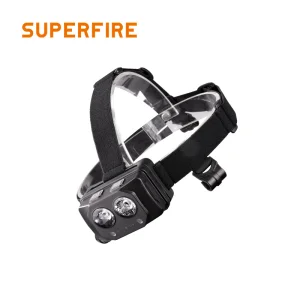
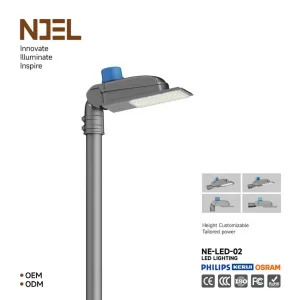
Browse our comprehensive range of explosion-proof linear battens, high-power searchlights, cleanroom panels, and mobile workstations designed for the Swiss market.
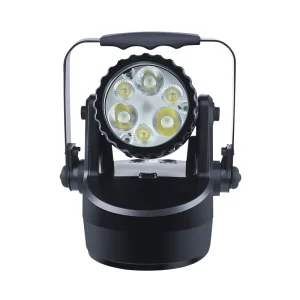
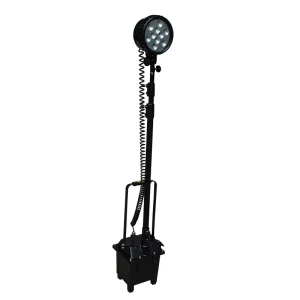
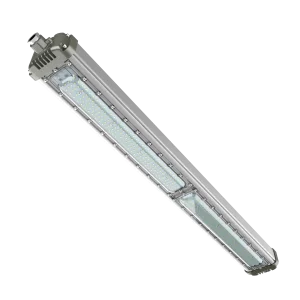
Navigate the complexities of electrical installation codes, zone classifications, and international certification standards for hazardous locations in Switzerland.
In Switzerland, hazardous location electrical equipment must comply with the Federal Act on Product Safety (PrSG) and the Ordinance on Equipment and Protective Systems Intended for Use in Potentially Explosive Atmospheres (VGSEV). Practically, this means holding valid European ATEX Directive (2014/34/EU) certifications or equivalent IECEx credentials. Certifications are typically issued by accredited bodies such as Eurofins Electrosuisse Product Testing AG (SEV) to verify alignment with Swiss national grid and safety guidelines.
Zone 1 classifications define environments where explosive atmospheres of gas, vapor, or mist are likely to occur during normal operation. This requires Category 2G equipment featuring flameproof (Ex 'd') or increased safety (Ex 'e') construction. Zone 2 represents areas where explosive atmospheres are unlikely to occur, or only exist for short periods. Category 3G equipment, such as non-sparking (Ex 'nA' or Ex 'ec') systems, is typically approved for Zone 2. Selecting a Zone 1 certified luminaire provides an extra margin of safety, making it suitable for both Zone 1 and Zone 2 areas.
Yes. Many NexLt models are designed to operate across a broad temperature range, typically from -40°C to +55°C. For alpine locations, cold-start performance is critical. We utilize high-quality low-temperature resistant silicone seals and specialized LED driver components. This configuration ensures consistent luminaire output and reliable startup behavior even in harsh alpine winter conditions.
The T-rating indicates the maximum surface temperature that a lighting fixture can reach under fault conditions. This temperature must remain below the auto-ignition threshold of any flammable gases or dusts present in the area. For example, a T4 rating limits surface temperatures to 135°C, while a T6 rating restricts them to 85°C. Selecting the correct T-rating is essential to prevent hot surfaces from acting as ignition sources.
Partnering with a specialized manufacturer like Jiangmen NexLt Light Co., Ltd. combines cost-effective production with high quality standards. Our integrated supply chain—covering aluminum casting, automated assembly, and in-house testing—minimizes intermediate markups. This approach allows us to deliver fully certified, high-durability hazardous area fixtures at a lower total cost of ownership than many local European suppliers.
Contact our sales and engineering team today. We can assist with lighting layout designs, energy calculations, and custom brackets to meet your facility's safety requirements.
Send Inquiry Now NexLt Light