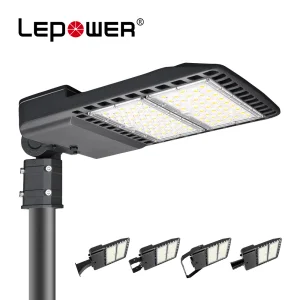
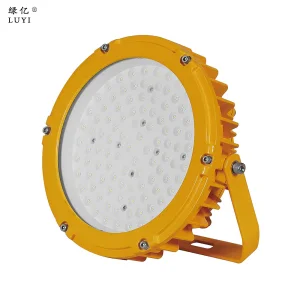
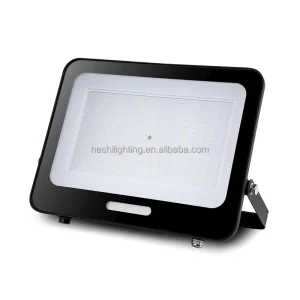
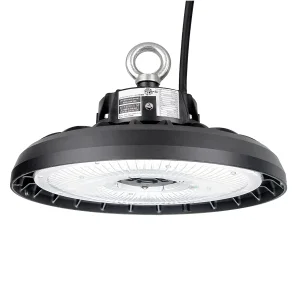
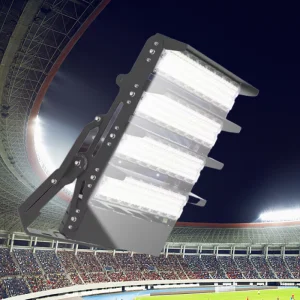
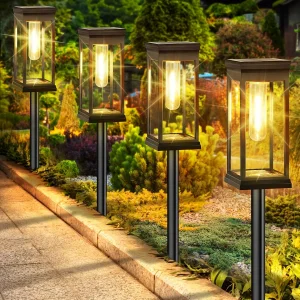
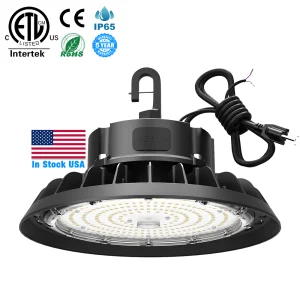
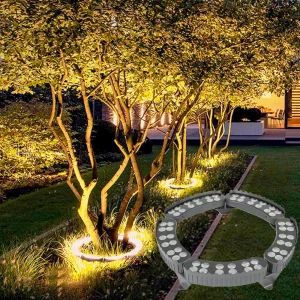
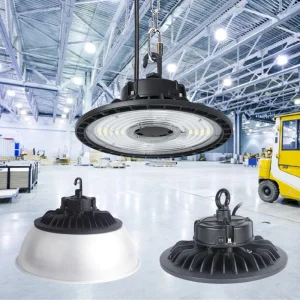
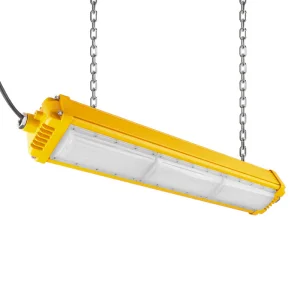
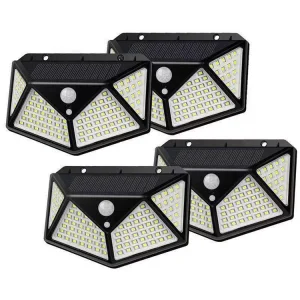
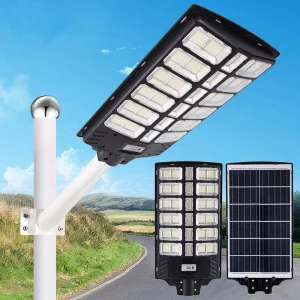
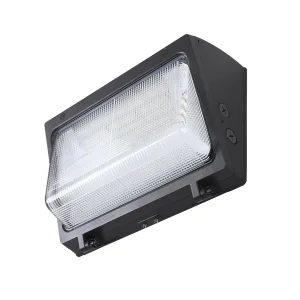
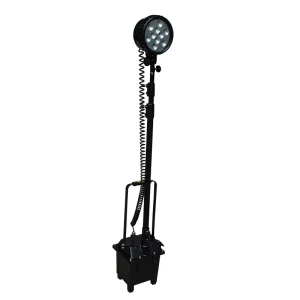
Explore our flagship industrial, solar, and customized high-efficacy lighting fixtures manufactured under stringent quality compliance guidelines.
Analyzing technical standards, efficiency dynamics, and market expectations in modern architectural illumination.
Modern industrial architectures depend extensively on high-efficiency lighting arrays, commonly classified as industrial roof lights, low-bay, and high-bay fixtures. As global logistics networks and manufacturing plants scale to handle 24/7 automation, the specifications for roof lights have shifted from mere lux output levels to comprehensive optical control, thermal reliability, and deep energy conservation.
According to industrial energy consumption metrics, commercial and logistics buildings allocate roughly 18% to 35% of their aggregate electricity consumption to overhead lighting systems. By transitioning to next-generation structural luminaires fitted with programmable high-efficiency LED drivers, enterprises can systematically suppress their operational overhead while ensuring compliance with stringent labor safety standards worldwide.
"The core value proposition of industrial LED roof lighting lies in the intersection of structural thermal kinetics and solid-state physics. Sourcing teams must analyze raw chip layouts, heat-dissipation profiles, and luminous decay charts before committing to large-scale procurement."
China is the global core for solid-state lighting production, representing over 70% of the world's commercial LED manufacturing capacity. Key industrial clusters, notably in Guangdong province, have achieved integrated vertical structures. From domestic chip growth and encapsulation in advanced facilities to automated driver packaging and CNC aluminum extrusion, the Chinese ecosystem reduces overhead and maximizes technological iteration speed.
This integration is not merely about lower production costs; it represents a comprehensive engineering agility. When custom optical profiles or specialized ingress protections are required, Chinese engineering groups can simulate, prototype, test, and ship tailored products in fractions of the lead times required by regional operations elsewhere.
Empowering global infrastructure through innovative manufacturing, professional technical teams, and certified environmental practices.
Jiangmen NexLt Light Co., Ltd. is a professional manufacturer, processor, and supplier specializing in solar energy projector lamps, street lamps, LED products, lighting fixtures, lamp accessories, and a wide range of lighting solutions. In addition, we provide comprehensive services including product design, shell parts manufacturing, installation, and maintenance.
NexLt Light Co., Ltd. is equipped with advanced production equipment and a team of highly skilled technicians. We prioritize precision and innovation, continuously enhancing product quality to meet the evolving needs of our customers. Our commitment is to provide reliable, efficient, and high-quality lighting solutions, ensuring customer satisfaction and long-term partnerships. Our dedication to excellence, integrity, and professional strength has earned recognition within the industry. We warmly welcome partners, clients, and friends from all walks of life to visit, offer guidance, and engage in business negotiations.
Our team consists of experienced engineers and lighting specialists with over 12 years of research and development experience in the lighting industry. We combine deep industry knowledge with innovative design capabilities to deliver high-performance products.
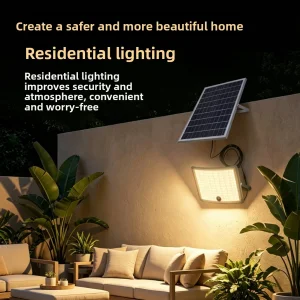
We offer a wide range of lighting solutions, including solar-powered projectors, LED street lamps, commercial and residential lighting, and accessories. Our products are designed to meet various market requirements and provide energy-efficient, durable, and environmentally friendly solutions.
We provide tailored solutions to meet the specific needs of our clients. From product design to production, our team works closely with customers to ensure every project meets technical specifications, aesthetic preferences, and functional requirements.
Quality is the cornerstone of NexLt Light Co., Ltd. We adhere to strict quality control processes at every stage of production. Combined with our dedicated after-sales support, we guarantee products that are reliable, safe, and long-lasting, along with prompt, professional customer service.
We actively pursue environmentally responsible practices, including energy-efficient designs, recyclable materials, and reduced carbon emissions in our production processes. Our goal is to contribute to a greener and smarter lighting future.
A photographic walk-through showing raw material inspection, precise assembly, computerized gluing, EL test validation, and thermal aging stages.
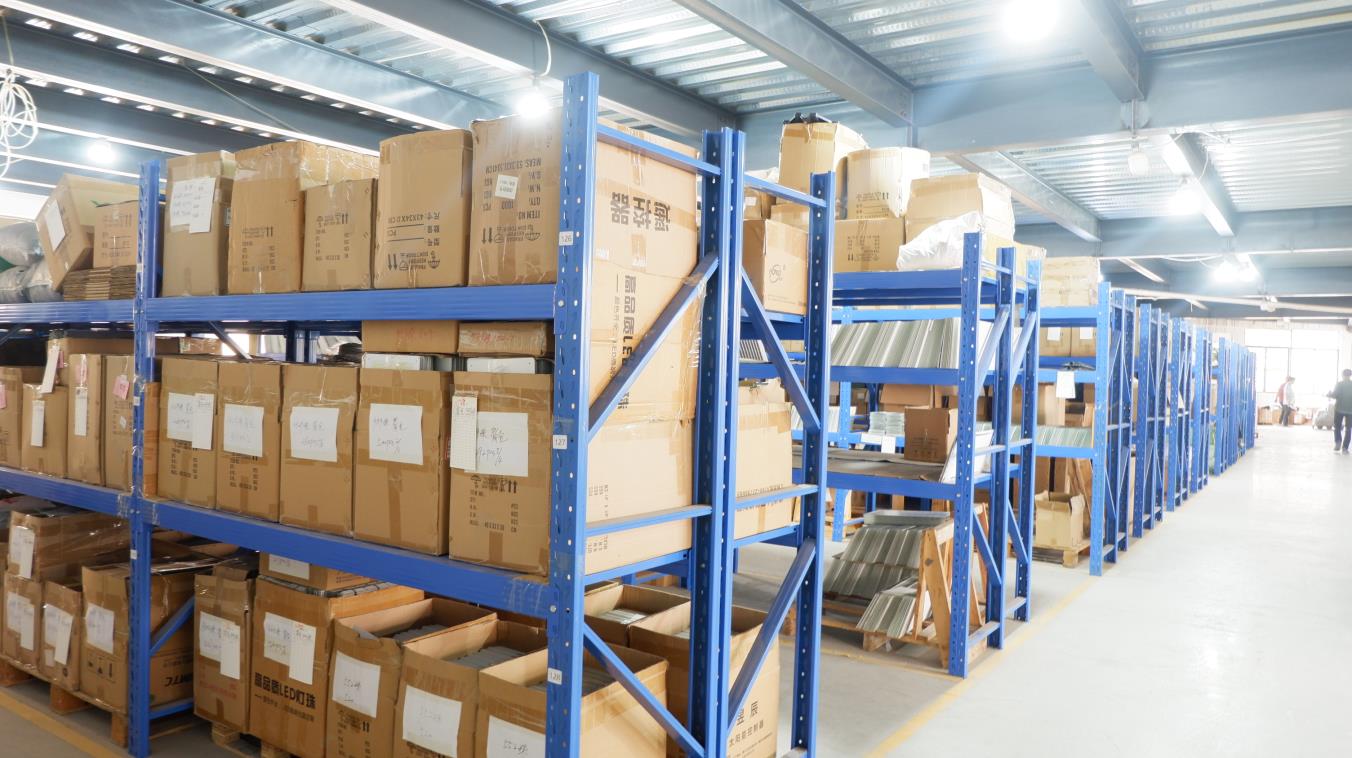
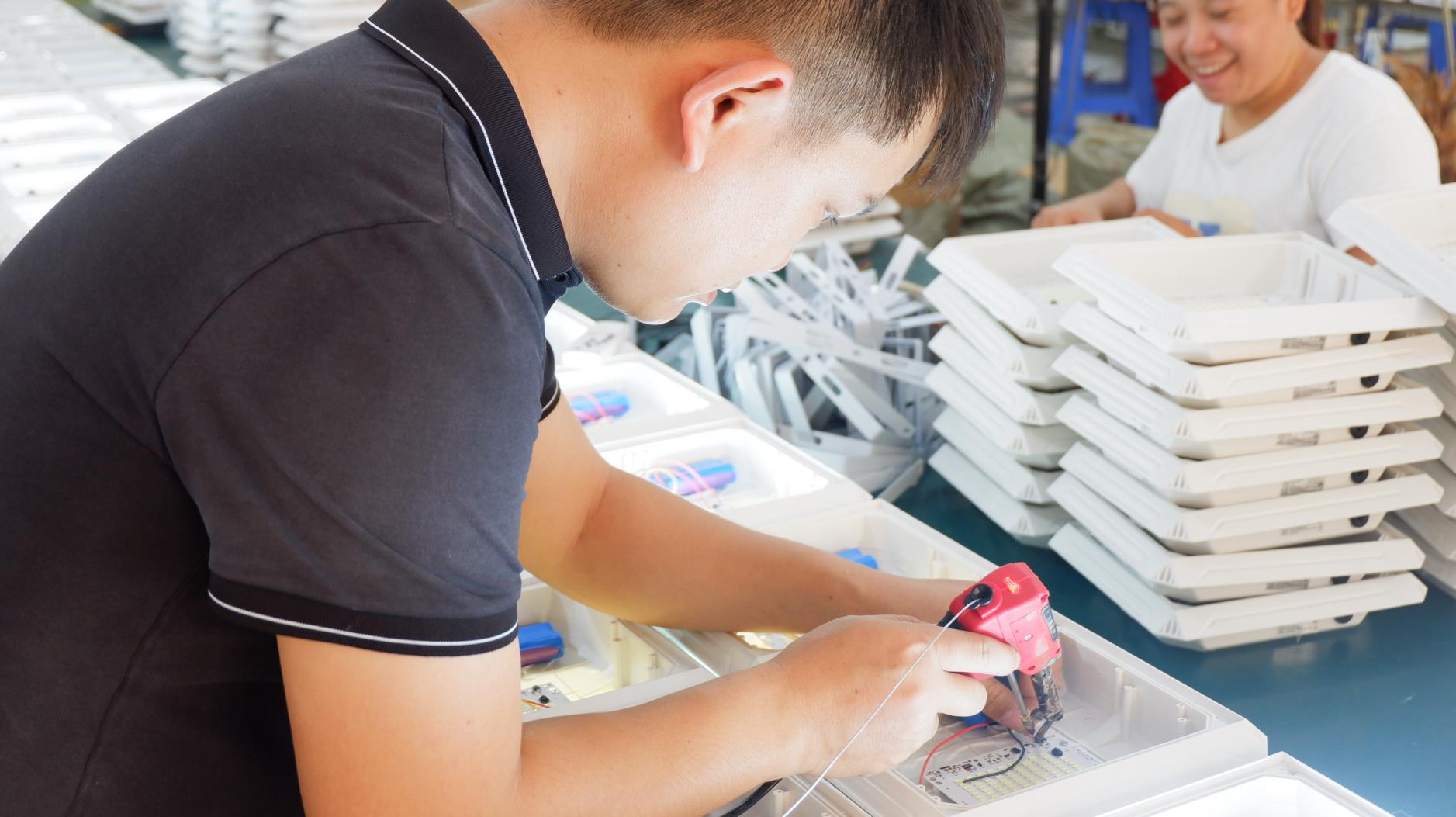
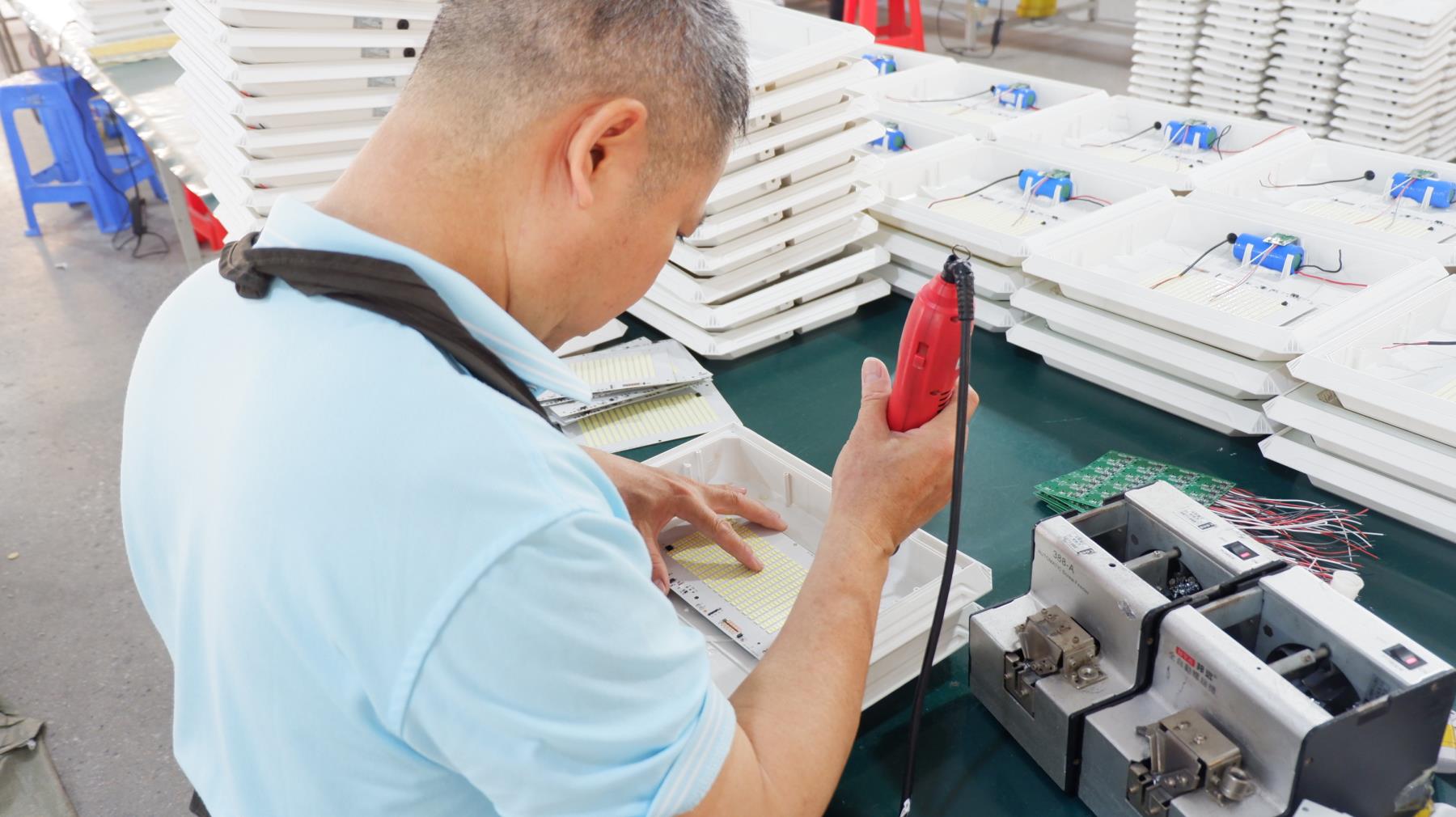
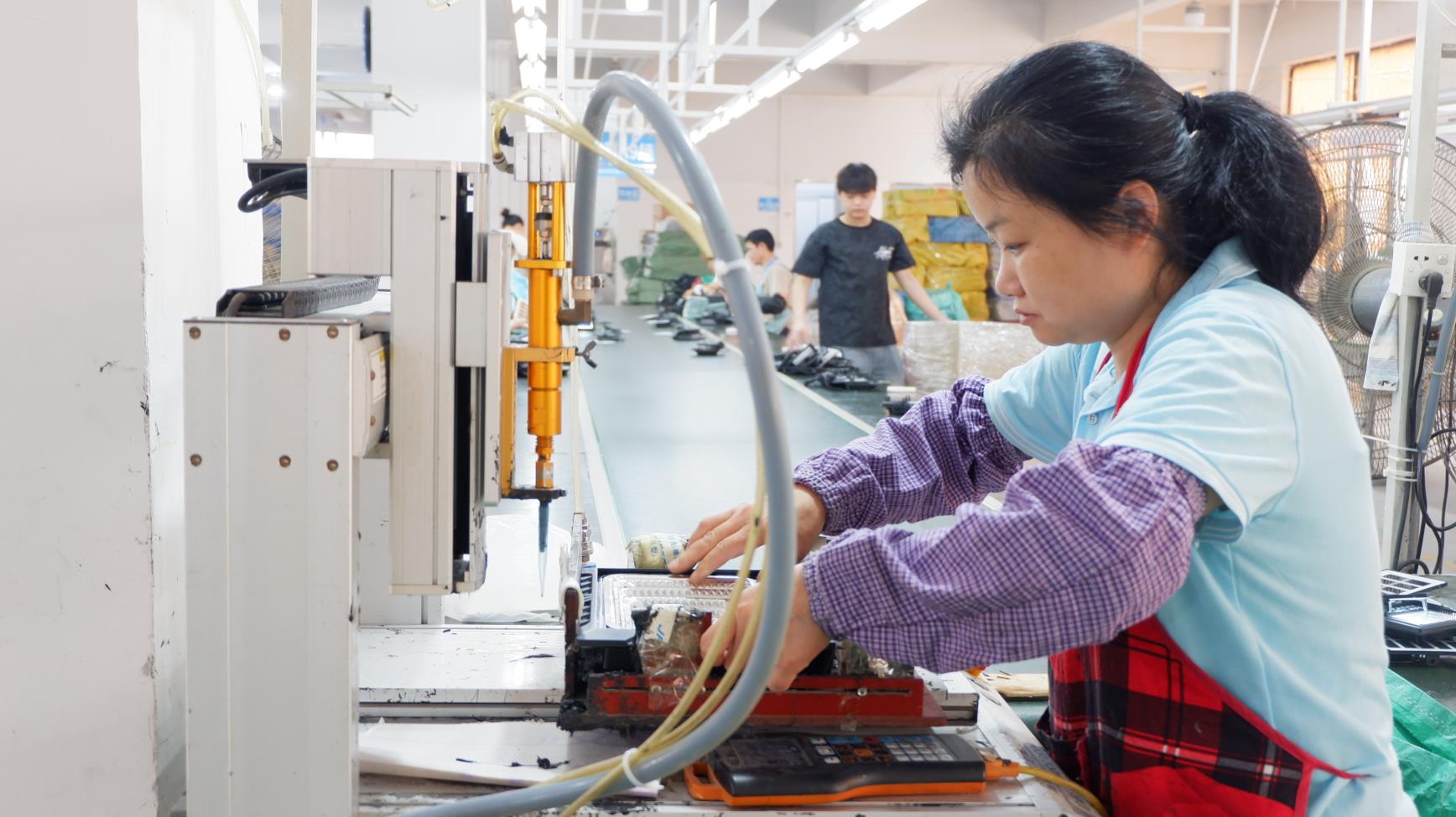
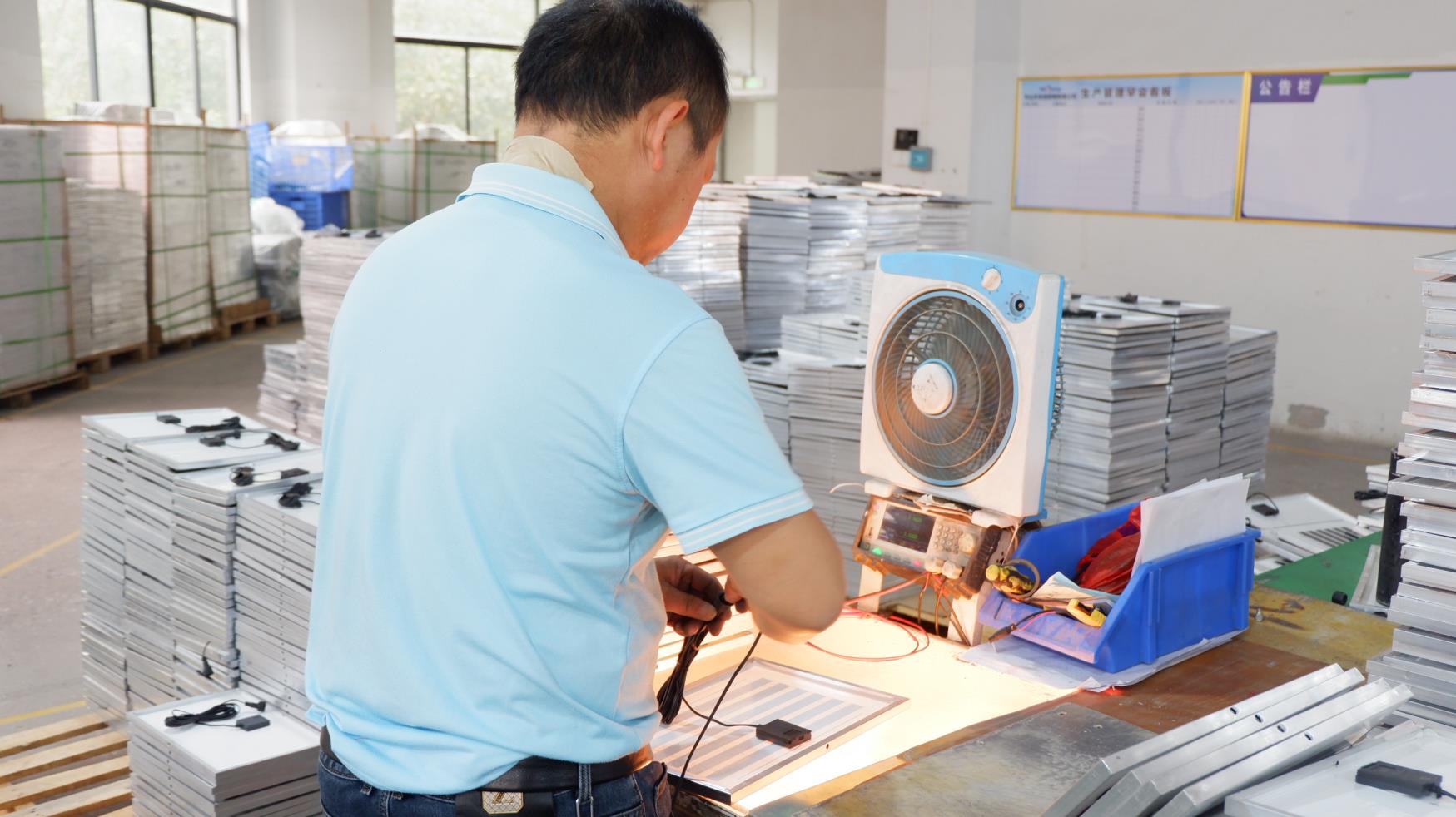
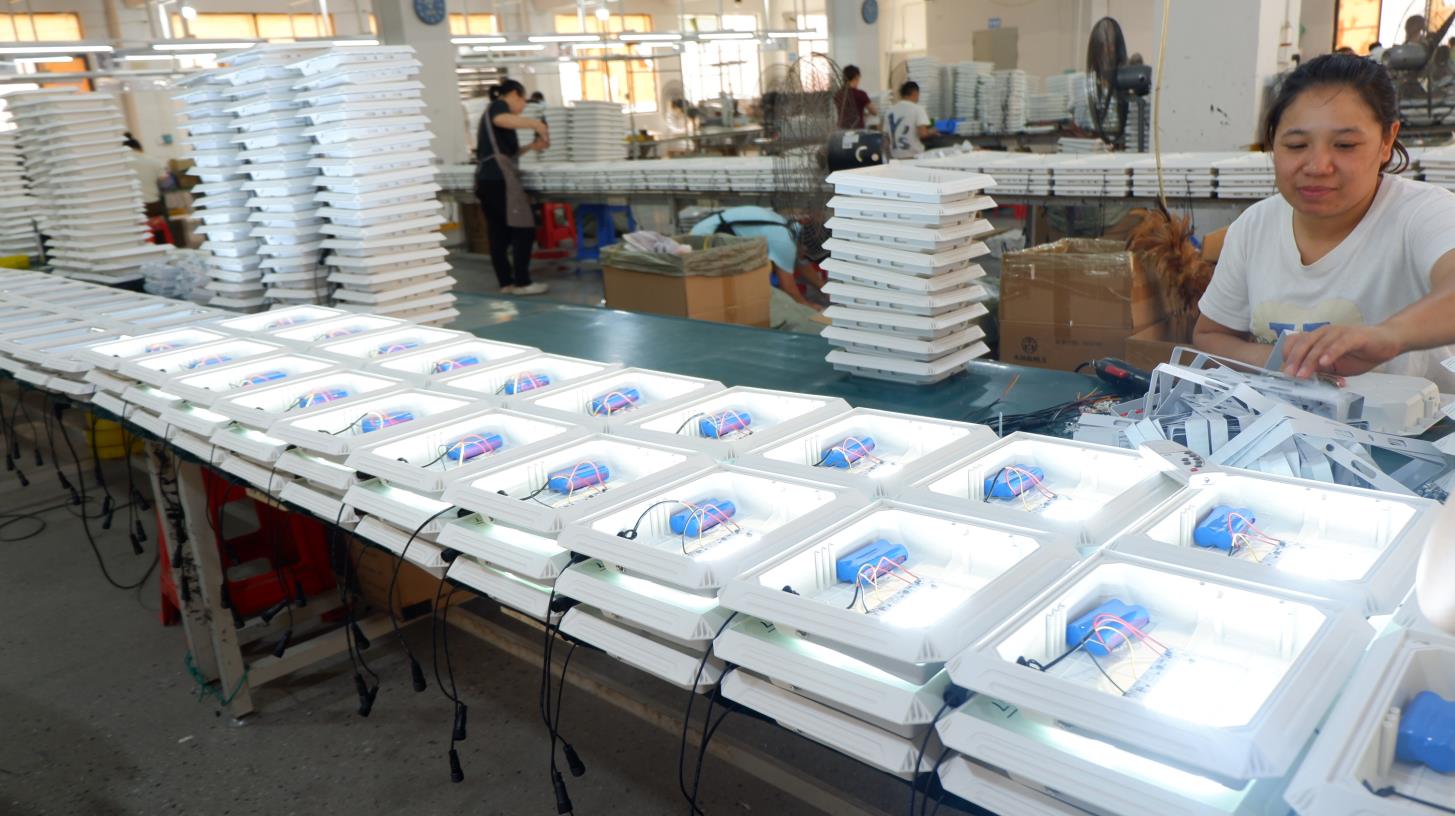
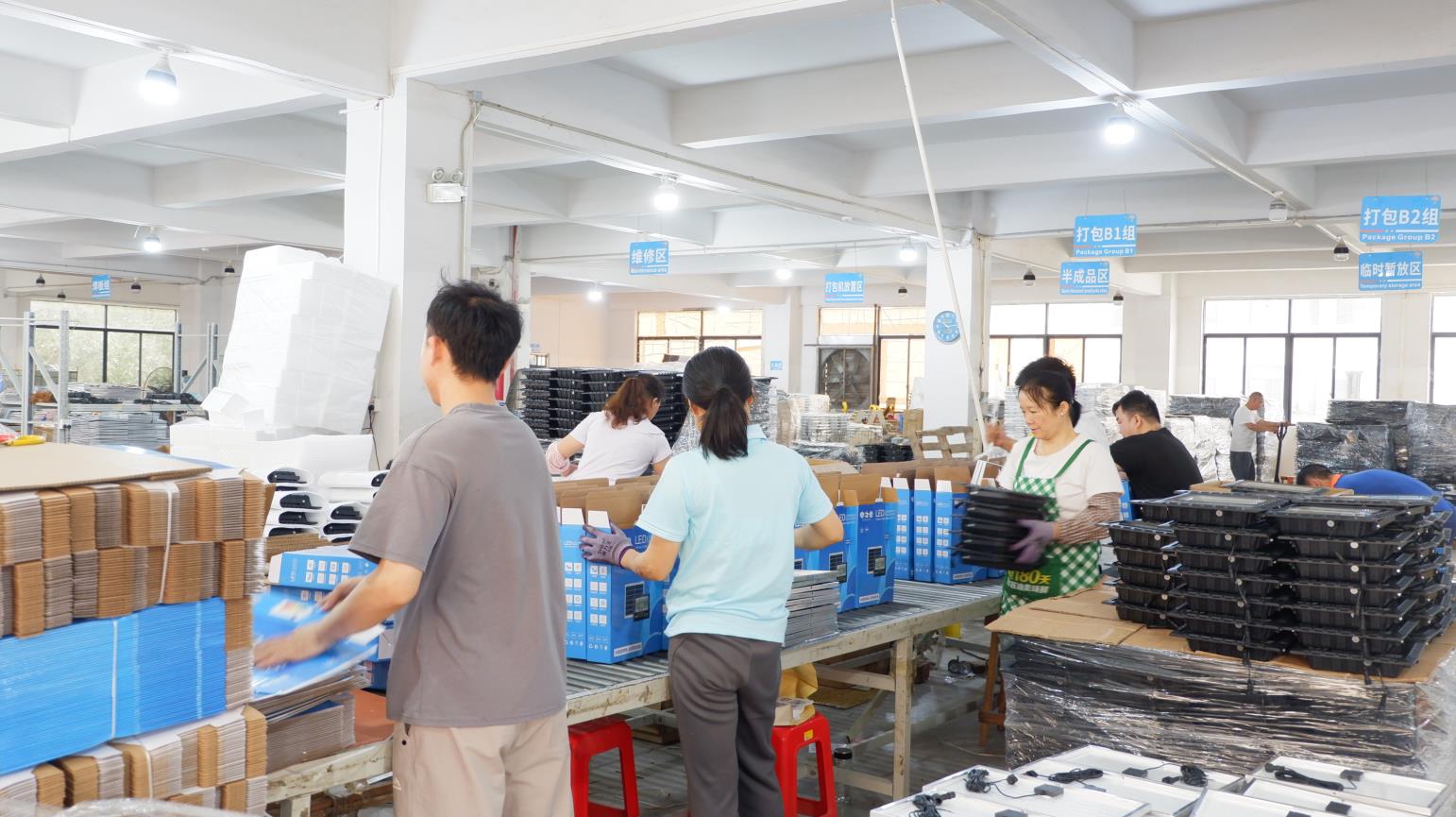
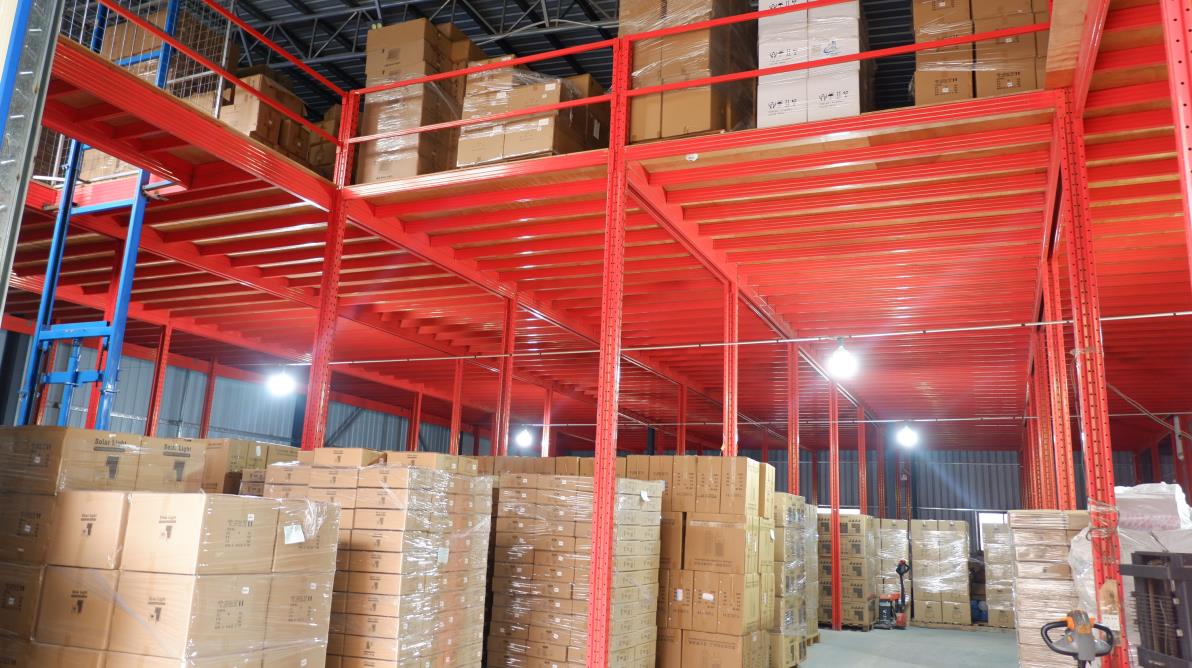
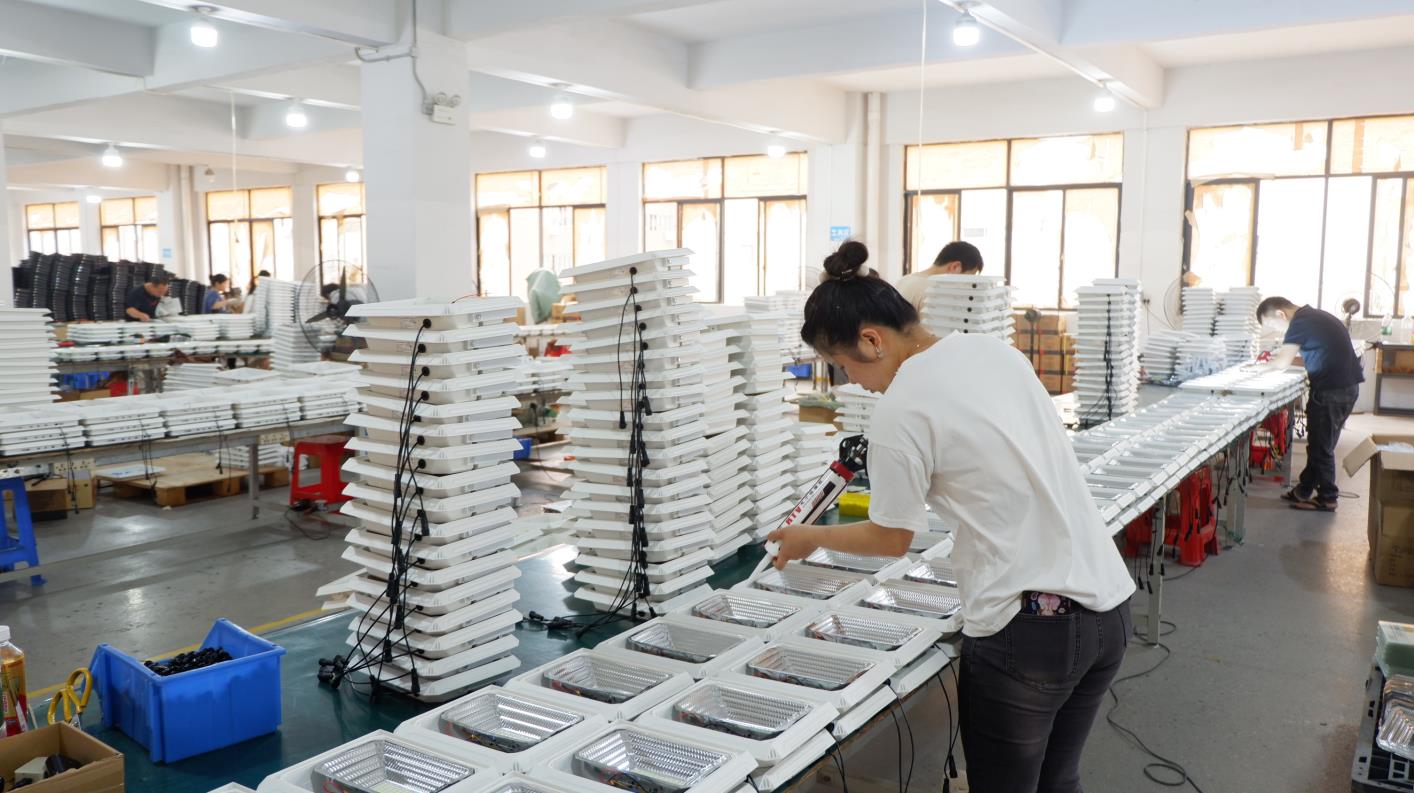
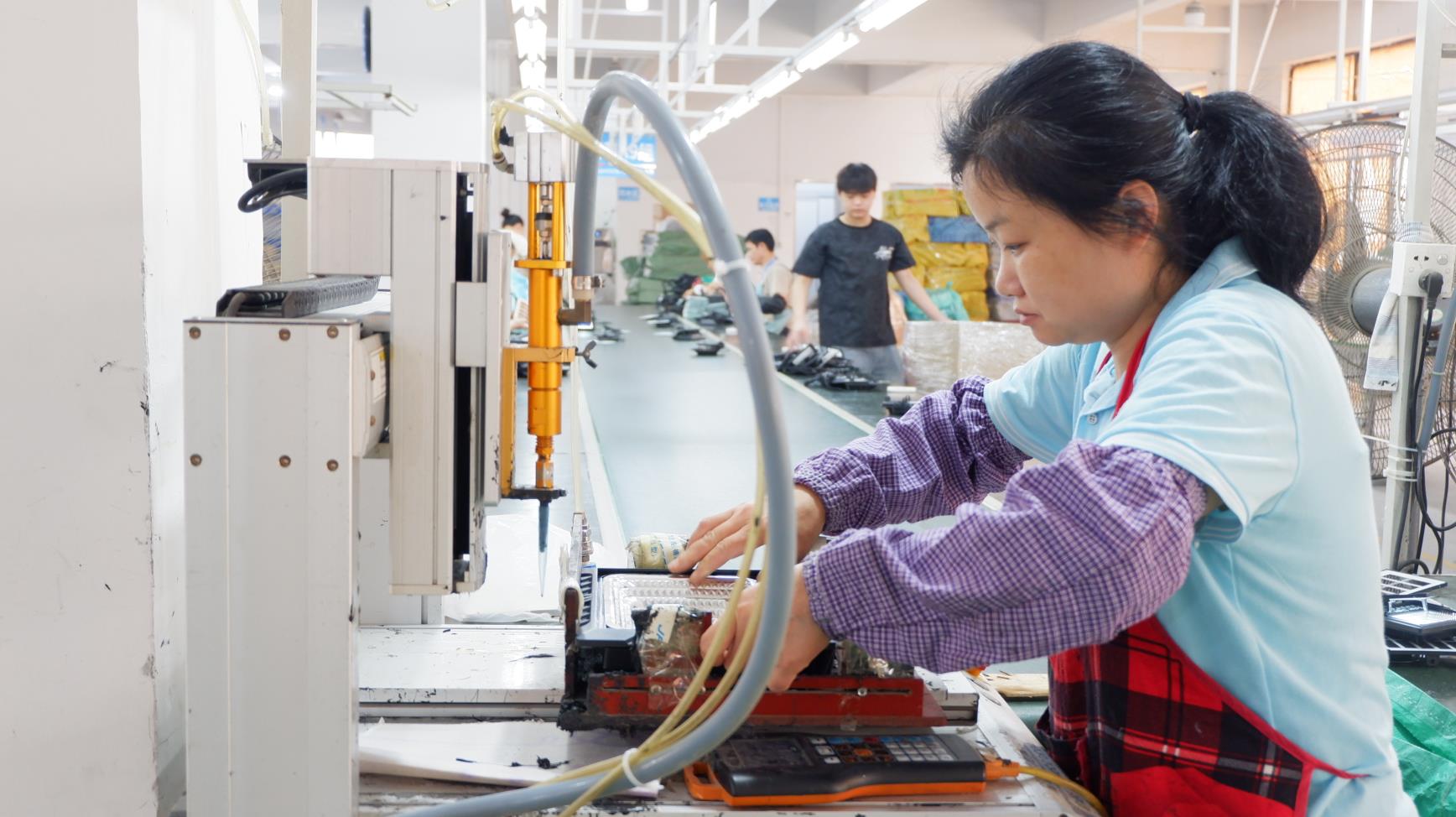
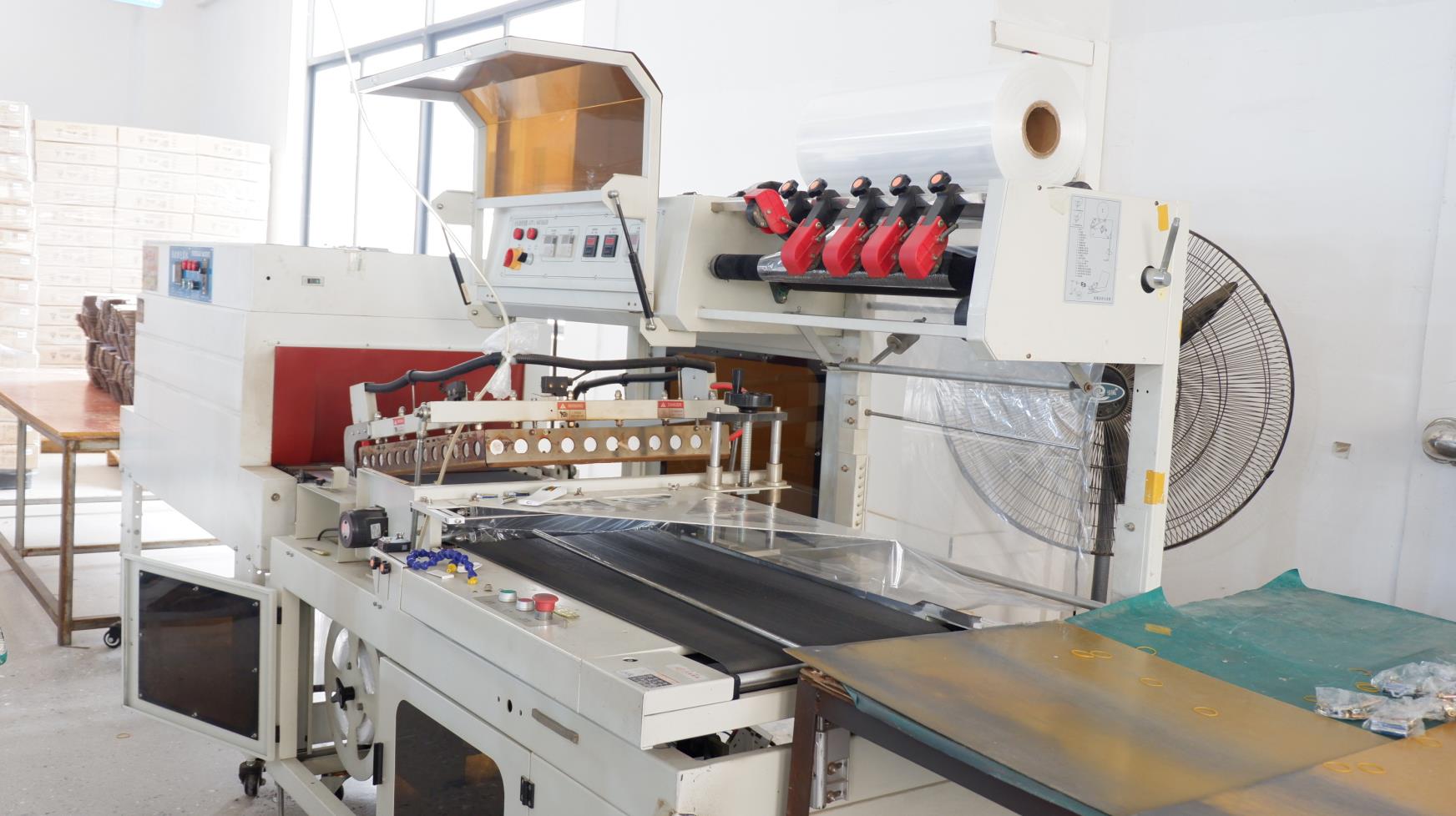
Sourcing high-bay LED installations requires structured oversight. Buyers must prioritize metrics beyond visual aesthetics. When assessing manufacturers, technical teams must perform extensive analysis on these factors:
The lifetime of solid-state chips relates directly to junction temperatures during continuous operation. Advanced fixtures integrate copper-alloy core PCBs (MCPCBs) along with pure die-cast aluminum heat sinks. This design ensures that high-power drivers dissipate heat efficiently, preventing lumen depreciation and chromaticity shift over years of operation.
Industrial settings expose roof installations to fine particulates, chemical vapors, and moisture. Facilities like chemical refineries or food processing yards demand ratings between IP66 and IP69K, along with explosion-proof certifications (such as ATEX, IECEx, or UL844). These certify that the internal electrical components cannot ignite external gases or materials.
Large-scale facilities demand strict control over electric power efficiency. High-quality fixtures incorporate isolated constant-current drivers maintaining a Power Factor (PF) of >0.95 and Total Harmonic Distortion (THD) of <15%. This reduces line currents and ensures compatibility with power grids, eliminating the risk of inductive load faults.
Different commercial architectures present distinct challenges for lighting designers. Choosing the correct light distribution profile is key to maximizing efficiency:
Expert answers addressing the technical, environmental, and financial considerations of industrial LED procurement.
A1: Quality explosion-proof fixtures use flameproof or dust-ignition-proof aluminum alloy enclosures, certified under international standards (ATEX/IECEx/UL). They feature high-strength tempered glass lenses, vibration-resistant mounting brackets, and double-chamber wiring designs to isolate terminal connections from the active driver cavity. This ensures any internal arc or flame cannot ignite the surrounding atmosphere.
A2: Higher luminous efficacy (lm/W) means the fixture delivers more light output for less power. For example, upgrading from 120 lm/W to 170 lm/W yields a ~30% reduction in energy usage at the same light levels. For warehouses operating 24/7, this significantly accelerates amortization and increases ROI, even at slightly higher initial purchasing prices.
A3: Adjustable CCT (e.g., 3000K/4000K/5000K) and adjustable power settings let distributors and contractors adjust fixtures on-site to match specific environment requirements. This versatility allows distributors to maintain lower inventory levels by stocking a single model that serves multiple customer specifications.
A4: Our 5-year warranty is supported by our component selection, including reliable drivers (e.g., Inventronics/Sosen) and robust thermal structures. By maintaining low internal operating temperatures, we keep the degradation of the LED elements well below L70 limits (70% lumen retention) across the warranty period, providing long-term reliability for buyers.
A5: Chinese manufacturers benefit from local raw material sources, integrated supply chains, and specialized engineering clusters. This ecosystem minimizes transportation costs for sub-assemblies (such as aluminum castings, lenses, and circuit boards) and streamlines customized design steps like custom mounting brackets or specific wire harnesses.
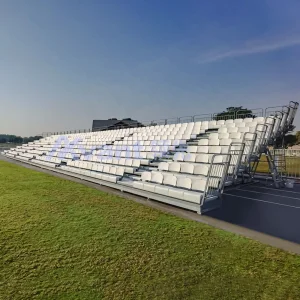
Explore our wider range of high-efficiency stadium lights, solar systems, hazardous area equipment, and retractable seating.
 NexLt Light