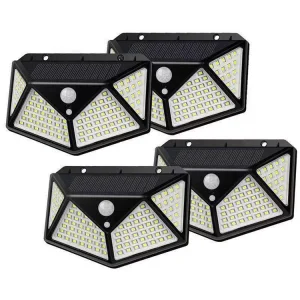
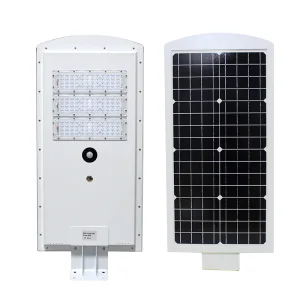
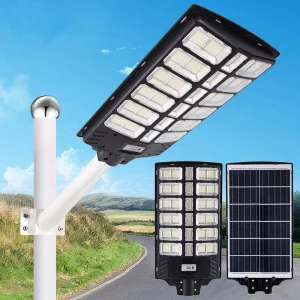
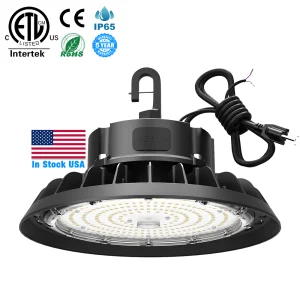
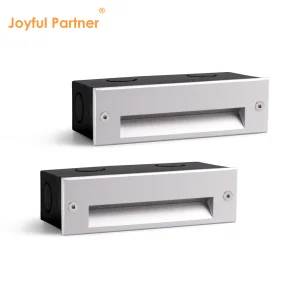
Explore our flagship lineup of industrial grade work lights, high bays, and autonomous solar streetlights engineered for demanding outdoor, warehouse, and emergency environments.
Modern industrial sites demand lighting solutions that transcend basic visibility. The global shift from conventional metal halide and high-pressure sodium fixtures to solid-state LED systems is driven by economic imperative and strict workplace safety guidelines. Industrial workplaces, varying from hazardous offshore drilling platforms to expansive logistics hubs, rely on task-specific lighting to sustain workflow continuity and prevent occupational mishaps.
Under Google's Search Quality Rater Guidelines, reliable information gain must analyze how industrial LEDs provide exceptional durability. For instance, temporary construction zones require mobile work lights featuring robust vibration-resistant brackets and high impact ratings (such as IK08 to IK10) to withstand operational impacts. Concurrently, localized heat dissipation holds crucial engineering significance. As LED chips emit considerable localized heat, poor thermal pathway design will drastically decrease lifespan. By incorporating precision die-cast aluminum alloys with thermal conductivities exceeding 200 W/m·K, modern manufacturers ensure that junctions remain well below critical limits, guaranteeing over 50,000 hours of operations.
Furthermore, color rendering index (CRI) and spectral distribution play vital roles in modern QA setups. High-performance SMD arrays facilitate color rendering metrics (Ra > 80) that permit workers to perform precise wiring, paint inspections, and electrical diagnostics safely. These improvements mitigate visual fatigue, directly enhancing production efficiencies and driving down operational error rates.
Procurement agents at major industrial firms must balance upfront capital expenditure (CAPEX) with ongoing operational costs (OPEX) when sourcing lighting solutions. Sourcing teams look beyond price points, prioritizing products with robust certifications and warranties. A standard 5-year warranty signals high confidence in a product's engineering design, especially when coupled with UL, ETL, CE, and RoHS certifications.
Global trade mandates certifications like UL and ETL for North America, CE and RoHS for Europe, and SAA for Australia. These credentials ensure the products withstand voltage fluctuations, electrical surges, and operate safely under rugged conditions.
Enterprise environments demand high ingress protection. While indoor installations might suffice with IP54, outdoor work lights and floodlights require IP65 or IP66 ratings to resist heavy rainfall, dust infiltration, and high-pressure washdowns.
Buyers optimize return on investment (ROI) by targeting high-efficacy arrays (e.g., 150 lm/W). This metric ensures lower power draws for equivalent lumen outputs, drastically reducing energy usage across large-scale facilities.
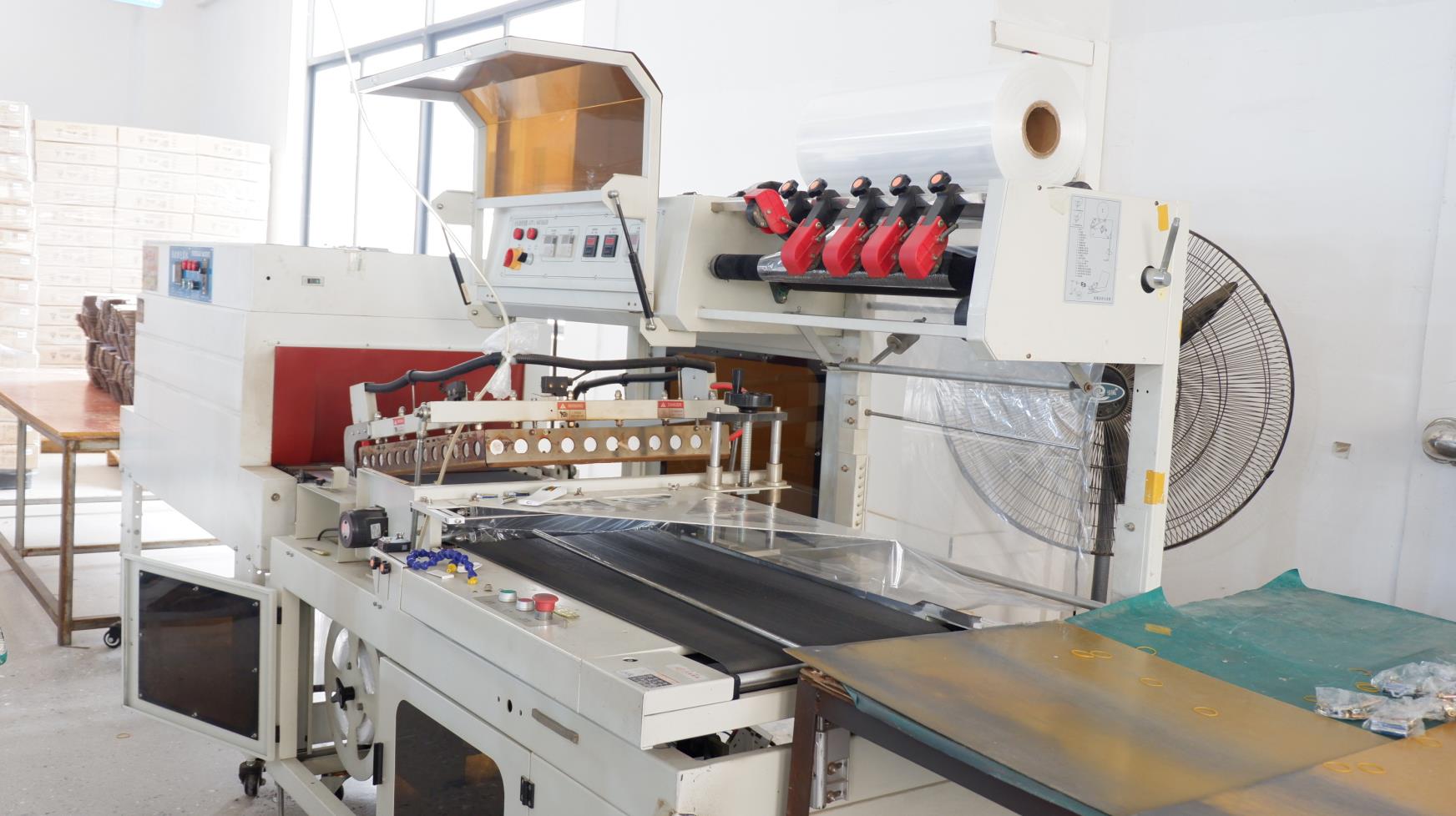
The manufacturing landscape for LED work lights has shifted toward automated digital workflows, often called Industry 4.0. In industrial centers like Jiangmen, factories have integrated automated component insertion, CNC casing machining, and robotic testing arrays to minimize human-error risk and enhance manufacturing throughput.
A major indicator of supply chain resilience is the capability to control raw materials and custom manufacturing processes in-house. For instance, Jiangmen NexLt Light Co., Ltd. handles its own product design and shell parts manufacturing. This vertical integration allows the factory to maintain strict control over structural tolerances and thermal pathway configurations, facilitating rapid updates based on buyer feedback. Automated gluing machines guarantee clean seal distributions, which are critical for water-resistant and dust-tight performance. Furthermore, automated aging and inspection systems verify that every driver and LED module runs under maximum thermal loads for 24-48 hours before shipment, dramatically reducing defect rates at destination ports.
Jiangmen NexLt Light Co., Ltd. is a professional manufacturer, processor, and supplier specializing in solar energy projector lamps, street lamps, LED products, lighting fixtures, lamp accessories, and a wide range of lighting solutions. In addition, we provide comprehensive services including product design, shell parts manufacturing, installation, and maintenance.
NexLt Light Co., Ltd. is equipped with advanced production equipment and a team of highly skilled technicians. We prioritize precision and innovation, continuously enhancing product quality to meet the evolving needs of our customers. Our commitment is to provide reliable, efficient, and high-quality lighting solutions, ensuring customer satisfaction and long-term partnerships.
Our dedication to excellence, integrity, and professional strength has earned recognition within the industry. We warmly welcome partners, clients, and friends from all walks of life to visit, offer guidance, and engage in business negotiations.
Our team consists of experienced engineers and lighting specialists with over 12 years of research and development experience in the lighting industry. We combine deep industry knowledge with innovative design capabilities to deliver high-performance products.
We offer a wide range of lighting solutions, including solar-powered projectors, LED street lamps, commercial and residential lighting, and accessories. Our products are designed to meet various market requirements and provide energy-efficient, durable, and environmentally friendly solutions.
We provide tailored solutions to meet the specific needs of our clients. From product design to production, our team works closely with customers to ensure every project meets technical specifications, aesthetic preferences, and functional requirements.
Quality is the cornerstone of NexLt Light Co., Ltd. We adhere to strict quality control processes at every stage of production. Combined with our dedicated after-sales support, we guarantee products that are reliable, safe, and long-lasting, along with prompt, professional customer service.
We actively pursue environmentally responsible practices, including energy-efficient designs, recyclable materials, and reduced carbon emissions in our production processes. Our goal is to contribute to a greener and smarter lighting future.
To maintain consistent standard alignment, NexLt follows a strict quality assurance workflow. Each production stage utilizes specialized machinery and manual checks to ensure optimal output.
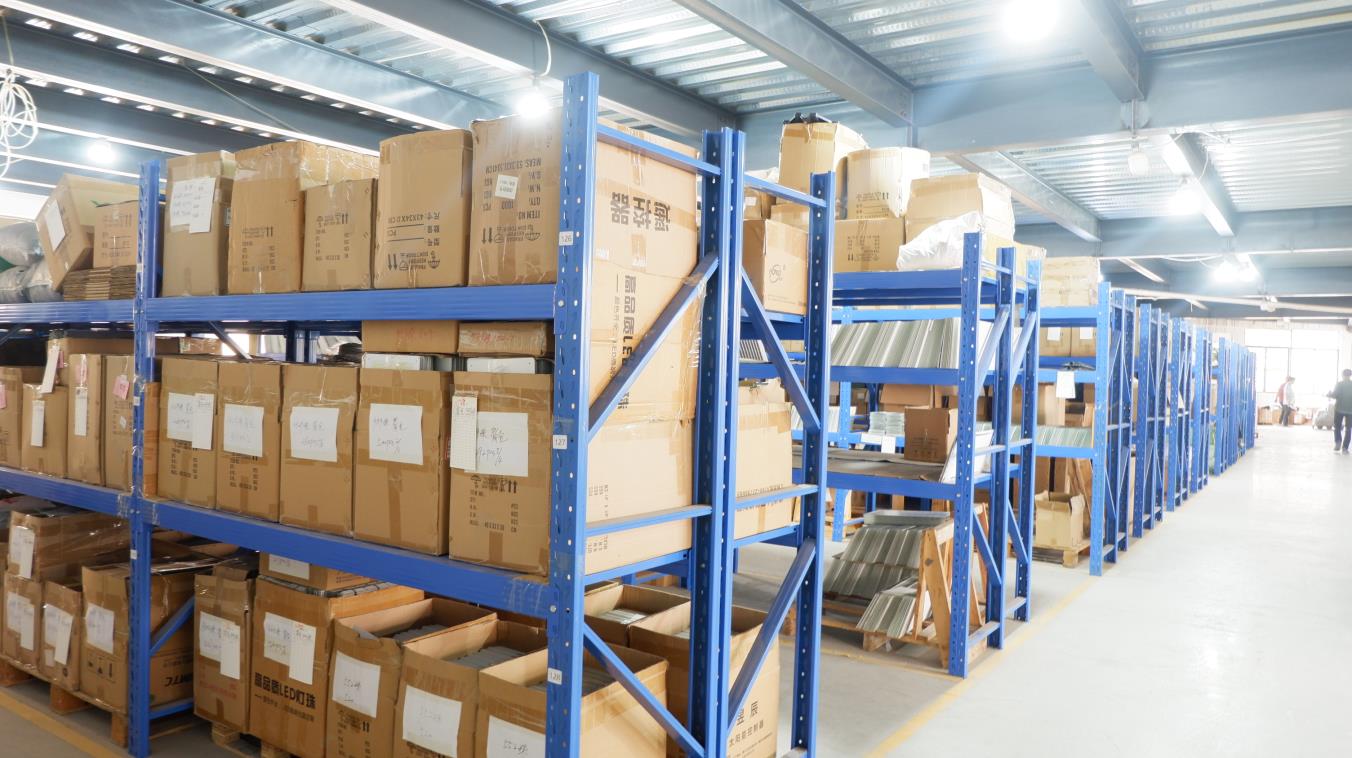
Incoming metals, drivers, and LED chips are inspected to verify compliance with thermal and electrical ratings.

Precise SMT and manual welding ensure secure electrical joints that withstand prolonged vibrations on-site.
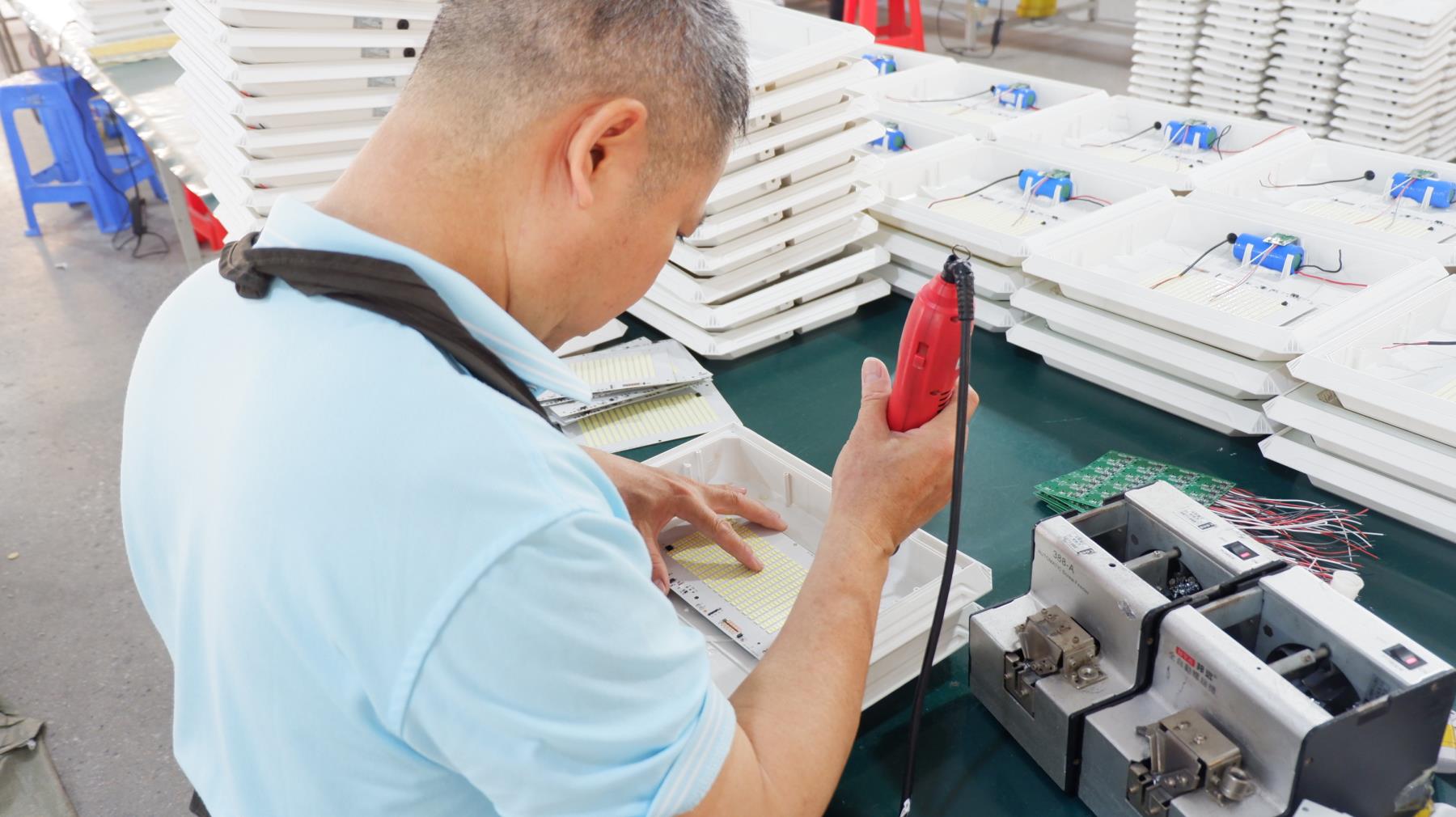
Structural components, drivers, and thermal elements are carefully integrated by our assembly team.

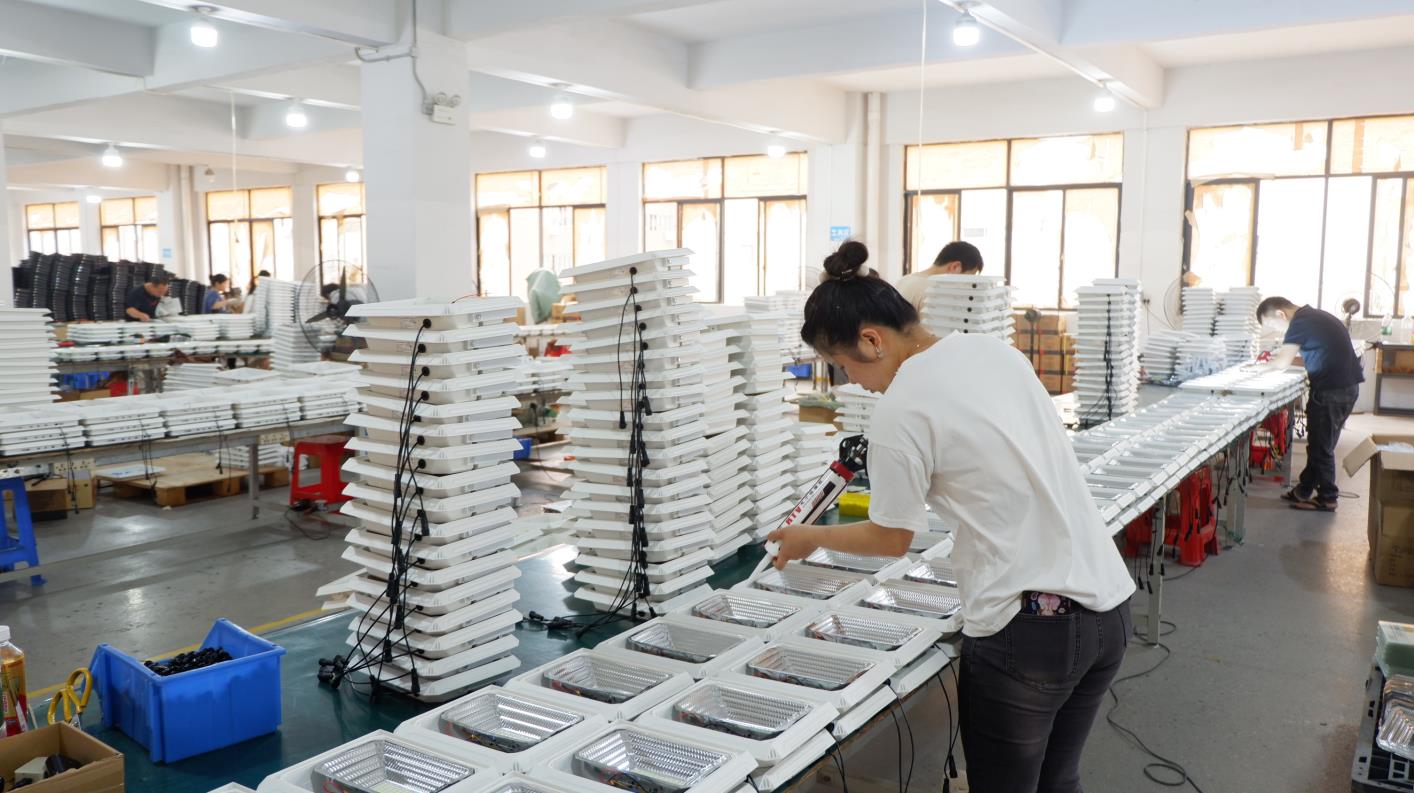
Waterproof sealing compounds are applied to guarantee the ingress protection (IP) rating of the enclosures.
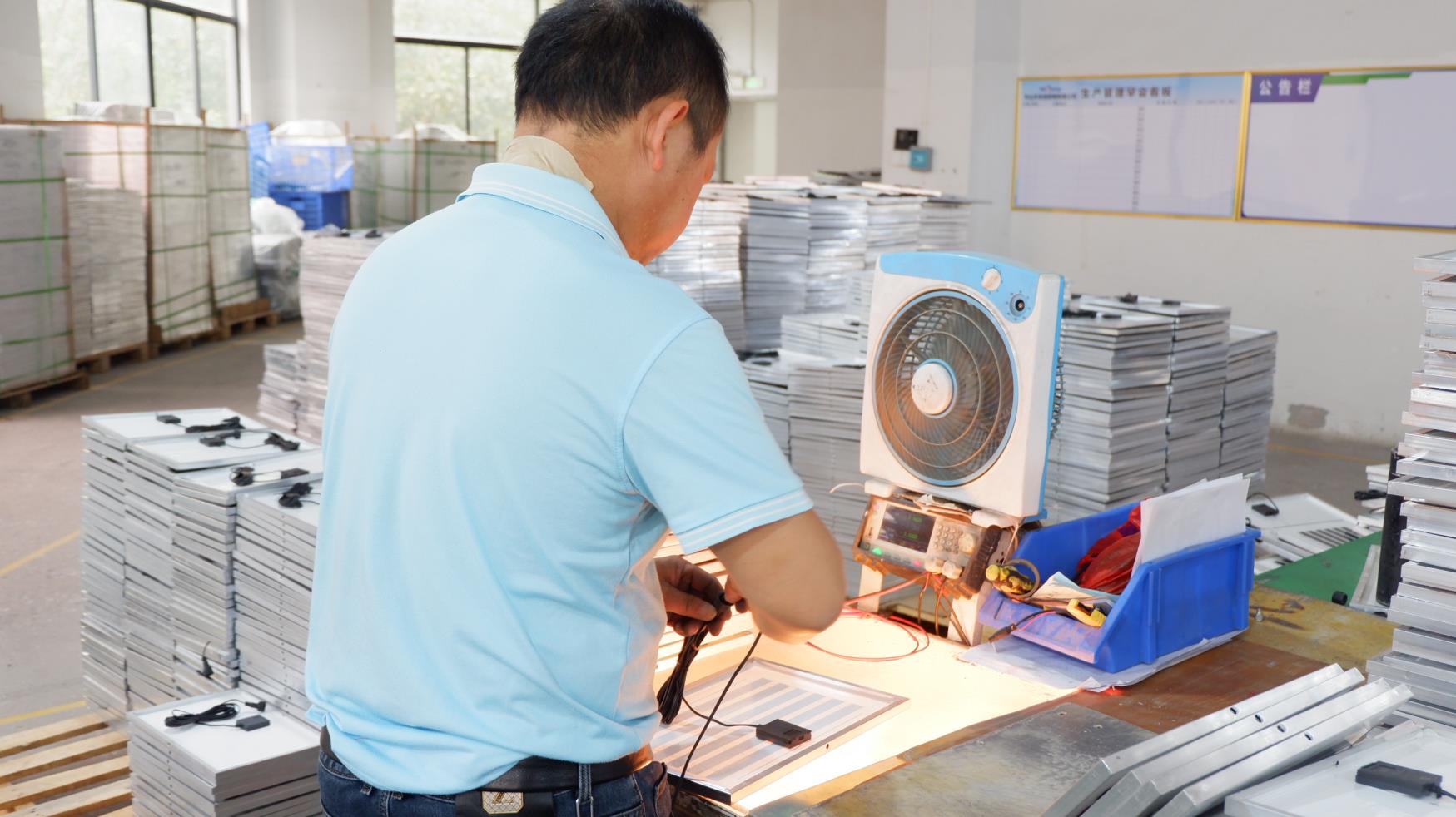
Electroluminescence testing screens for micro-cracks and luminescence consistency across the LED arrays.
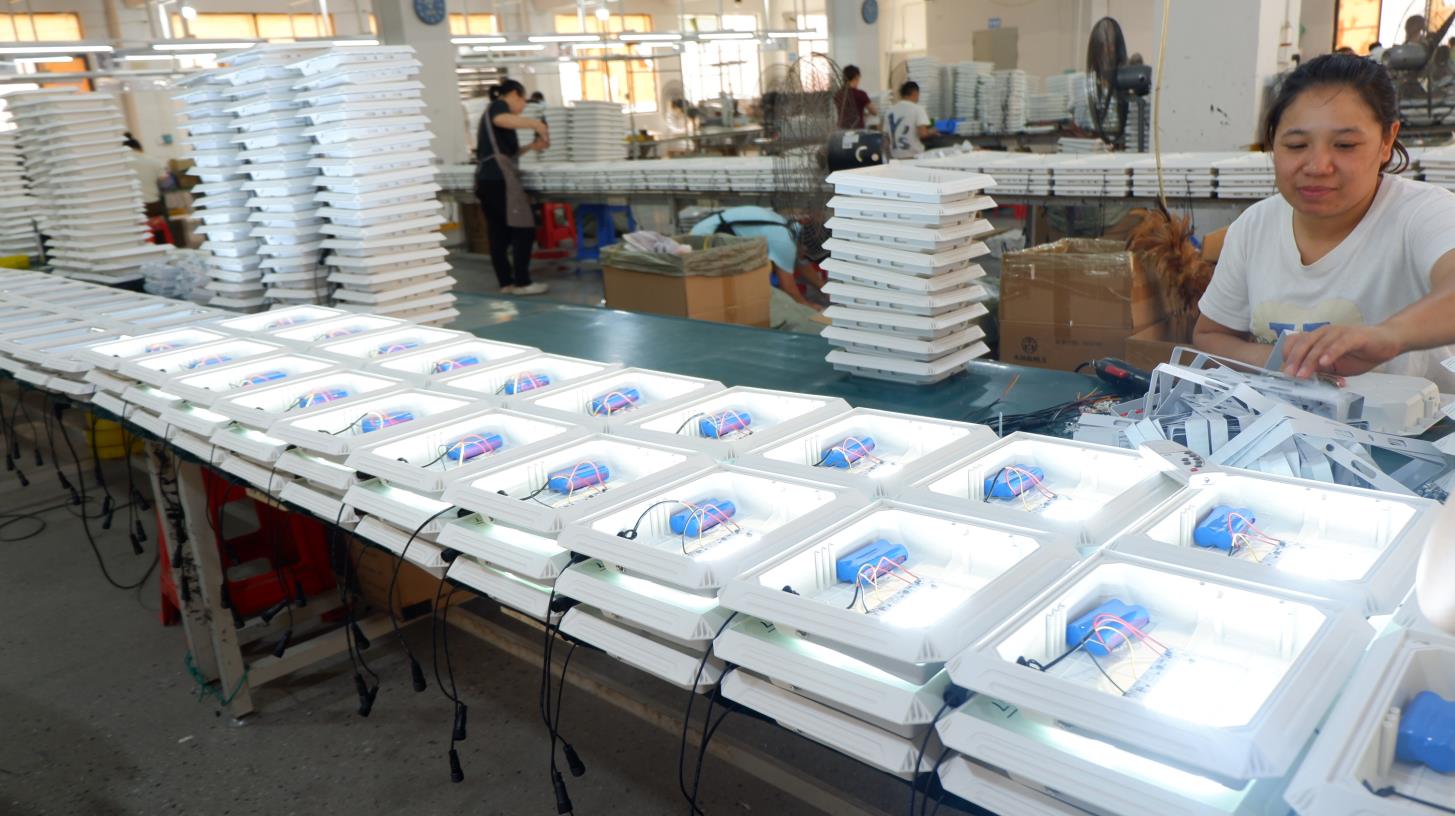
Units are continuously powered for hours to eliminate early-stage component failures before final approval.
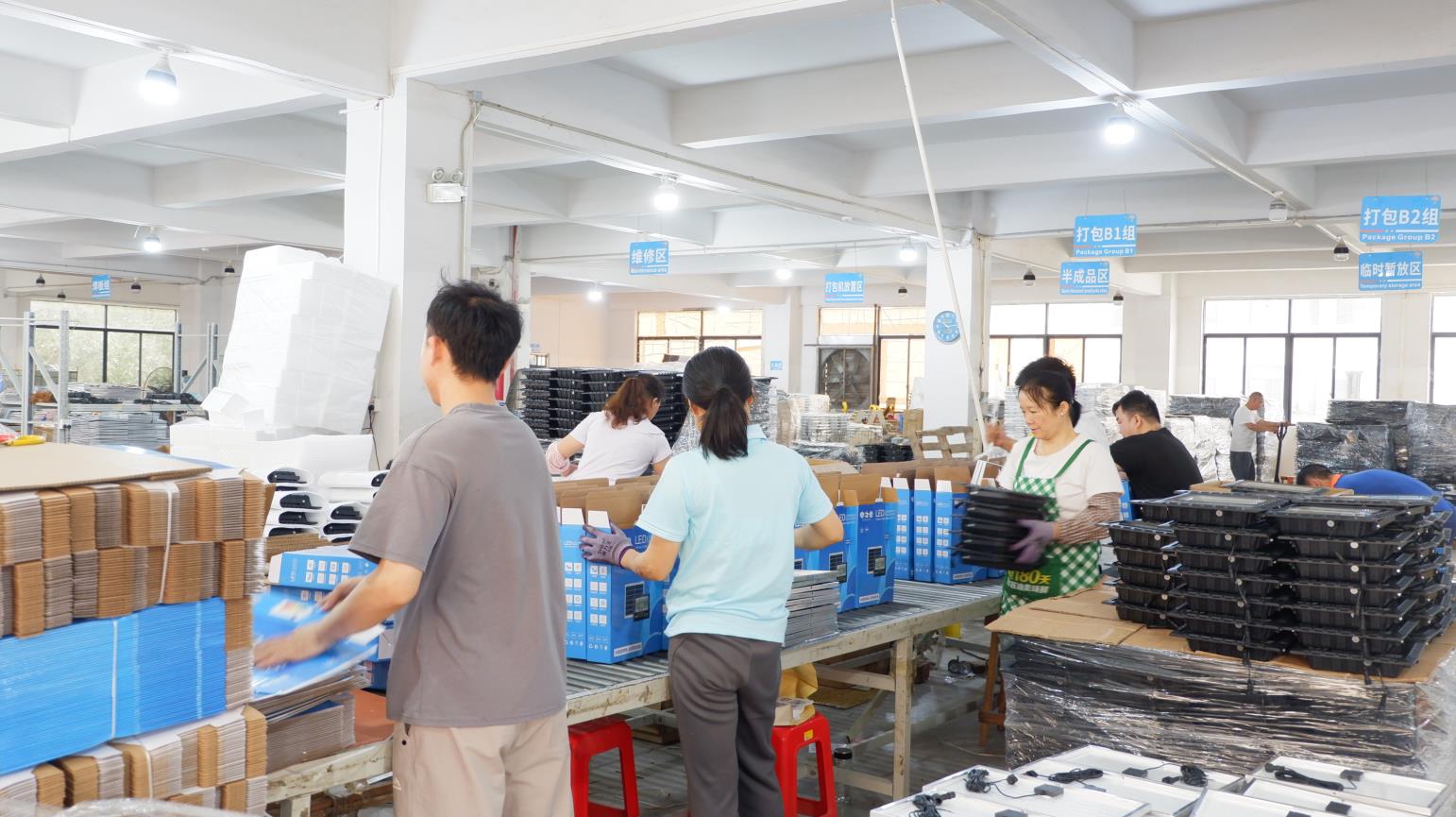
Finished goods are securely packaged with protective material to withstand international logistics stress.
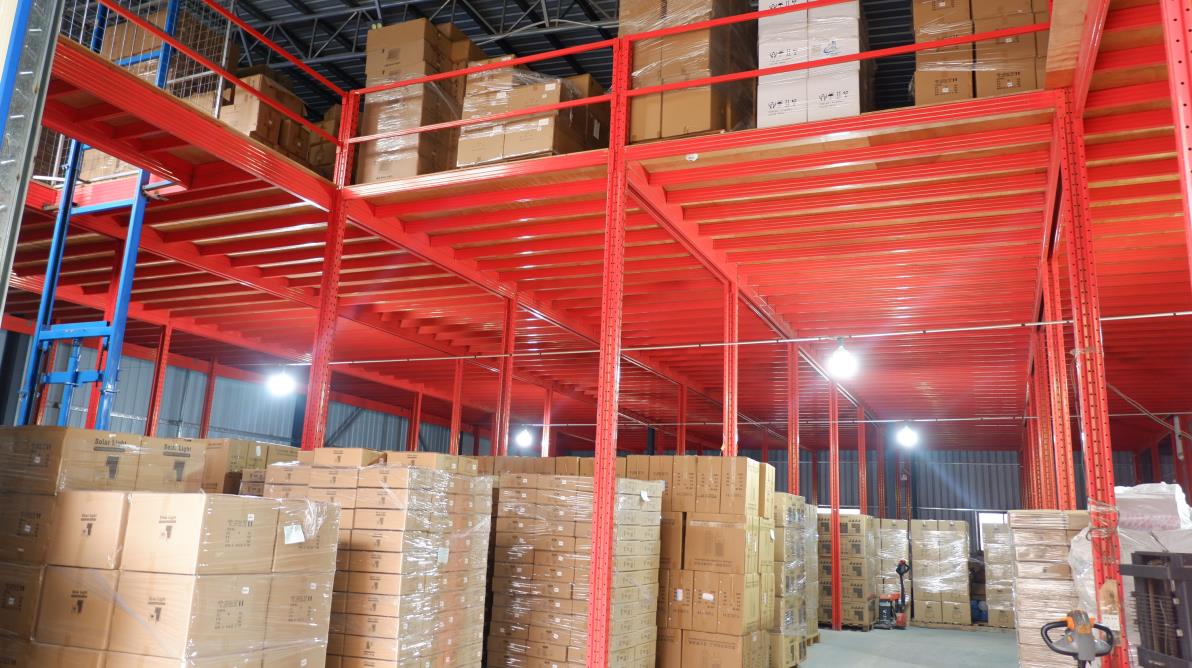
Packaged batches are palletized and stored in a humidity-controlled environment, ready for worldwide shipment.

Industrial LED deployment is never one-size-fits-all. Different environments present distinct physics and mechanical challenges. Sourcing agents need to align light properties with operational tasks to ensure structural safety and visual comfort.
High mast configurations demand intense directional lumens (up to 150,000 lm) while maintaining narrow beam spreads to prevent light pollution in surrounding areas. Corrosion resistance is paramount in marine and port terminals. Standard anodized aluminum fails under salty, humid air; therefore, factories utilize multi-stage electro-phoretic coating or high-grade powder finishes to satisfy salt spray test standards exceeding 1,000 hours.
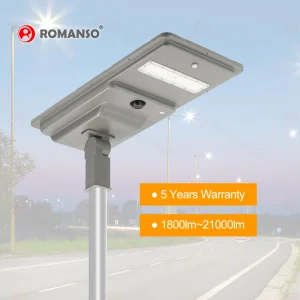
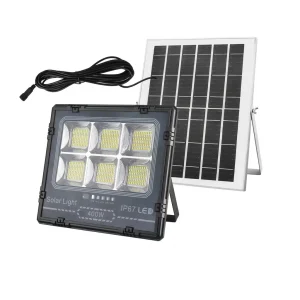
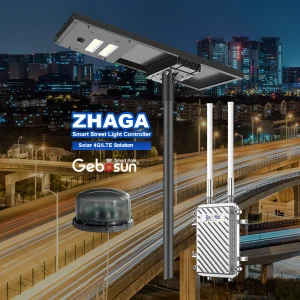
Urban roadways and remote community pathways are increasingly integrating independent, grid-free solar streetlights. However, low sun exposure during winter can cause system failures. Modern municipal installations mitigate this risk with intelligent 4G/LTE IoT controllers. These IoT controllers adjust brightness levels dynamically using passive infrared (PIR) motion sensors and real-time battery status tracking, ensuring 3 to 5 continuous rainy days of backup illumination.
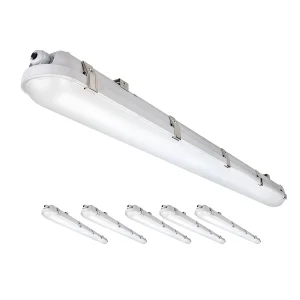
For processing plants dealing with dust, moisture, and mild chemical aerosols, standard linear fixtures degrade quickly. Tri-proof linear lamps are engineered with high impact polycarbonate casings and silicone seals to withstand continuous humidity, high-pressure cleaning cycles, and temperature swings without structural cracking or ingress.
Understanding the core technical parameters helps procurement managers make informed decisions. We address the most common technical questions asked by industrial buyers.
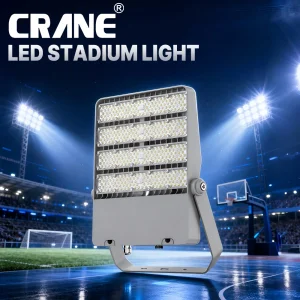
Discover our industrial-grade linear fixtures, high-output stadium projectors, media facades, and architectural safety solutions designed for complex infrastructure projects.
 NexLt Light