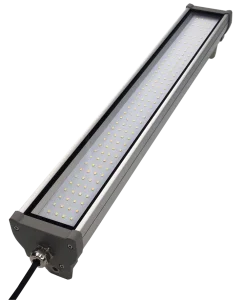
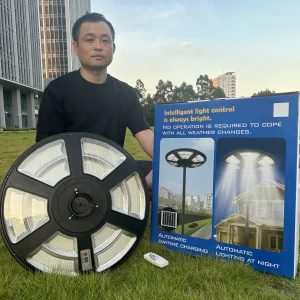
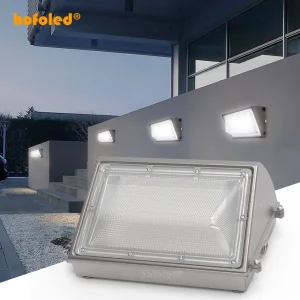
Engineered for architectural, heavy industrial, and municipal infrastructures demanding maximum efficacy and system lifespan.
In the modern commercial real estate, industrial infrastructure, and public lighting sectors, the procurement of LED panel lights has transcended simple capital expenditure (CapEx) metrics. Today's global enterprises focus on operational expenditure (OpEx), total cost of ownership (TCO), and carbon emission reduction parameters. When scouring the globe for the top 10 LED light panels factories & exporters, specialized procurement managers prioritize technical factors such as Luminous Efficacy (lm/W), Unified Glare Rating (UGR), spectral consistency (measured in MacAdam Ellipses or SDCM), and advanced thermal management design.
An elite LED panel lighting manufacturer is not merely an assembly plant; it must be a technical partner capable of addressing complex challenges. These challenges include structural integration within dynamic architectural grids, harmonization with intelligent IoT control protocols (like DALI-2, Zigbee 3.0, and 0-10V dimming interfaces), and strict compliance with local international safety and performance certifications.
In terms of user intent mining, the typical search for "Top 10 LED Light Panels Factories & Exporters" signals a high-intent research stage where buyers seek to mitigate transactional risks. Mitigating these risks requires detailed disclosures regarding factory processes, engineering talent, quality management systems (QMS), and the raw material supply chain. This whitepaper serves as an analytical evaluation tool to assist supply chain professionals in vetting manufacturing partners.
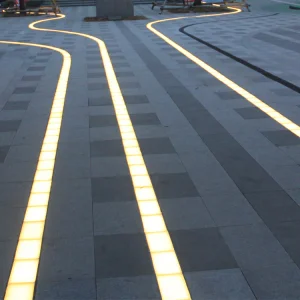
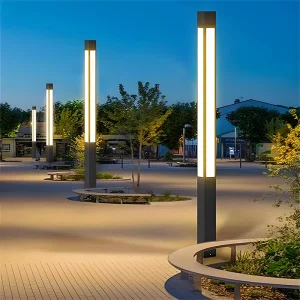
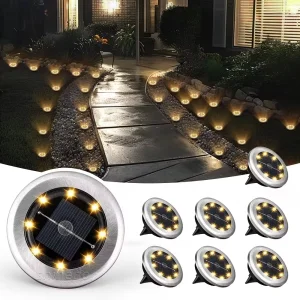
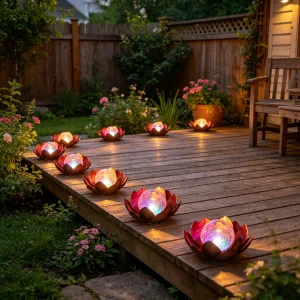
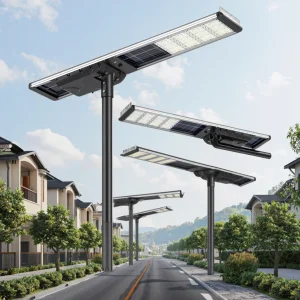
Jiangmen NexLt Light Co., Ltd. is a prominent player in the global optoelectronics sector, recognized for its advanced research and manufacturing of architectural, commercial, and industrial lighting solutions. As a professional manufacturer, processor, and supplier, NexLt Light specializes in high-efficacy LED light panels, solar energy projector lamps, high-performance street lamps, technical lighting fixtures, structural lamp accessories, and tailored municipal lighting systems.
Strategic Capabilities: Beyond standard light manufacturing, NexLt provides comprehensive end-to-end services. This includes industrial design, optical modeling, custom outer-shell component manufacturing, photobiological safety assessments, site planning, installation guidance, and systematic post-installation maintenance support.
NexLt Light Co., Ltd. is backed by advanced production machinery and a highly specialized engineering team. Guided by principles of manufacturing precision and technological innovation, the company continuously updates its product blueprints to align with international regulatory changes and shifts in architectural trends. By prioritizing long-term partnerships, NexLt balances cost efficiency with engineering integrity, delivering reliable lighting systems to institutional buyers worldwide.
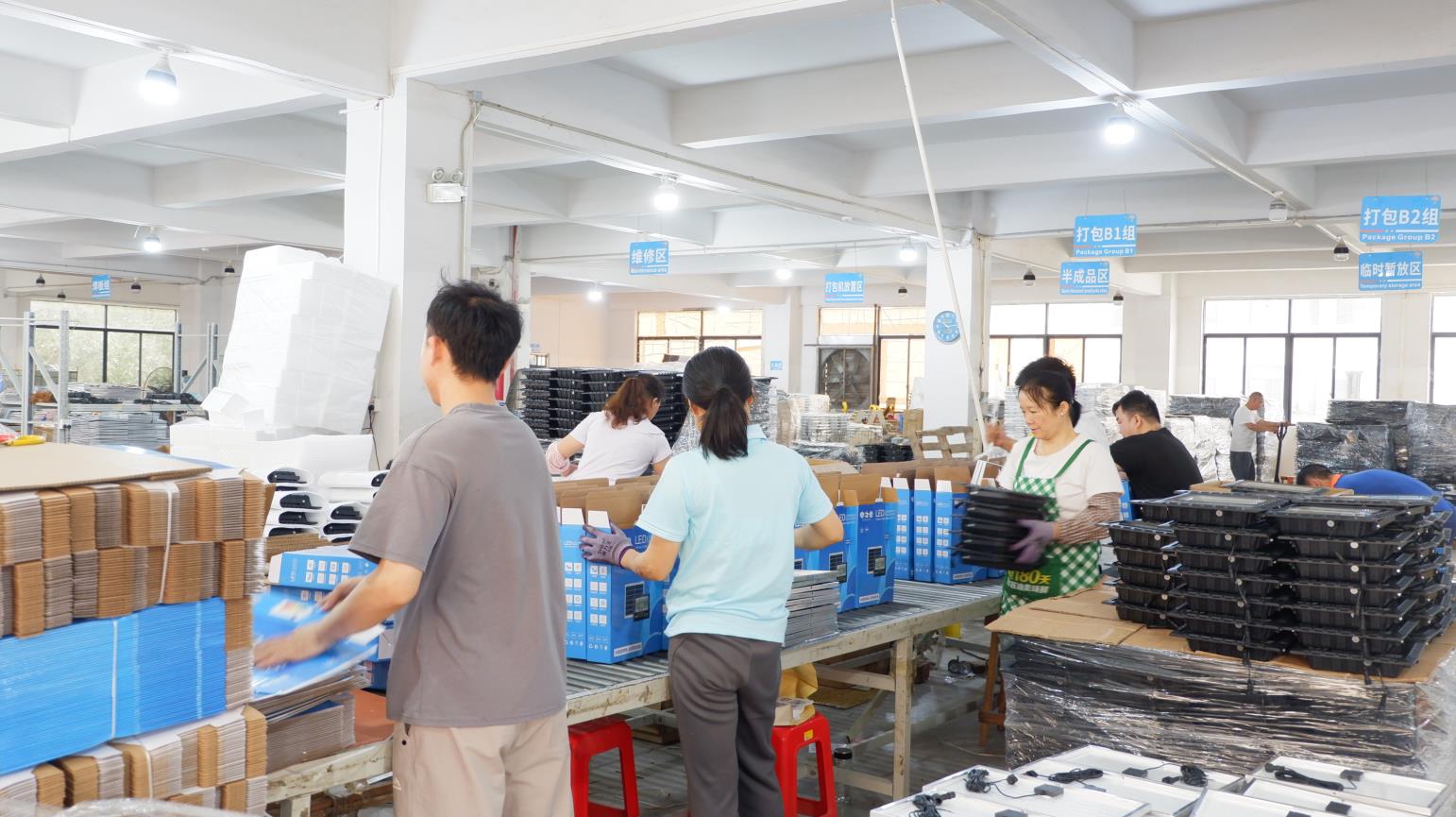
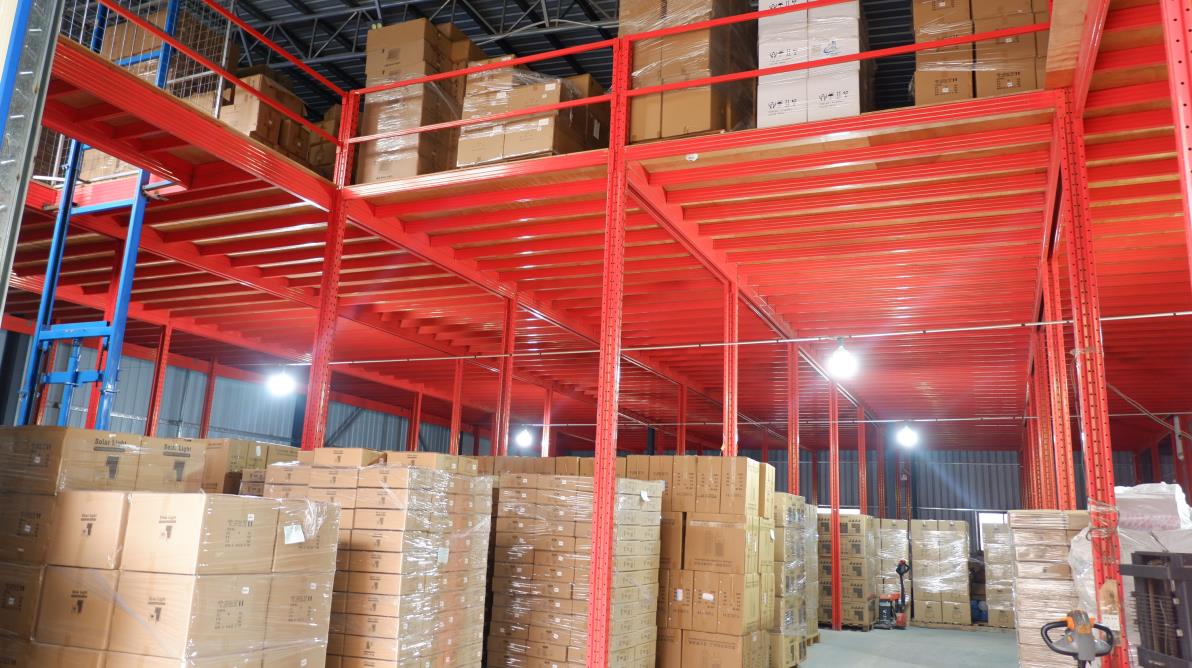
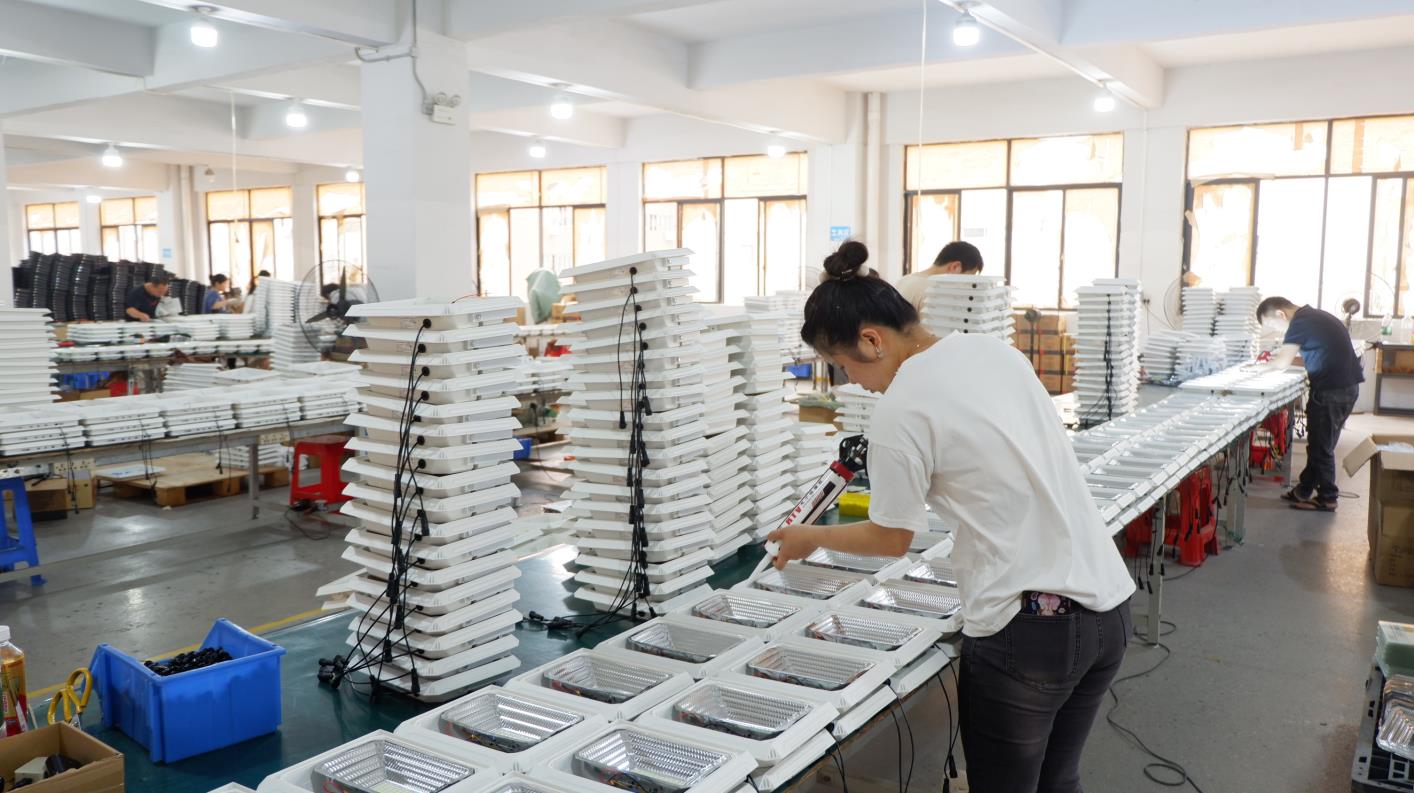
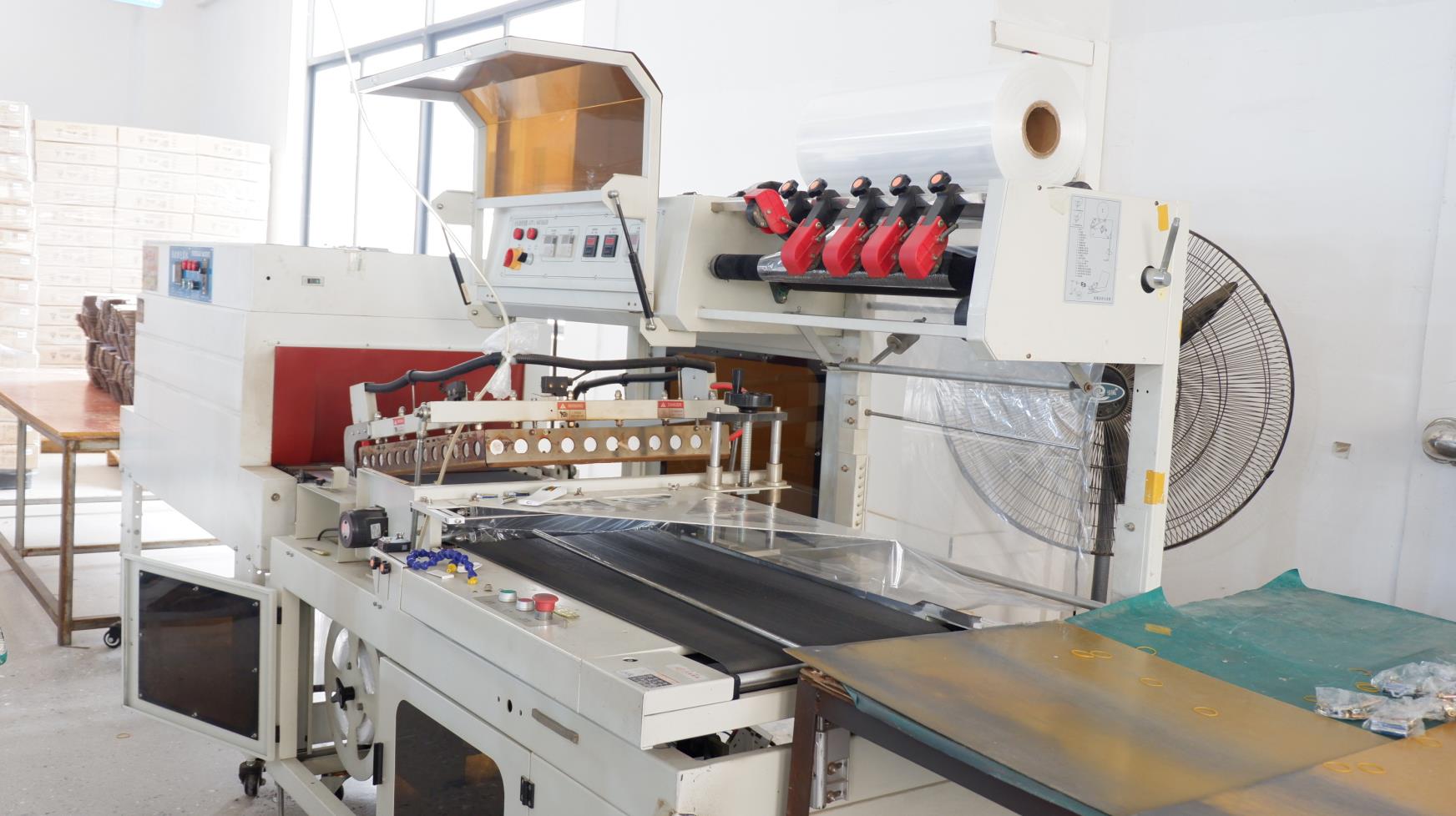
The enterprise’s commitment to transparency, supply chain ethics, and production efficiency has established its standing in the global export market. Partners and clients from various industries are welcome to visit our state-of-the-art production facility in Jiangmen to inspect our workflows, review our QA protocols, and discuss high-volume commercial contracts.
For international sourcing agents, finding a reliable supplier requires analyzing their internal engineering processes. Here is an overview of the core capabilities that position Jiangmen NexLt Light Co., Ltd. among leading exporters:
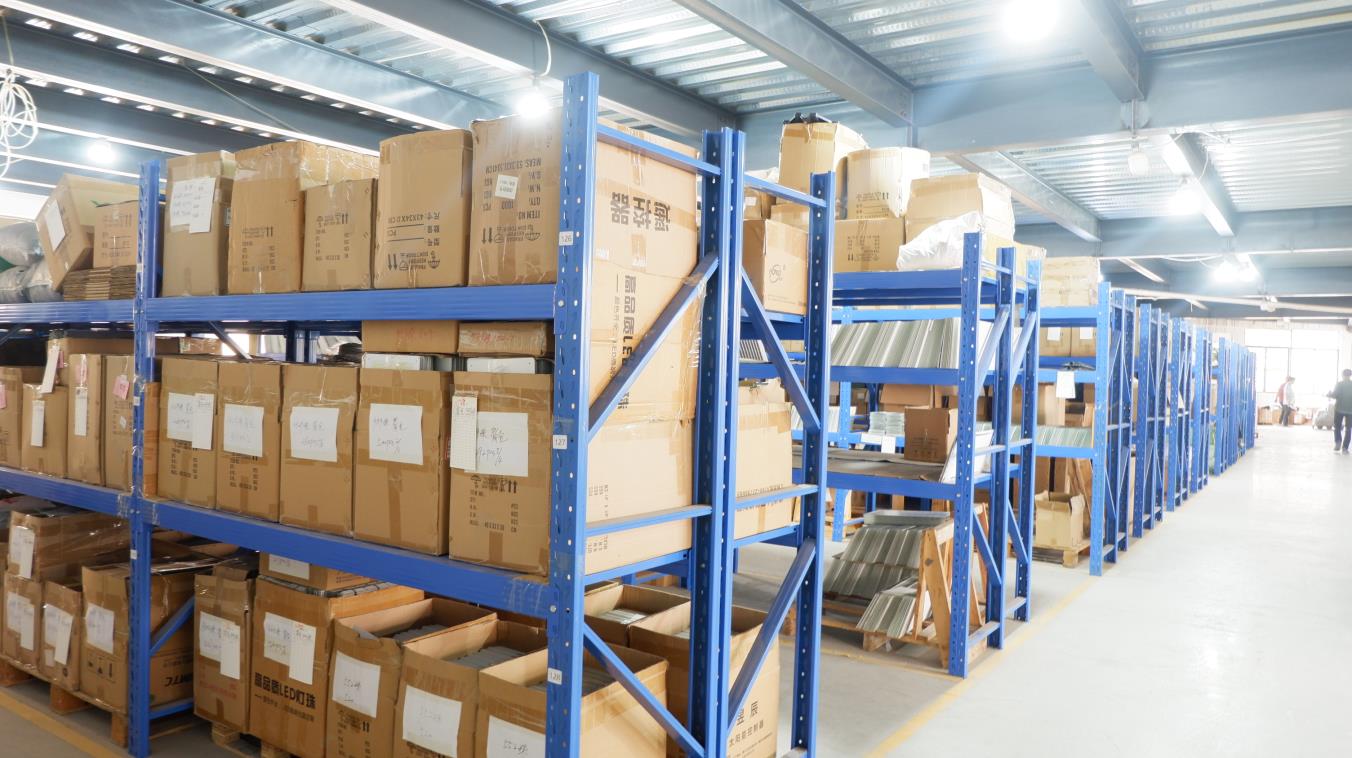
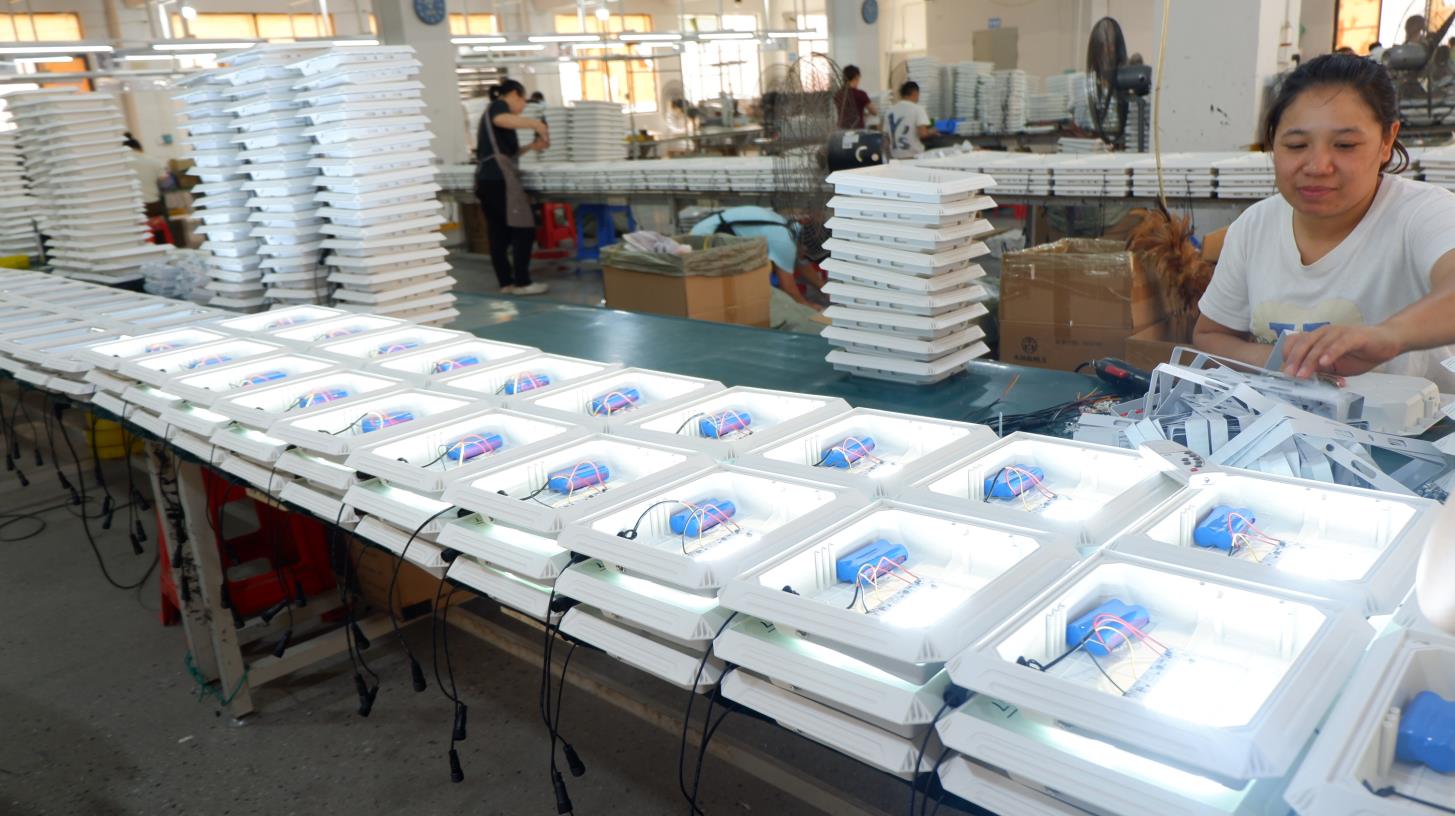
Step-by-step visual demonstration of NexLt's manufacturing processes, combining automated precision with strict quality control.





The global optoelectronics landscape is shifting toward digitization, energy optimization, and personalized lighting solutions. For procurement directors, understanding the technical trajectory of LED panels over the next five years is essential for preventing premature building obsolescence. Sourcing strategies should focus on three main technical developments:
HCL systems synchronize with the natural human circadian rhythm by dynamically shifting correlated color temperatures (CCT) from warm amber tones (approx. 2700K) to cool blue-white tones (above 6500K) over the course of the day. This technology is increasingly integrated into modern corporate headquarters, healthcare facilities, and educational institutions to support comfort and productivity. Future LED panel light designs will utilize multi-channel drivers and advanced micro-controllers to enable smooth CCT transitions without compromising lumens or CRI metrics.
LED light panels are transitioning from simple fixtures into nodes in data networks. By embedding sensors directly within the panel housing (integrating daylight harvesting photocells, PIR motion sensors, and wireless Bluetooth Mesh or Matter transceivers), commercial spaces can realize additional energy savings of up to 40%. The standard protocol for major commercial projects is DALI-2 (Digital Addressable Lighting Interface), which offers bi-directional feedback, precise fault reporting, and simplified zoning configurations.
To reduce panel profiles without losing light output, factories are refining the optical design of Light Guide Plates (LGP). Modern LGPs use laser-dot micro-structures and high-quality PMMA materials that resist yellowing over ten years of continuous operation. Direct-lit panel designs, while slightly thicker, are incorporating multi-layered diffuser optics to eliminate pixelation and shadow anomalies, achieving highly uniform, glare-free light distributions.
Different industrial and commercial sectors require specific lighting solutions. Standard LED panels are not suitable for specialized environments, which demands target-built fixtures with tailored engineering:
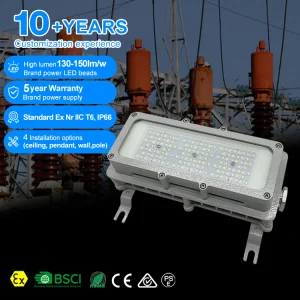
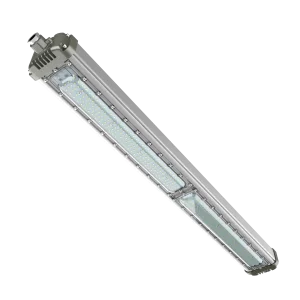
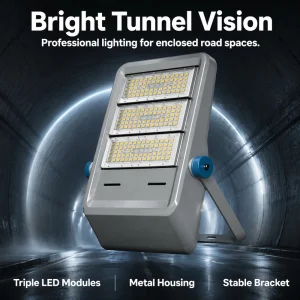
In chemical plants, oil refineries, and transit tunnels, lighting fixtures must withstand high humidity, vibrations, and potential explosive hazards. This requires explosion-proof linear LEDs and heavy-duty floodlights featuring copper-free aluminum housings, impact-resistant tempered glass, and ATEX/IECEx certifications. These fixtures must feature ingress protection ratings of IP66 or IP67 to guarantee complete isolation from moisture, dust, and corrosive vapors.
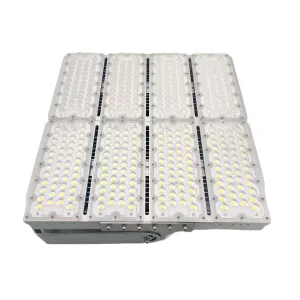
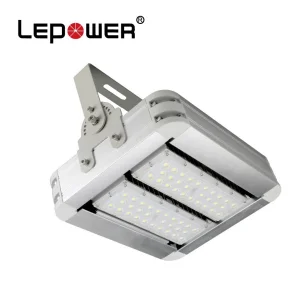
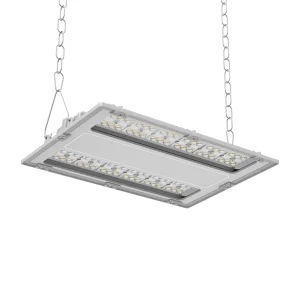
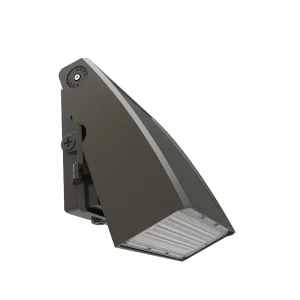
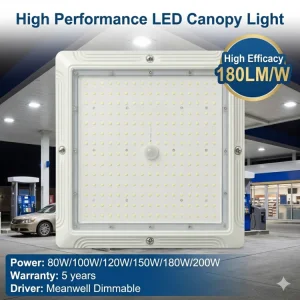
Commercial structures such as logistics centers and gas station canopies operate continuously and require high luminous flux. For these environments, high bay canopy lights and modular floodlighting systems are standard. Using highly efficient optics (e.g., 160 lm/W) and high-quality thermal dissipation backplanes, these systems minimize lumen depreciation, ensuring safe illumination levels for outdoor fueling zones and high-bay storage racks.
For municipal roads and landscape projects, solar-powered LED streetlights equipped with LiFePO4 batteries and MPPT (Maximum Power Point Tracking) controllers offer autonomous operation off the power grid. Integrating smart controllers allows these systems to adjust energy consumption based on local weather conditions, maintaining lighting performance throughout the night.
The international LED trade is governed by a complex framework of regional standards and electrical safety directives. Sourcing from a manufacturer that lacks proper compliance documentation can lead to customs delays, project hold-ups, or legal liabilities. When vetting suppliers among the top exporters, check for the following certifications:
| Region / Market | Standard / Certification | Core Compliance Focus |
|---|---|---|
| European Union (EU) | CE, RoHS, ErP Directive | Electrical safety, restriction of hazardous substances, and minimum energy efficiency thresholds. |
| North America (US & Canada) | ETL, UL, DLC Premium | Fire safety standards, electrical wiring integrity, and eligibility for utility rebate programs. |
| Hazardous Areas (Global) | ATEX, IECEx | Flameproof housings, surface temperature limits, and ignition-prevention design. |
| Universal | IP65, IP66, IP67, IK08 | Resistance against particulate ingress, water projection, high-pressure jetting, and mechanical impact. |
In addition to safety marks, leading exporters establish localized support networks. This includes keeping inventory in regional hubs, providing pre-sales architectural calculations via Dialux, and maintaining local field service agents to handle installation, troubleshooting, and warranty claims under local jurisdiction.
This evaluation matrix highlights the key differences between standard assembly facilities and Tier-1 advanced engineering manufacturers:
| Engineering Attribute | Tier-1 Advanced Manufacturer (e.g., NexLt) | Standard Assembly Workshop |
|---|---|---|
| Luminous Efficacy | 140 lm/W to 160 lm/W (LM-80 tested LEDs) | < 100 lm/W (generic components) |
| Thermal Design | 6063 aviation aluminum, simulated thermal paths | Thinner recycled aluminum, higher junction temps |
| Driver Lifespan | > 50,000 hours (Meanwell/NexLt custom, low THD) | < 15,000 hours (non-isolated driver, high flicker) |
| Color Consistency | < 3-step MacAdam Ellipse (SDCM < 3) | No specific binning strategy, visible color shift |
| Smart Controls | DALI-2, Zigbee, Casambi, IoT Sensor integration | Basic on/off only, no digital dimming option |
Critical engineering answers for supply chain managers, architects, and electrical consultants.
High-efficiency, certified lighting hardware designed for specialized, heavy-duty applications across the globe.
 NexLt Light