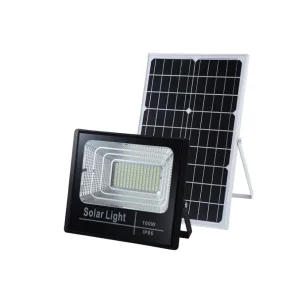
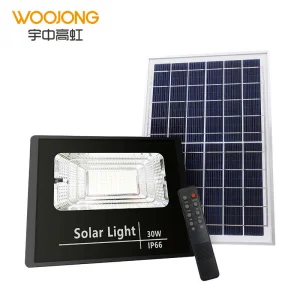
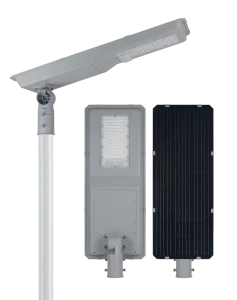
Explore our industrial-grade luminaires built to global regulatory standards
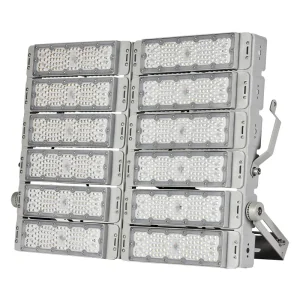
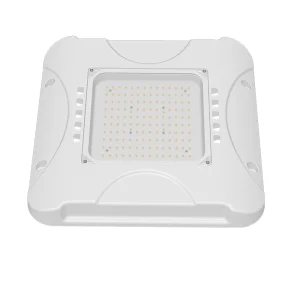
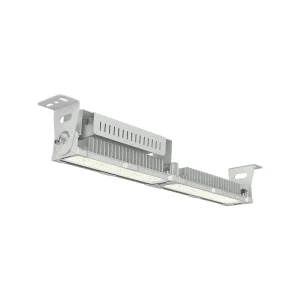
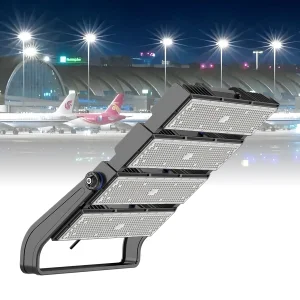
The global industrial and commercial lighting markets are undergoing an unprecedented technological evolution. Once dominated by high-intensity discharge (HID), metal halide, and conventional incandescent systems, sectors ranging from theatrical production and architectural engineering to heavy industrial manufacturing are transitioning rapidly toward high-efficiency LED systems. Specifically, CE Certified LED Par Lights (Parabolic Aluminized Reflector lights) have emerged as the backbone of directional wash and spot illumination.
Compliance with European Union directives (indicated by the CE mark) is no longer just a regulatory barrier; it is the ultimate benchmark of safety, performance, and durability for global procurement managers. As project lifecycles demand longer mean-time-between-failures (MTBF) and strict adherence to electromagnetic compatibility (EMC) regulations, sourcing from verified manufacturers has become a mission-critical priority. This whitepaper analyzes the commercial dynamics, engineering benchmarks, manufacturing efficiencies, and localized application metrics that define top-tier LED Par lighting technology.
For international distributors, electrical contractors, and municipal engineers, purchasing lighting fixtures without proper certification poses immense operational, legal, and safety risks. The CE Certification represents a manufacturer's declaration that the product complies with the essential requirements of relevant European health, safety, and environmental protection legislation.
By focusing on CE certified products, procurement professionals protect their organizations against costly customs delays, site inspection failures, and insurance liability exclusions while ensuring that workers and patrons are protected by reliable, non-hazardous electrical architecture.
Jiangmen NexLt Light Co., Ltd. is a professional manufacturer, processor, and supplier specializing in solar energy projector lamps, street lamps, LED products, lighting fixtures, lamp accessories, and a wide range of lighting solutions. In addition, we provide comprehensive services including product design, shell parts manufacturing, installation, and maintenance.
NexLt Light Co., Ltd. is equipped with advanced production equipment and a team of highly skilled technicians. We prioritize precision and innovation, continuously enhancing product quality to meet the evolving needs of our customers. Our commitment is to provide reliable, efficient, and high-quality lighting solutions, ensuring customer satisfaction and long-term partnerships. Our dedication to excellence, integrity, and professional strength has earned recognition within the industry. We warmly welcome partners, clients, and friends from all walks of life to visit, offer guidance, and engage in business negotiations.
At Jiangmen NexLt Light Co., Ltd., we combine strategic industrial clustering in Guangdong Province with cutting-edge engineering processes to deliver industry-leading solid-state lighting products.
Our team consists of experienced engineers and lighting specialists with over 12 years of research and development experience in the lighting industry. We combine deep industry knowledge with innovative design capabilities to deliver high-performance products.
We offer a wide range of lighting solutions, including solar-powered projectors, LED street lamps, commercial and residential lighting, and accessories. Our products are designed to meet various market requirements and provide energy-efficient, durable, and environmentally friendly solutions.
We provide tailored solutions to meet the specific needs of our clients. From product design to production, our team works closely with customers to ensure every project meets technical specifications, aesthetic preferences, and functional requirements.
Quality is the cornerstone of NexLt Light. We adhere to strict quality control processes at every stage of production. Combined with our dedicated after-sales support, we guarantee products that are reliable, safe, and long-lasting, along with prompt, professional customer service.
We actively pursue environmentally responsible practices, including energy-efficient designs, recyclable materials, and reduced carbon emissions in our production processes. Our goal is to contribute to a greener and smarter lighting future.
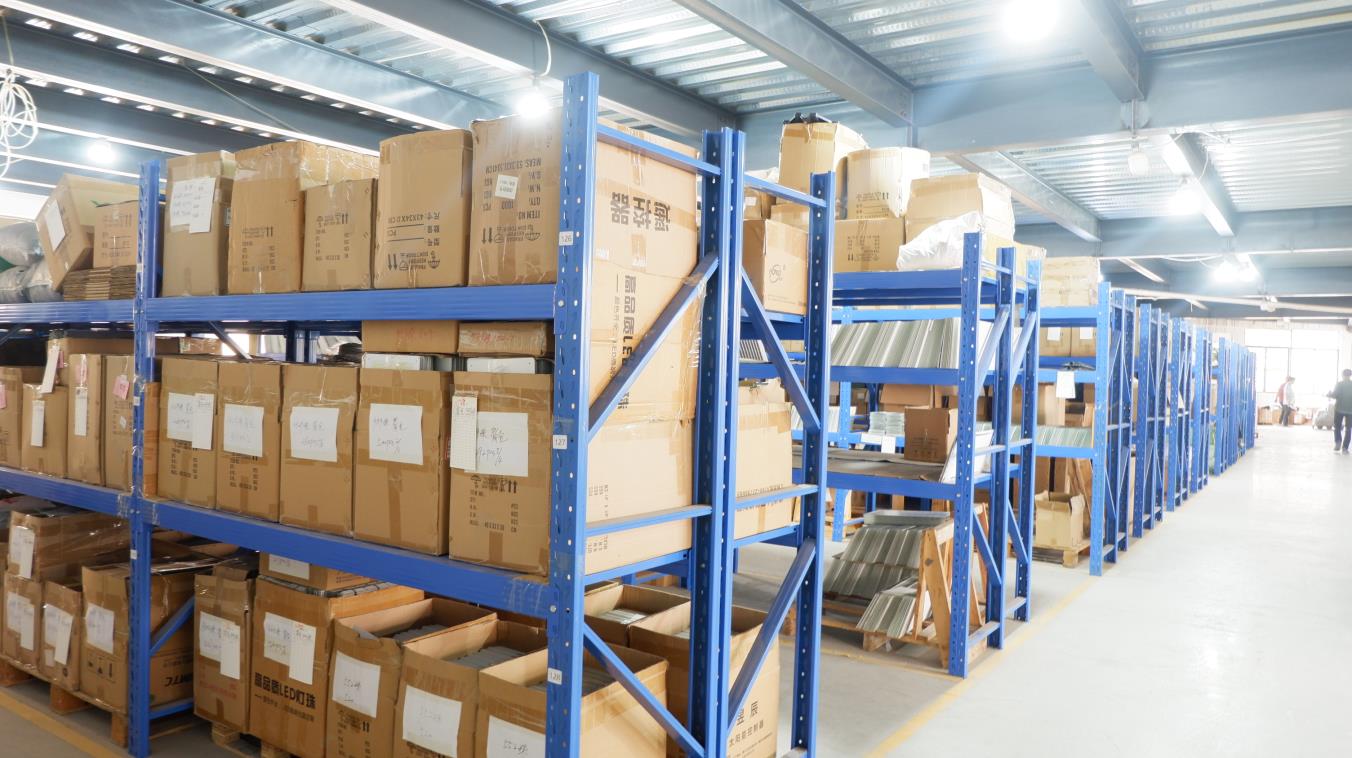
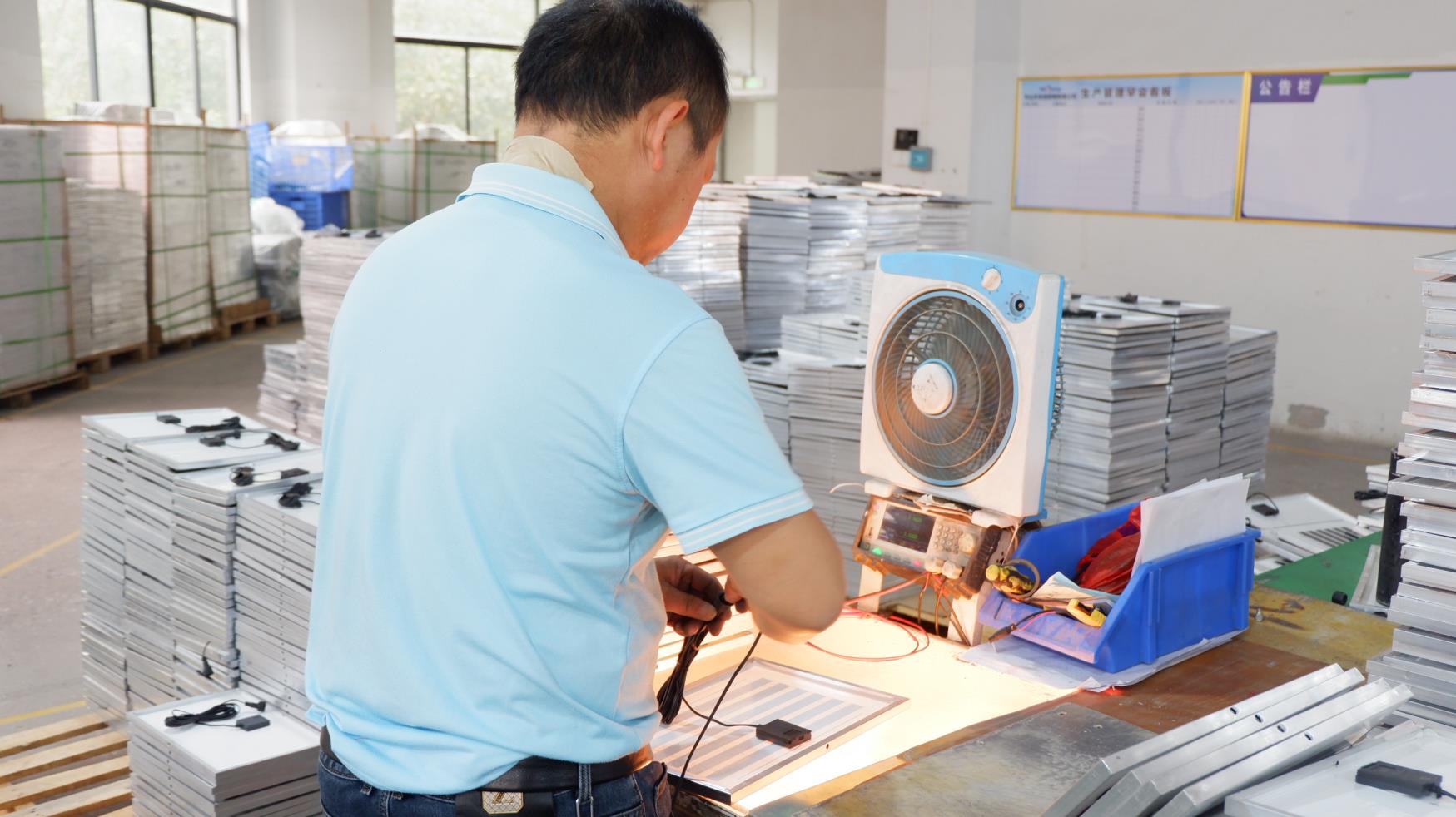
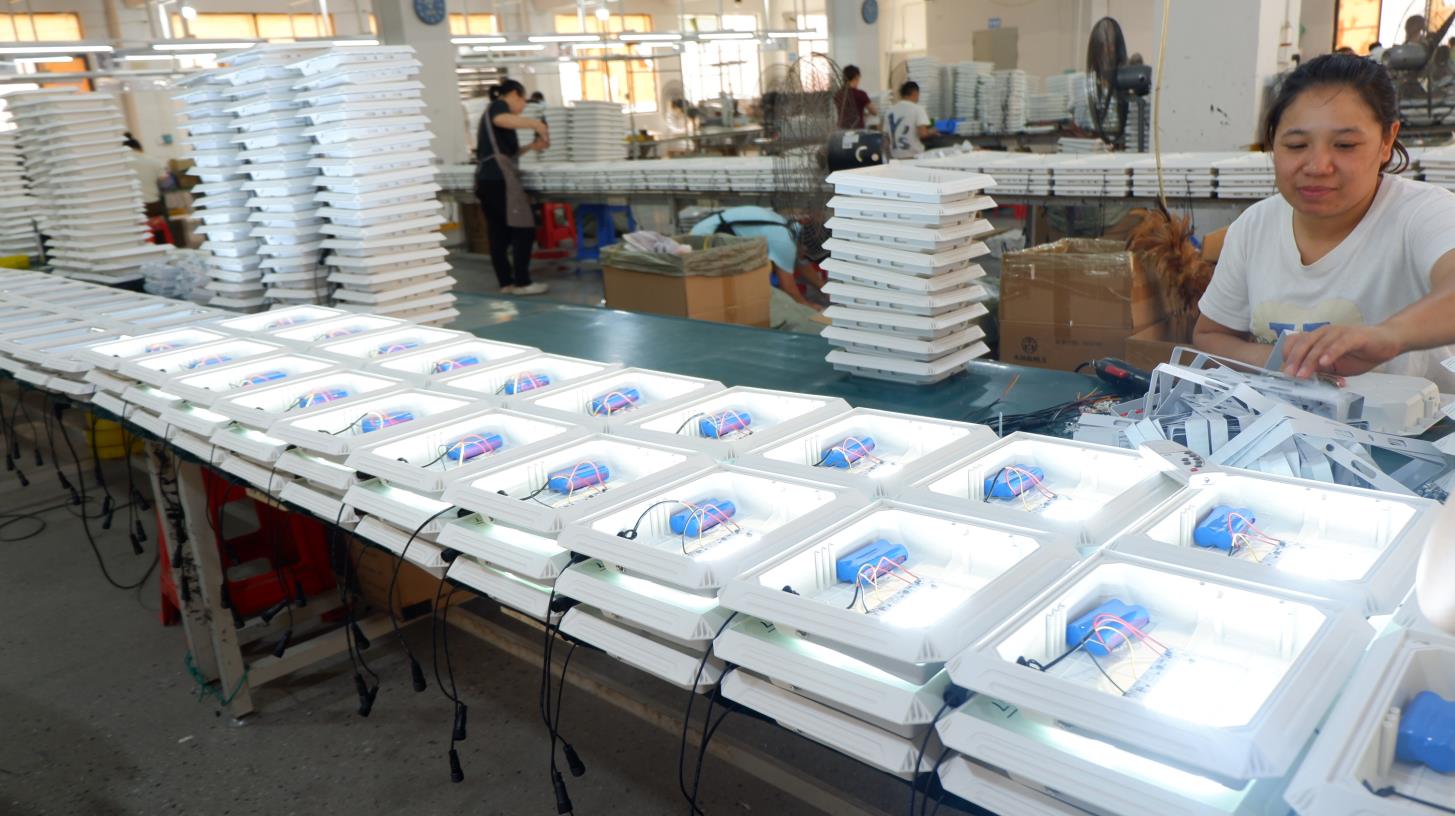
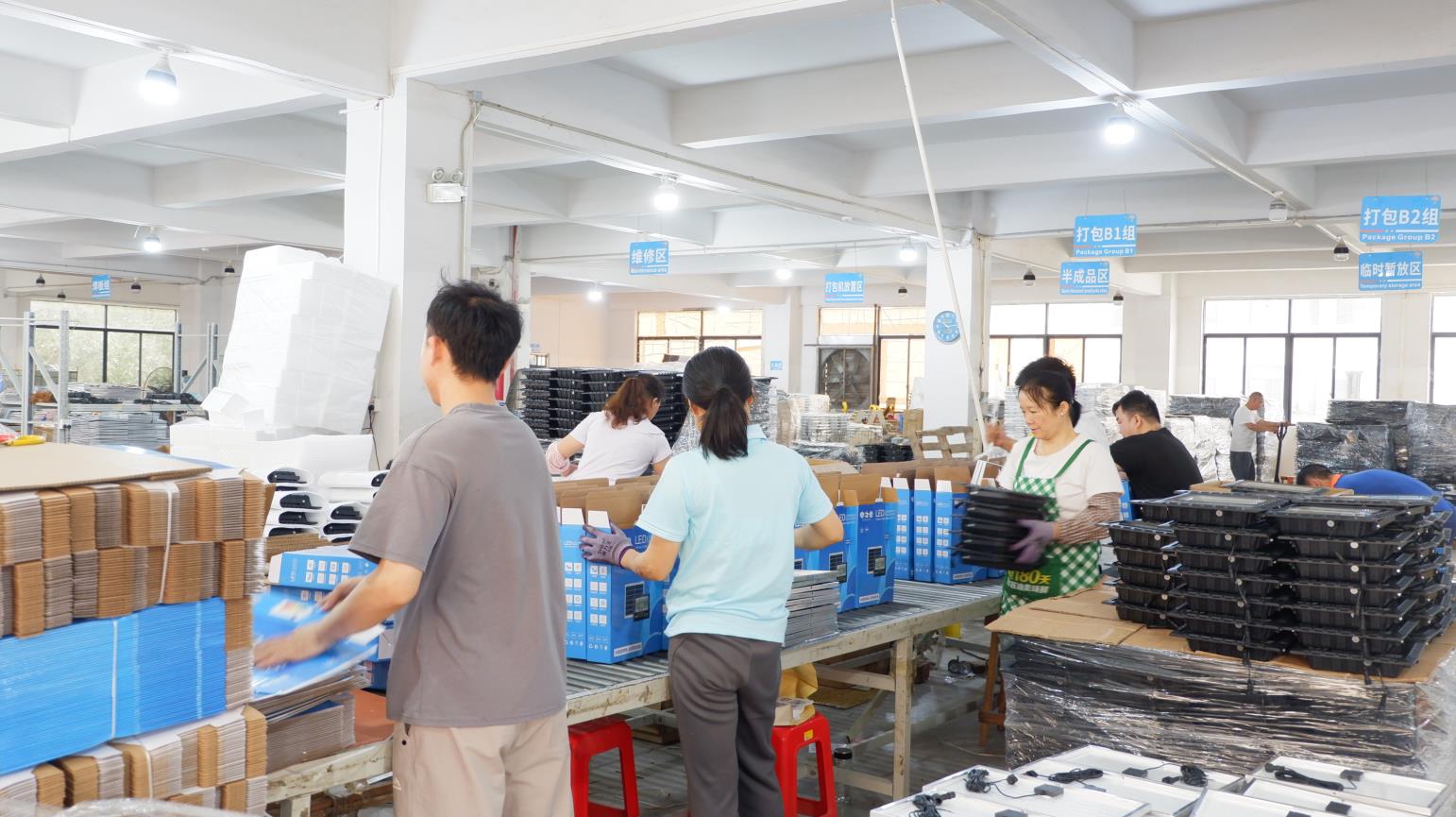
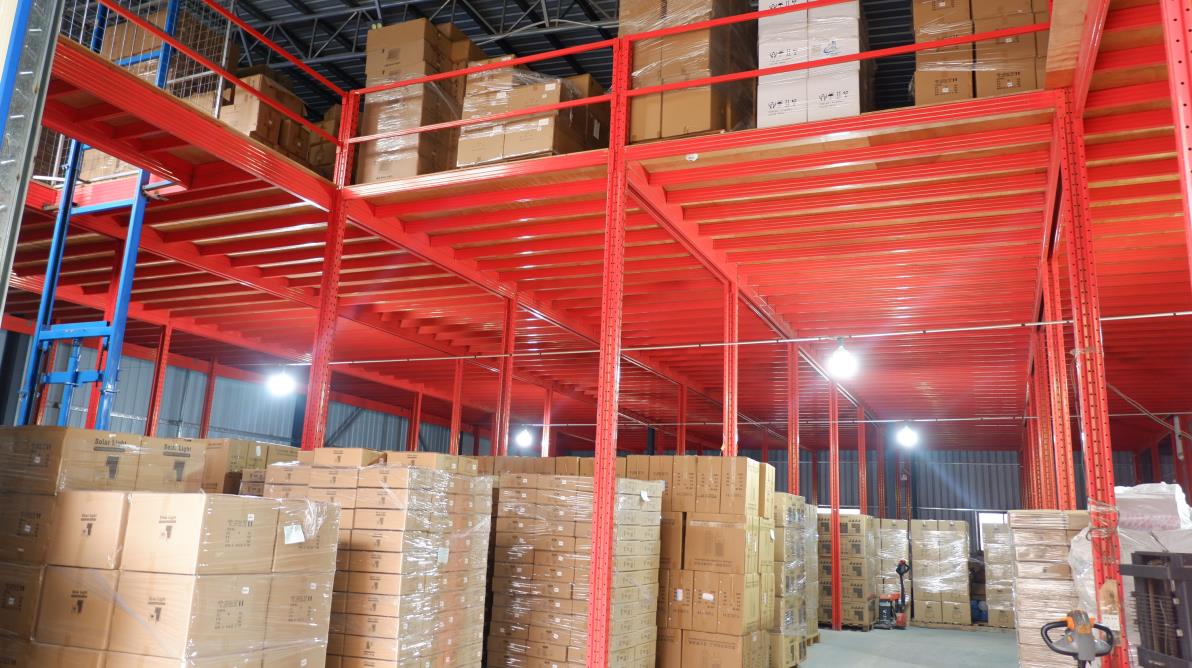
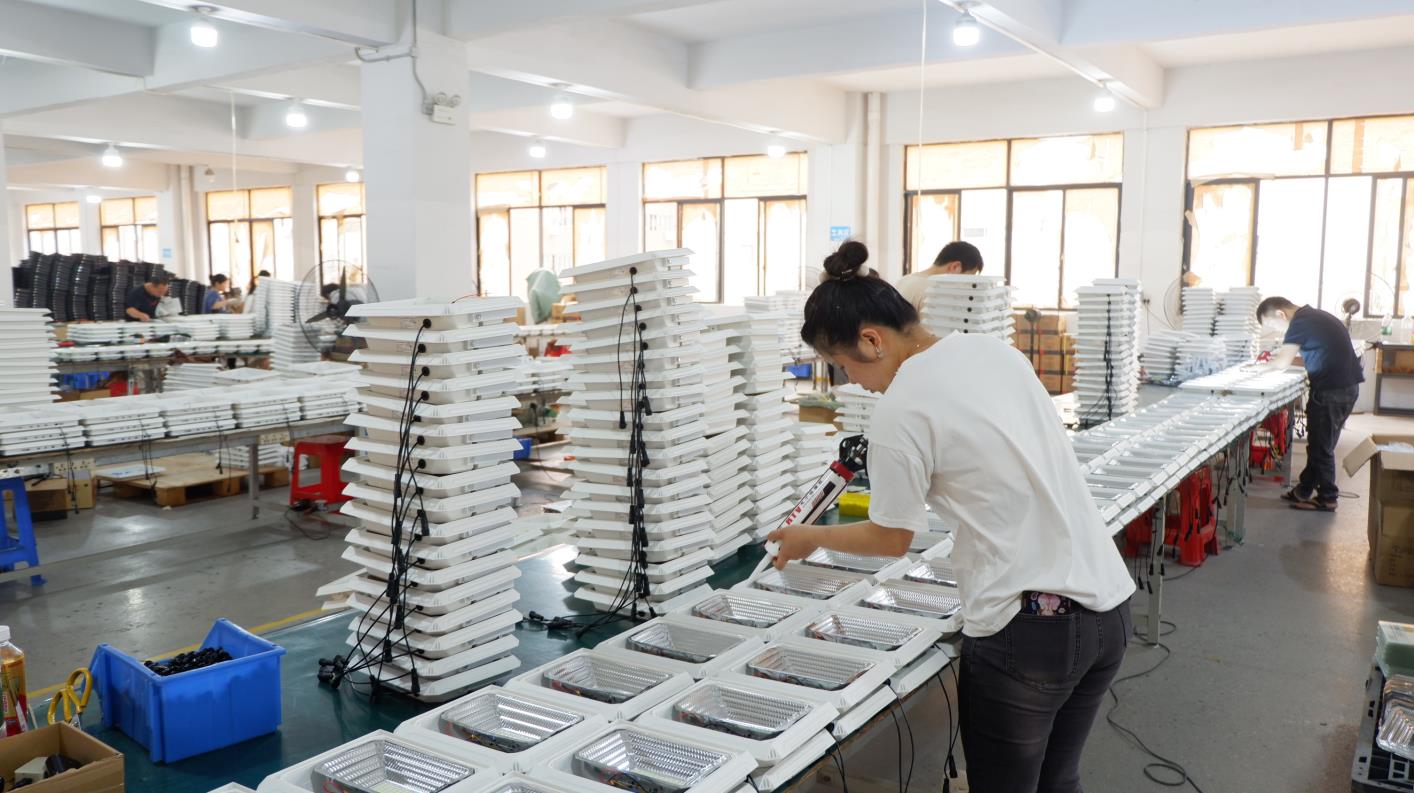
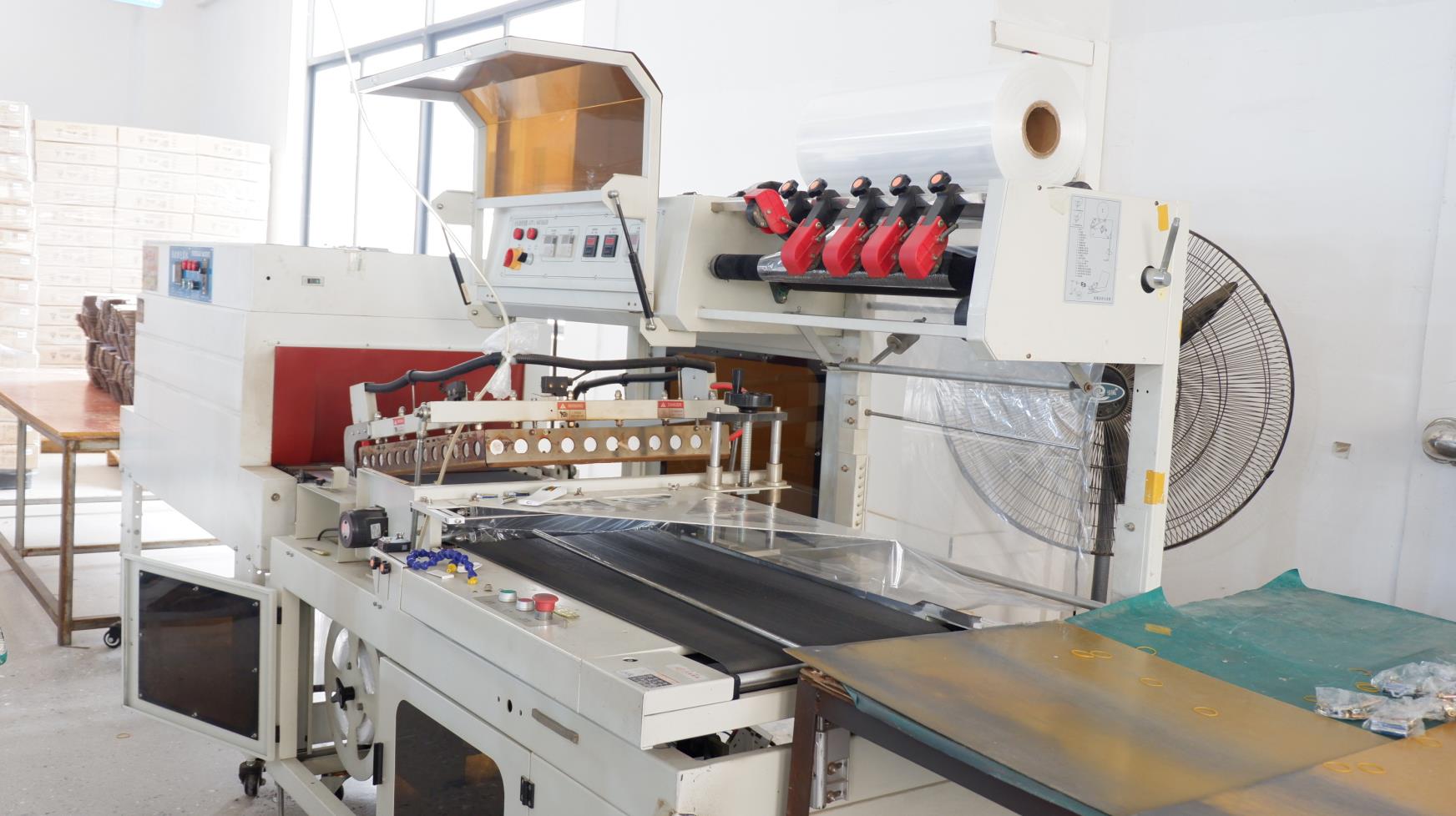
Precision engineering requires consistent control over assembly parameters. Our factory in Jiangmen utilizes automated machinery and strict checking milestones to ensure every CE certified LED light performs flawlessly under extreme environmental conditions. Below is a comprehensive visualization of our production line workflow:




To stand out in highly competitive markets, modern LED Par lights rely on architectural innovations in electronics, thermal dynamics, and optical layout. In this section, we examine the critical technology vectors that define performance.
The beam angle of a Par light determines its versatility. While traditional incandescent systems required physical lens swaps, modern LED Par fixtures utilize engineered PMMA TIR (Total Internal Reflection) lenses or holographic diffusers to provide precise beam controls ranging from narrow spots (10°-15°) to wide washes (45°-60°). Additionally, spectral purity is preserved through RGBW, RGBA, or high-CRI (Color Rendering Index > 90) COB (Chip-on-Board) integration. This eliminates color separation shadows and chromatic aberrations, providing exceptional rendering on stages and architectural elements.
The enemy of LED longevity is junction temperature (Tj). When Tj exceeds manufacturer limits, color shifting, efficiency losses, and premature diode degradation occur. Premium LED Par lights employ die-cast aluminum chassis designs featuring high convection-fin density. This optimizes passive cooling, which avoids reliance on loud cooling fans—critical for noise-restricted theatrical or church environments. For high-output stadium-grade or industrial modular luminaires, forced air designs with dust-sealed brushless fans are leveraged to achieve thermal equilibrium.
At the heart of every CE Certified LED Par light is a robust, isolated LED driver. These drivers feature integrated active Power Factor Correction (PFC > 0.95), short-circuit protection, over-current safeguards, and thermal foldback circuitry. Advanced systems natively integrate DMX512-A protocols, Remote Device Management (RDM), Art-Net, or wireless connectivity. This allows remote programming of dimming curves (linear, logarithmic, exponential), strobe speeds, and localized zone lighting control.
Understanding how LED Par Lights perform under specific localized environments helps engineers match technical specs to actual physical demands.
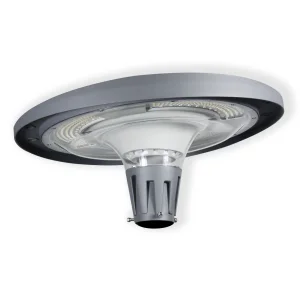
In outdoor facade lighting, the system must endure continuous exposure to UV radiation, fluctuating ambient temperatures, and direct precipitation. Our IP65/IP66-rated modular projectors, designed with marine-grade anti-corrosive powder coatings and tempered safety glass lenses, prevent moisture ingress while delivering uniform color blending across massive vertical surfaces. Linear ceiling and canopy options, like the IP66 Waterproof Canopy Light for Gas Stations, withstand constant vibration and environmental soot without yellowing or cracking.
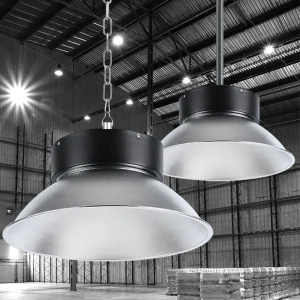
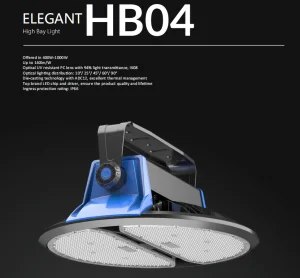
Industrial workshops demand highly efficient, low-glare luminaires to protect worker comfort and accuracy. Installing UFO LED High Bay Lights (ranging from 100W to 300W) or Linear LED Tubelights ensures high lux levels at the working plane. The inclusion of Meanwell drivers and Lumileds chips guarantees constant current operation, preventing invisible high-frequency flickering that causes fatigue and headaches over long working shifts.
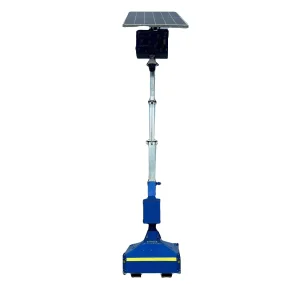
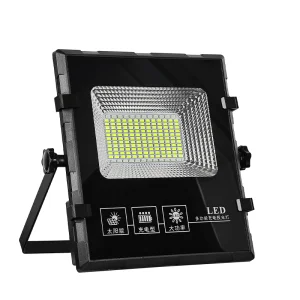
Where traditional utility power grid integration is cost-prohibitive, solar-assisted light towers and heavy-duty portable floodlights offer critical support. Utilizing solar streetlights with telescoping masts and heavy-duty integrated battery packs allows remote sites to maintain safe working zones all night without fuel supply lines, generator upkeep costs, or combustion noise.
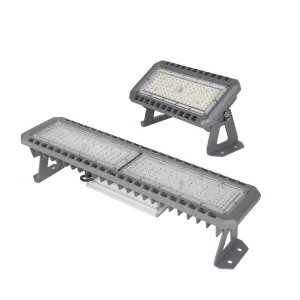
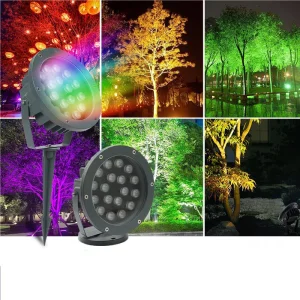
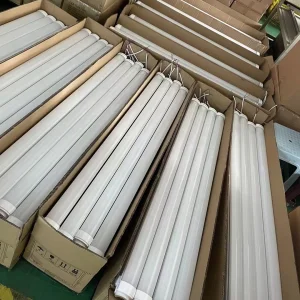
Explore our highly integrated solar panels, street lighting, and project spot lighting
 NexLt Light