Premium architectural and public-safety solar luminaires certified for smart municipal projects and commercial campuses throughout East Asia.
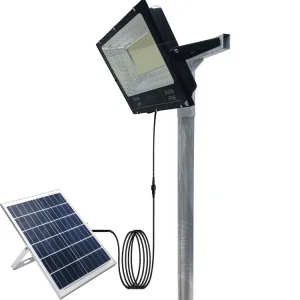
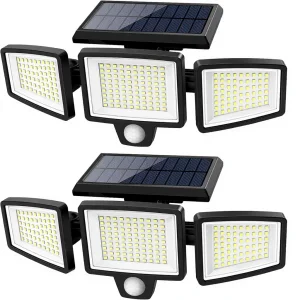
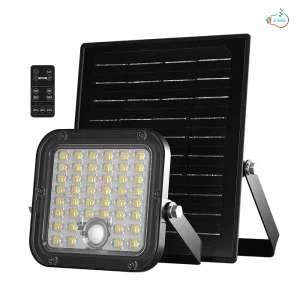
Analyzing key commercial parameters, macro-economic factors, and engineering guidelines driving solar-powered outdoor illumination.
In response to global decarbonization mandates and South Korea's aggressive net-zero smart city initiatives, the metropolitan area of Seoul has emerged as a premier hub for technological validation, export logistics, and green infrastructure R&D. Sourcing industrial solar flood lights and architectural-grade solar streetlights demands deep technical insight, as regional environmental variations and stringent compliance frameworks dictate structural requirements. Whether deploying fixtures in freezing high-altitude shipping lanes, coastal ports, or dense logistics hubs, choosing a top-tier manufacturer is crucial to ensuring structural durability, electrical efficiency, and project longevity.
Seoul experiences extreme temperature differentials between winter and summer, frequently plunging below -10°C in winter and exceeding 35°C in summer. These swings subject outdoor photovoltaic installations to thermal stress, battery efficiency degradation, and housing seals expansion. A qualified solar exporter supplying the East Asian corridor must specify materials equipped to handle these variations:
Global procurement teams in the UK, Europe, Middle East, and Southeast Asia are increasingly standardizing solar installations over grid-tied lighting. The drivers are twofold: eliminating expensive trenching and wiring costs, and fulfilling ESG corporate compliance metrics. By eliminating subterranean conduit installation, overall project costs drop by up to 45% during greenfield developments.
Precision manufacturing, continuous quality assurance, and sustainable technological leadership in commercial solar illumination.
Jiangmen NexLt Light Co., Ltd. is a leading professional manufacturer, processor, and supplier specializing in high-performance solar energy projector lamps, architectural street lamps, integrated LED products, commercial lighting fixtures, lamp accessories, and tailored optical solutions. In addition to high-capacity manufacturing, we provide comprehensive end-to-end B2B services including customizable product design, housing parts mold-casting, installation consulting, and long-term maintenance protocols.
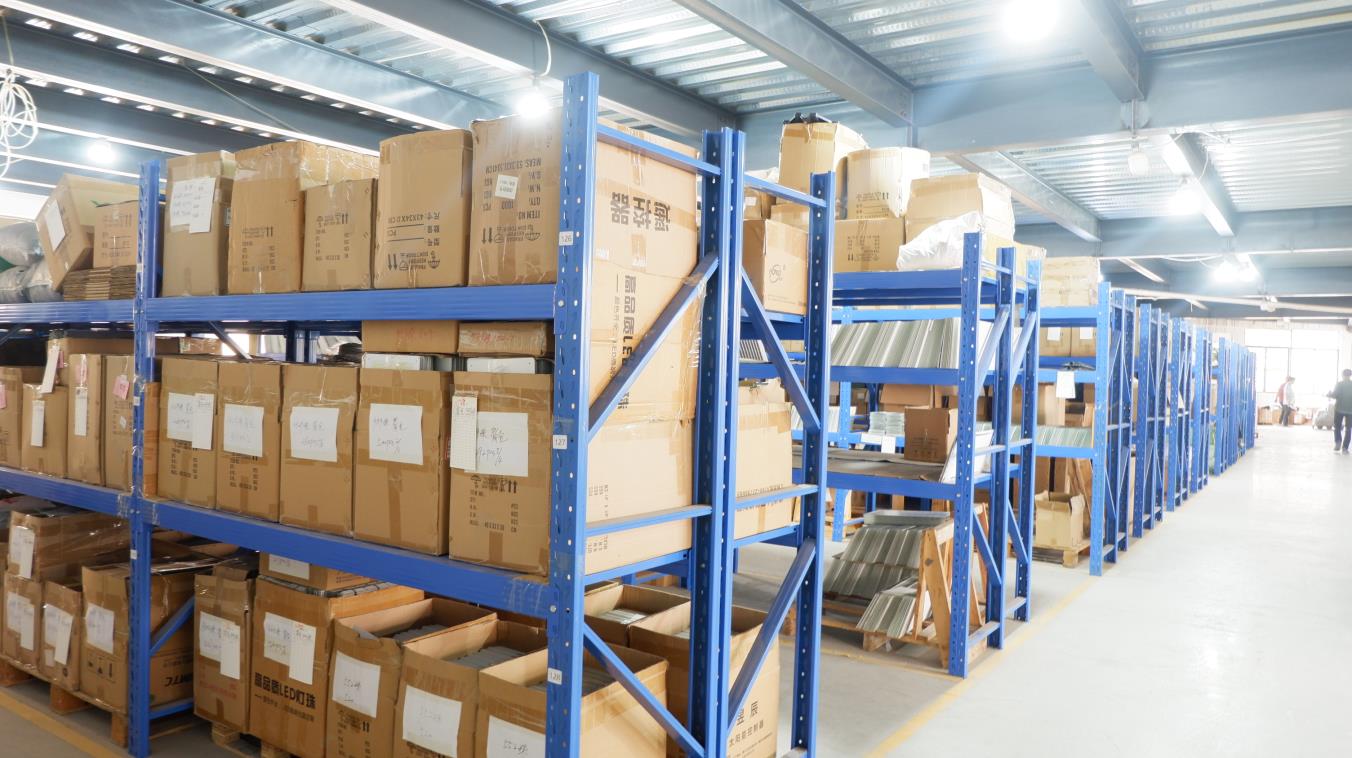
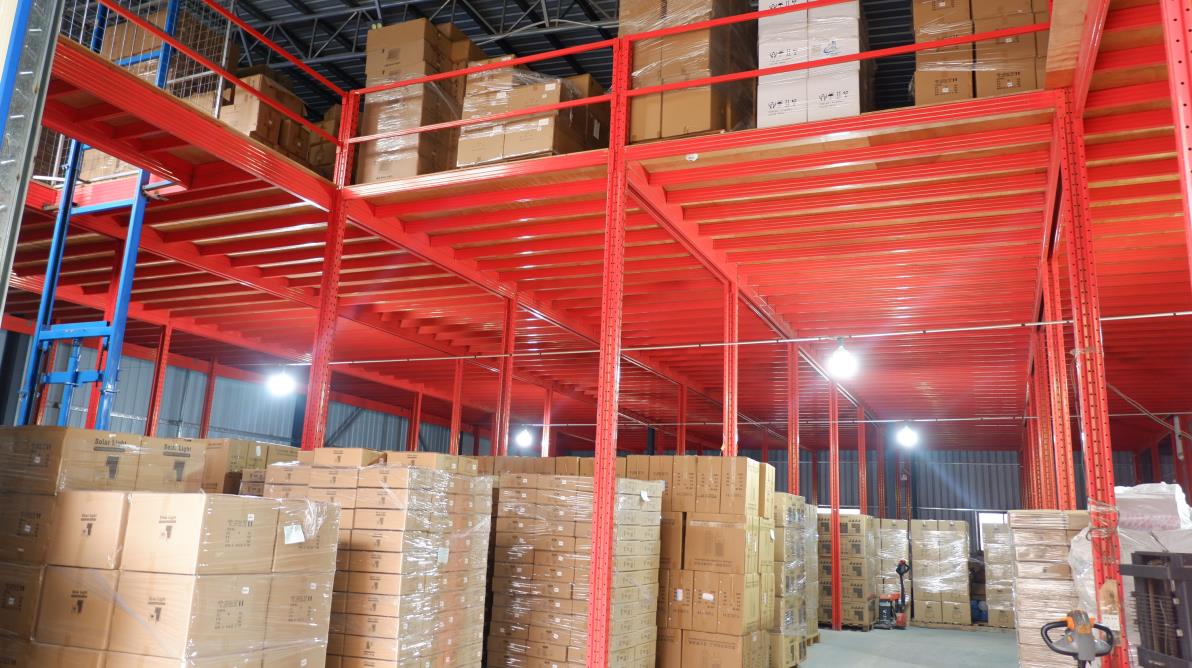
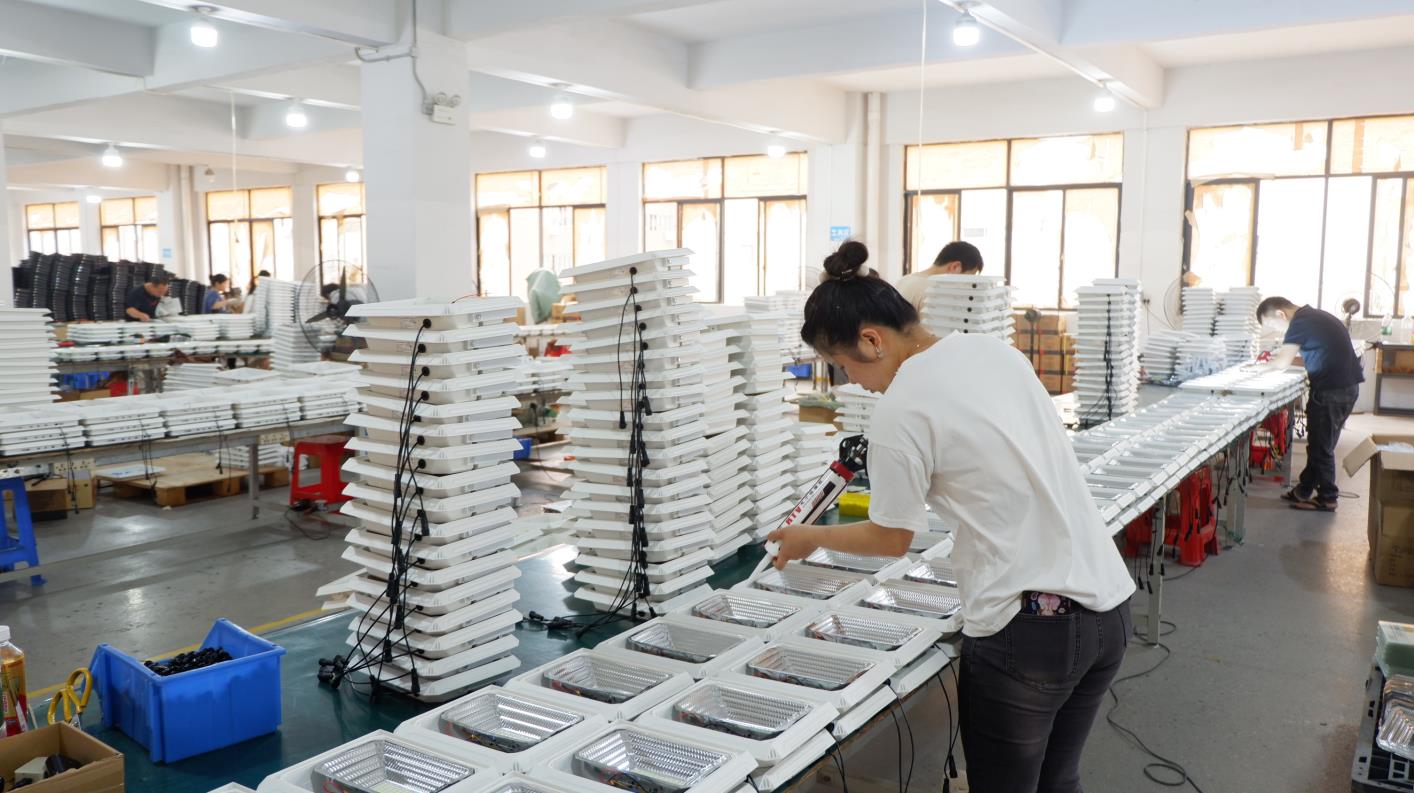
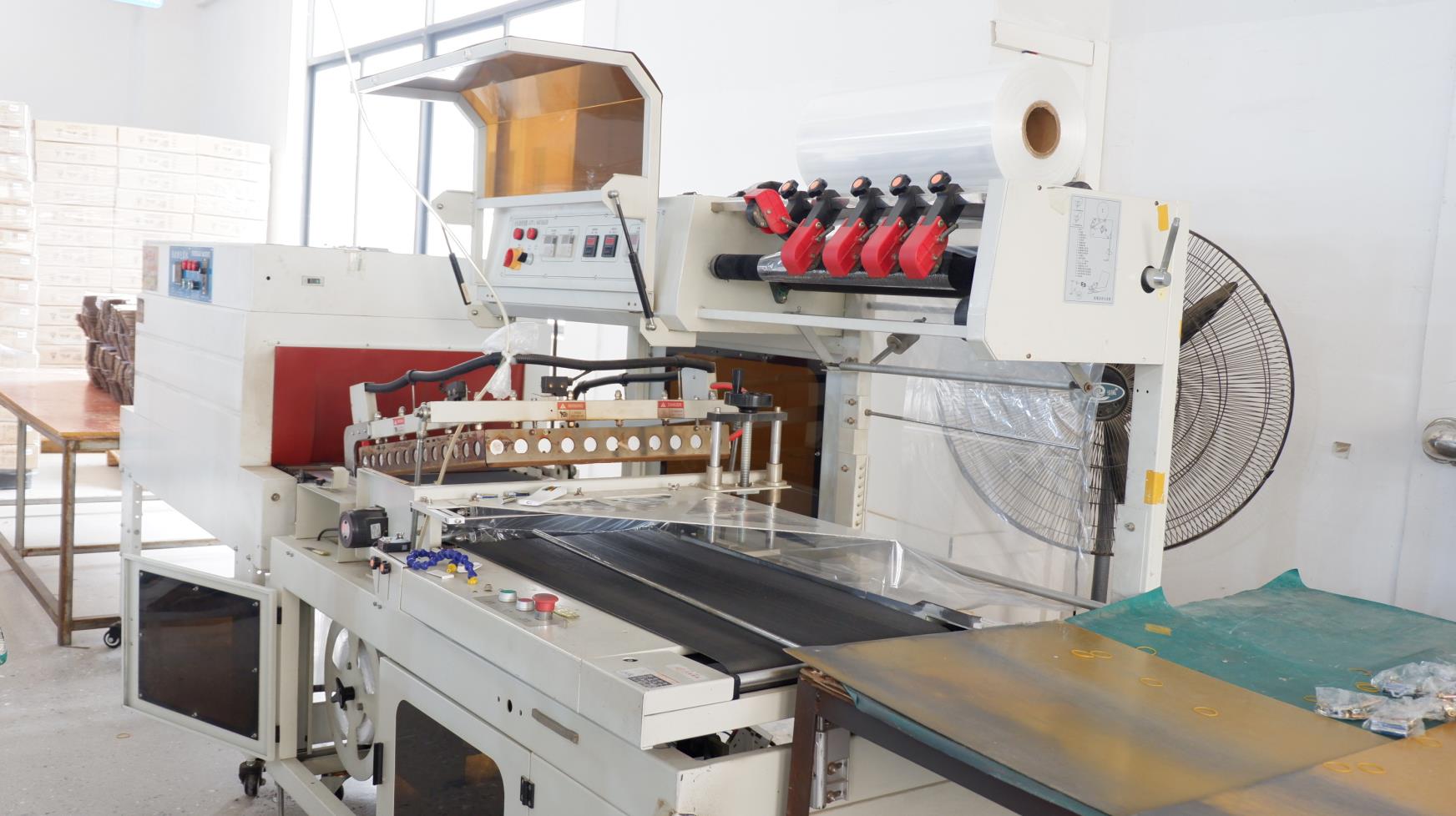
Our modern factory features advanced production equipment, high-speed automated placement machines, and a specialized team of lighting engineers and quality technicians. We prioritize precision and technical innovation, continuously enhancing product longevity to meet the evolving procurement demands of global municipal and industrial buyers. Our commitment remains focused on delivering reliable, efficient, and high-quality lighting systems, fostering trust and sustaining long-term commercial partnerships worldwide.

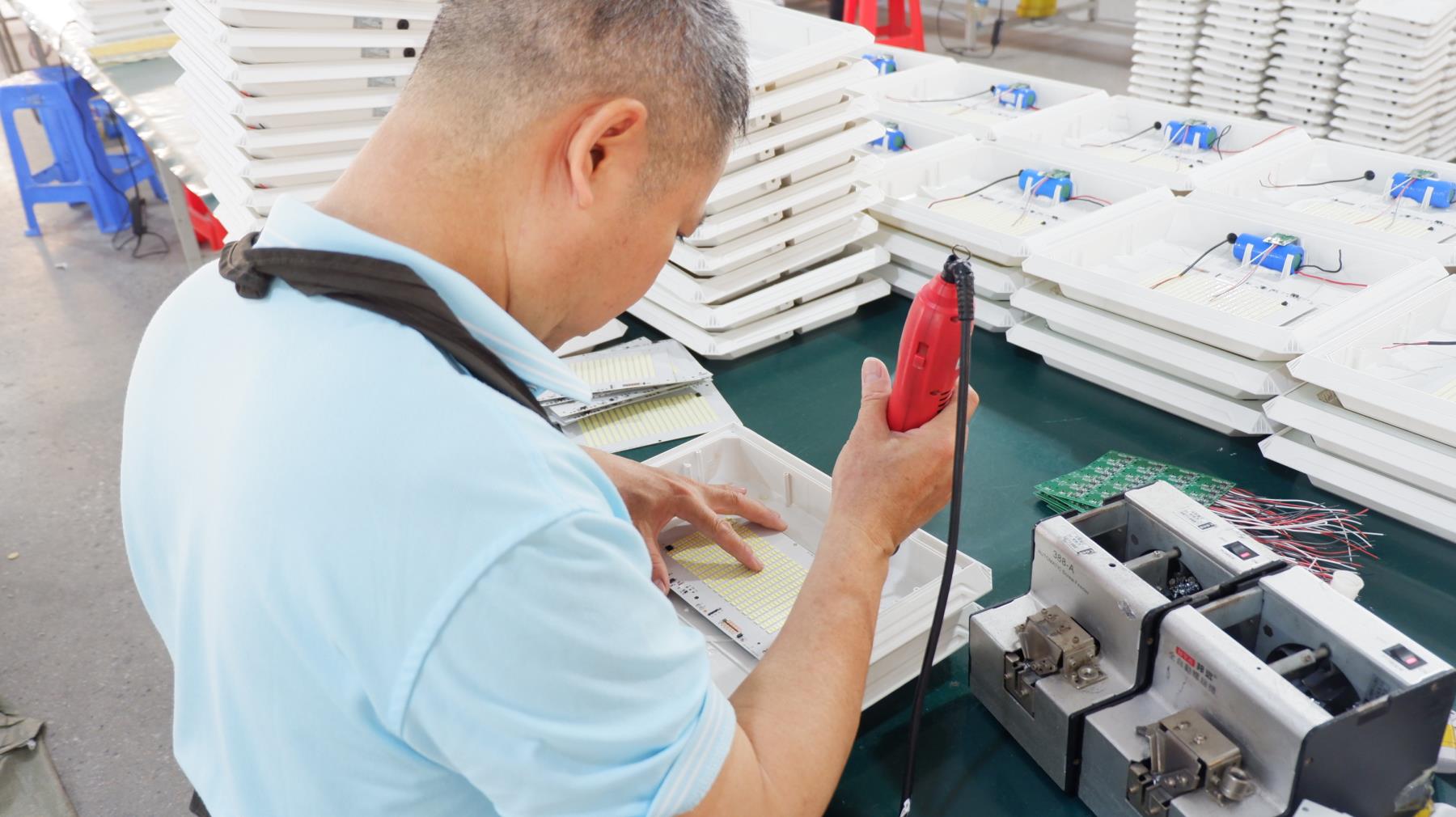

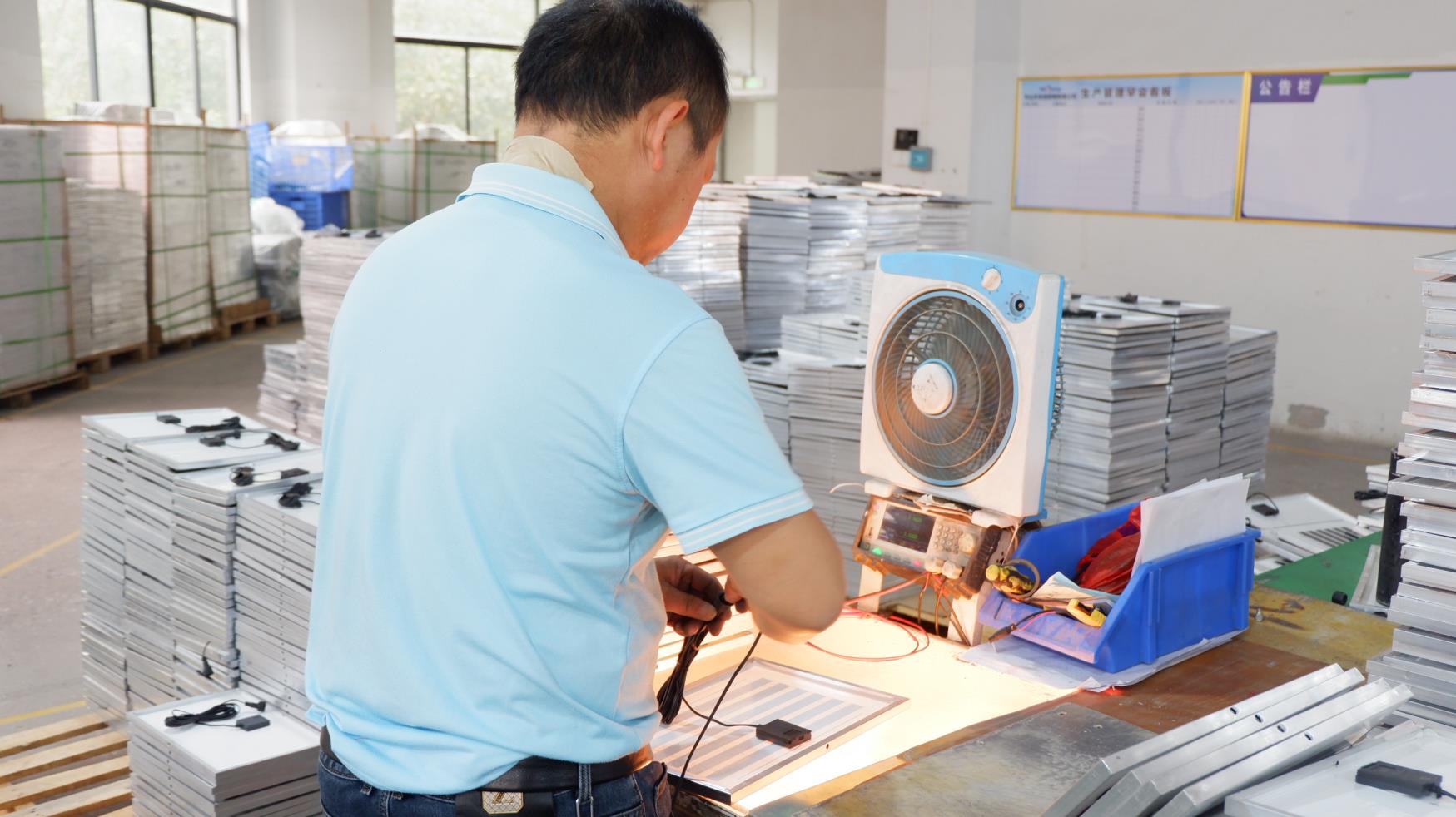
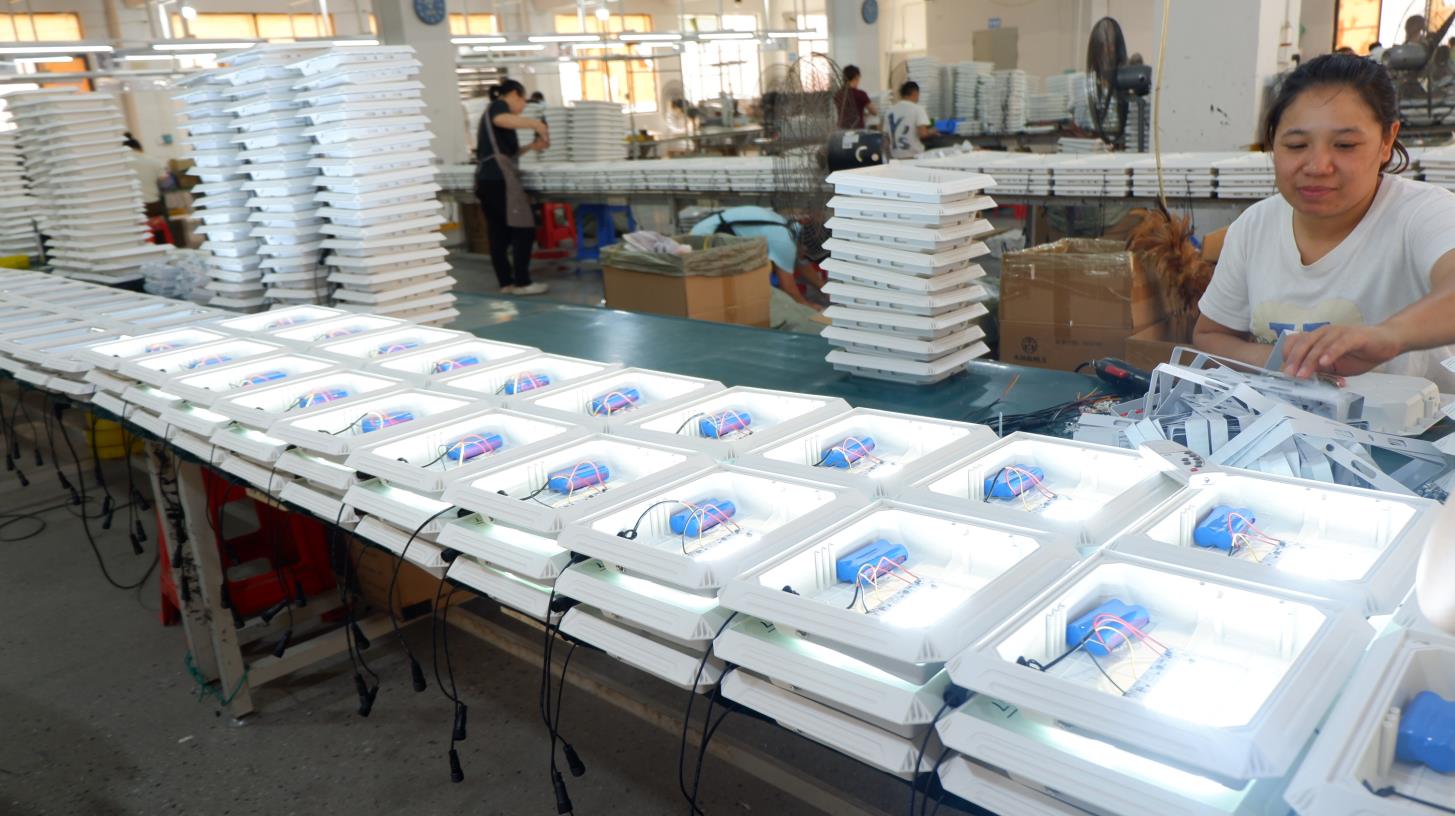
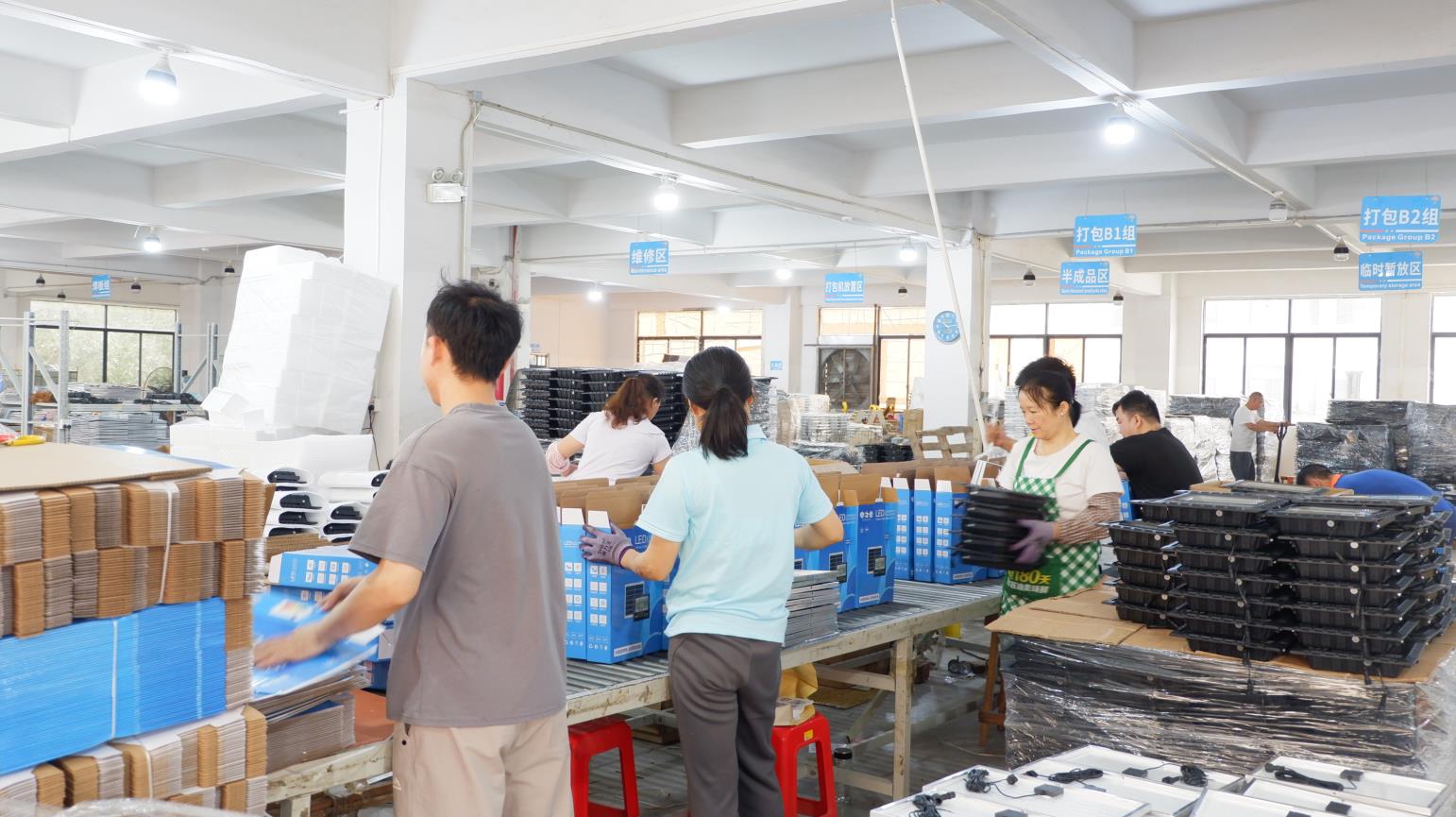

Engineered for maximum coverage, rapid illumination response, and high lumen efficiency across heavy-use commercial sites.
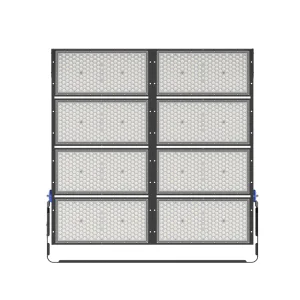
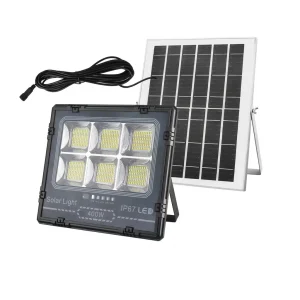
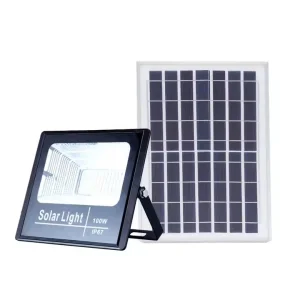
An engineer's blueprint to choosing optimal solar panels, controller logic, and LED module configuration.
Evaluating high-intensity solar lighting requires analyzing components beyond basic lumen output. Sourcing departments must investigate the specific technical architecture of the solar panel, storage cells, charging algorithm, and optical refraction design to secure maximum return on investment.
Most standard solar flood lights use either Polycrystalline (multi-crystalline) or Monocrystalline silicon cells. Our advanced series use A-grade monocrystalline silicon arrays, delivering photo-conversion efficiencies between 21% and 22.5%. This ensures that even under overcast sky conditions in northern latitudes, the system captures sufficient solar energy to fully charge the internal LiFePO4 cells during the day.
Maximum Power Point Tracking (MPPT) controllers continuously adjust voltage and current levels to deliver maximum charging power to the battery. While Pulse Width Modulation (PWM) is sufficient for smaller low-wattage units, large industrial installations require MPPT systems to maintain efficiency, particularly during transition seasons where sun angles vary widely.
| Component | Standard Commercial Specification | NexLt Premium Industrial Standard | Performance Benefit |
|---|---|---|---|
| PV Cell Type | Polycrystalline (15%–17% eff.) | Monocrystalline (21%–22.5% eff.) | Faster charge times under partial shade. |
| Battery Tech | Ternary Lithium-ion (800 cycles) | Premium LiFePO4 (3000+ deep cycles) | Longer lifespan, thermal stability. |
| Controller | Standard PWM Controller | Intelligent MPPT Controller | Boosts efficiency by 30% in overcast weather. |
| Housing | Polycarbonate / Standard ABS Plastic | Die-Cast ADC12 Aluminum + Powder Coat | Higher impact strength and heat dissipation. |
Our flood light configurations use precise multi-angle optical PMMA lenses (typically 120° x 90° or 270° wide beam angles) rather than simple flat glass covers. This refraction control distributes light evenly across the target surface, reducing glare and minimizing light pollution while maximizing lateral beam throw.
Every lighting system undergoes rigorous component verification to ensure reliable output in demanding conditions.
Radar motion sensors register movement up to 12 meters away at a wide angle. Light levels adjust dynamically from 30% idle mode to 100% full brightness, optimizing battery life.
Utilizes professional-grade polyurethane seal gaskets and high-tolerance heat shrinking processing, ensuring robust protection against driving rain, dust storms, and snow load.
Engineered with heavy-duty ADC12 die-cast aluminum heat sinks. Aerodynamic convection cooling channels prevent thermal buildup, maintaining low LED junction temperatures.
Navigating global electrical directives and transport frameworks for hassle-free supply chains.
Sourcing commercial solar equipment requires strict verification of safety and environmental standards. As a premier exporter, Jiangmen NexLt Light Co., Ltd. ensures that all shipments comply with regional regulations, including the European CE directive, RoHS hazardous material bans, and Korean KC safety certification. This compliance prevents customs delays and ensures smooth project sign-offs.
Because Lithium Iron Phosphate (LiFePO4) batteries are classified as Class 9 Dangerous Goods, shipping requires compliance with strict safety standards. Every battery batch undergoes UN38.3 testing to verify structural integrity under altitude simulation, impact, overcharge, and thermal testing, facilitating safe air and sea freight logistics.
Our logistical pipeline from manufacturing to international shipping channels provides complete tracking and trace documentation: certificates of origin, MSDS reports, CE/RoHS verification certificates, and comprehensive test reports for every batch.
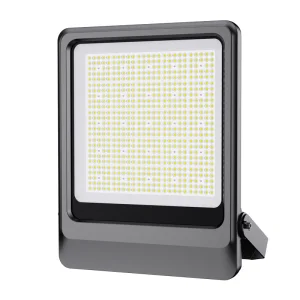
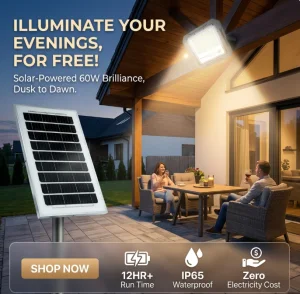
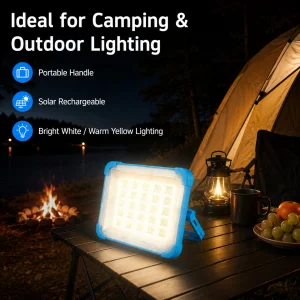
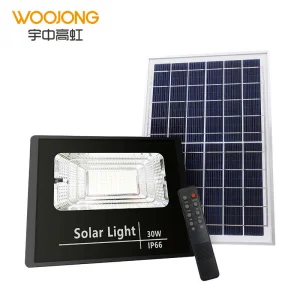
Explore our complete range of high-performance solar flood lights and architectural projectors tailored for global applications.
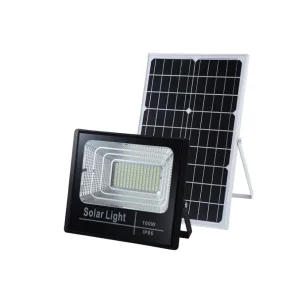
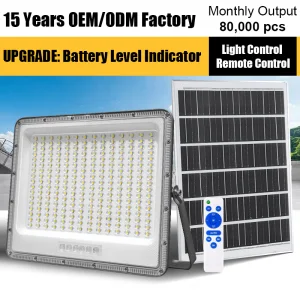
Expert answers addressing configuration, shipping, battery lifecycle, and warranty details.
 NexLt Light