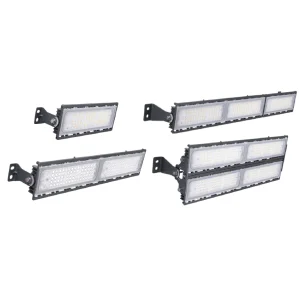
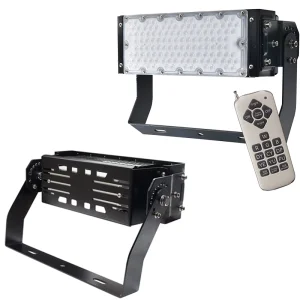
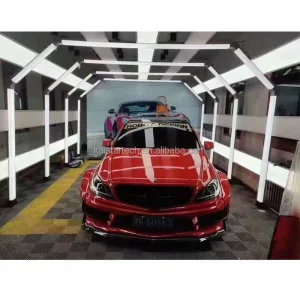
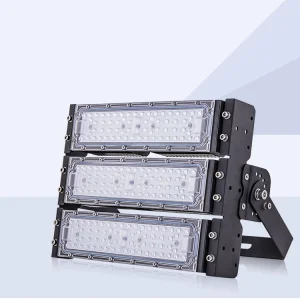
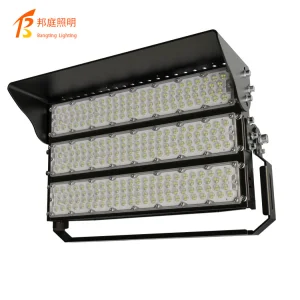
Engineered to withstand extreme relative humidity, voltage spikes, and physical soot deposits inside high-altitude tunnels such as the Túnel de la Línea, the Túnel de Oriente, and the Toyo concession routes. These flagship systems feature high-performance drivers and specialized asymmetric optics.
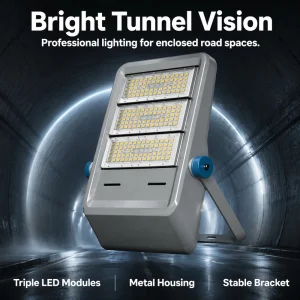
Colombia’s rugged geography, dictated by the three cordilleras of the Andes (Western, Central, and Eastern), poses massive logistical hurdles for road transport. Connecting key agricultural hubs, industrial cities like Medellín, Cali, and Bogotá, and maritime ports like Buenaventura and Cartagena requires massive road engineering feats. To optimize freight shipping times and improve national security, the Agencia Nacional de Infraestructura (ANI) and the Instituto Nacional de Vías (INVIAS) have accelerated the 4G (Fourth Generation) and 5G (Fifth Generation) road concessions.
These concessions include some of the longest and most complex vehicular tunnels in South America. For example, the Túnel de la Línea spans over 8.6 kilometers, traversing the Central Cordillera, while the under-construction Túnel del Toyo (Guillermo Gaviria Echeverri) in Antioquia will reach a staggering length of 9.73 kilometers upon completion. Illuminating these subterranean networks is not merely a matter of safety; it is an engineering challenge governed by strict domestic energy efficiency regulations, microclimatic conditions, and economic viability constraints.
As a leading exporter and manufacturer of specialized road and public lighting systems, Jiangmen NexLt Light Co., Ltd. provides customized solid-state LED systems optimized specifically for Colombia's geographic variables. High elevation, tropical relative humidity, and heavy sulfur emissions from industrial cargo fleets require a rigorous design approach that exceeds typical off-the-shelf industrial lighting parameters.
All public lighting projects in Colombia must comply with the Reglamento Técnico de Iluminación y Alumbrado Público (RETILAP). This framework establishes technical standards to prevent safety hazards, limit light pollution, and guarantee energy conservation. For developers, concessionaires, and contractors, ensuring that imported LED luminaires possess official RETILAP certification is a strict prerequisite for project sign-off.
In vehicular tunnels, RETILAP guidelines prioritize visual comfort, glare restriction, and luminance control to prevent the dangerous "black hole effect" at tunnel portals. This phenomenon occurs when a driver's eyes, adapted to the high ambient luminance of Colombian daylight (often exceeding 100,000 lux in the Andean highlands), cannot adjust quickly enough to the dark interior of the tunnel. To counter this, RETILAP dictates specific lighting levels across distinct tunnel sections:
NexLt’s tunnel lighting arrays utilize premium optical designs with tailored asymmetric distribution patterns. By focusing the light output directly onto the road surface and concrete sidewalls, we achieve exceptionally high longitudinal uniformity (UI ≥ 0.8) and minimize glare (TI < 15%).
Furthermore, all our driver configurations comply with the harmonic distortion thresholds (THD < 10%) and Power Factor (>0.95) standards demanded by local utility networks like Codensa, EPM, and Celsia, preventing parasitic loads and voltage drops on long rural distribution circuits.
Operating industrial electronics in South American tropical climates is notoriously challenging. Vehicular tunnels in regions like Antioquia (Medellín), Valle del Cauca (Buenaventura corridor), and Cundinamarca are subject to severe environmental factors that can accelerate standard LED failure rates within 12 to 18 months if the hardware is not custom-engineered.
Colombia’s freight corridors are dominated by heavy-duty diesel trucks. The slow climb up steep inclines produces highly concentrated exhaust emissions (soot, CO, NOx, SO2). When combined with humidity, this soot forms an acidic film on luminaire glass. NexLt structures are built with marine-grade 6063-T5 extruded aluminum with custom electrophoretic powder coatings, preventing chemical pitting and maintaining thermal dissipation.
Relative humidity inside Colombian tunnels frequently exceeds 95%. Standard housings will draw moisture inward as they heat up and cool down. To resolve this, NexLt units feature a professional double-compartment design (separating driver and LEDs) with integrated waterproof venting valves. This design balances pressure inside the housing and prevents moisture ingress, guaranteeing a true IP66 rating.
Tunnels like the Alto de Letras sit above 3,000 meters. High altitude results in thinner air, reducing the efficiency of natural convective cooling. Without proper thermal engineering, LED junction temperatures will spike, degrading light output. NexLt engineers calculate this thermal offset by using larger, thicker heat-dissipating ribs, ensuring the LED junction remains below 75°C even at high altitudes.
Standard tunnel lighting operates continuously at full capacity, leading to excessive energy waste during nighttime hours. In modern Colombian concessions, energy-saving smart control systems are mandatory. NexLt provides intelligent, dimmable LED systems that integrate seamlessly with your tunnel’s SCADA (Supervisory Control and Data Acquisition) infrastructure.
By deploying DALI-2 (Digital Addressable Lighting Interface) or DMX512 control protocols, our systems dynamically adjust their output based on external ambient lighting levels. During bright afternoons, the entrance zones dim up to maximum capacity; at night, they automatically scale down to save power. This real-time scaling reduces your carbon footprint and extends the lifespan of internal drivers and LED modules.
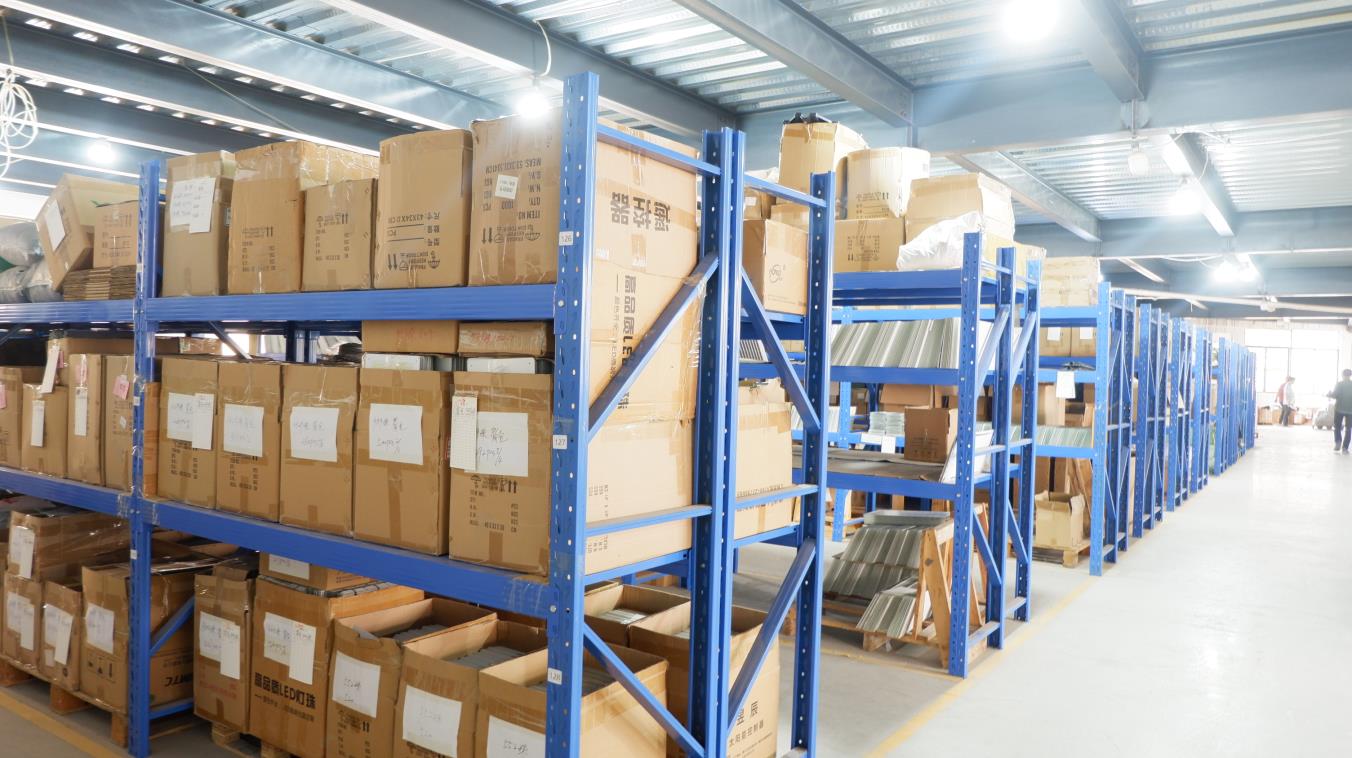
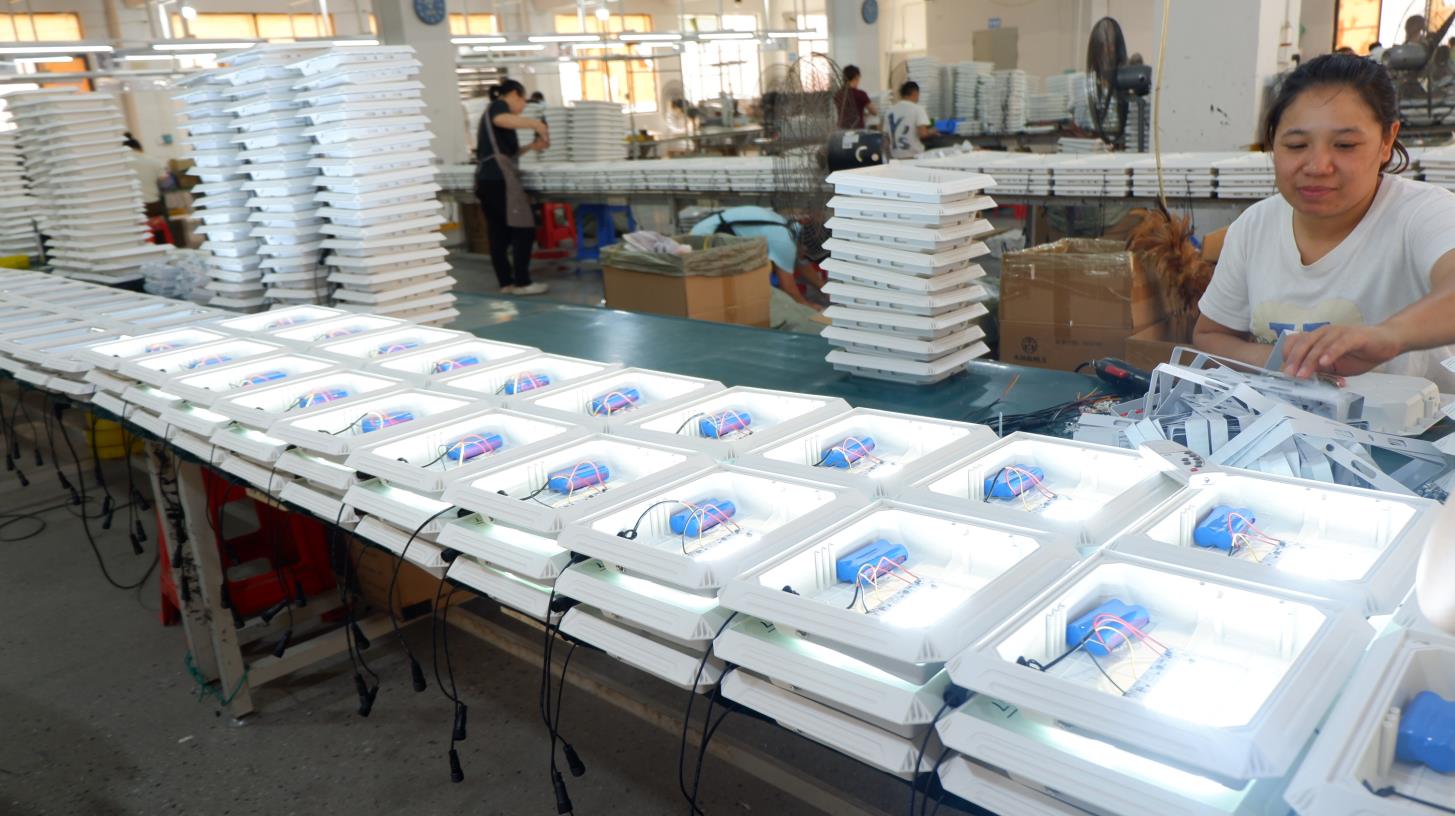
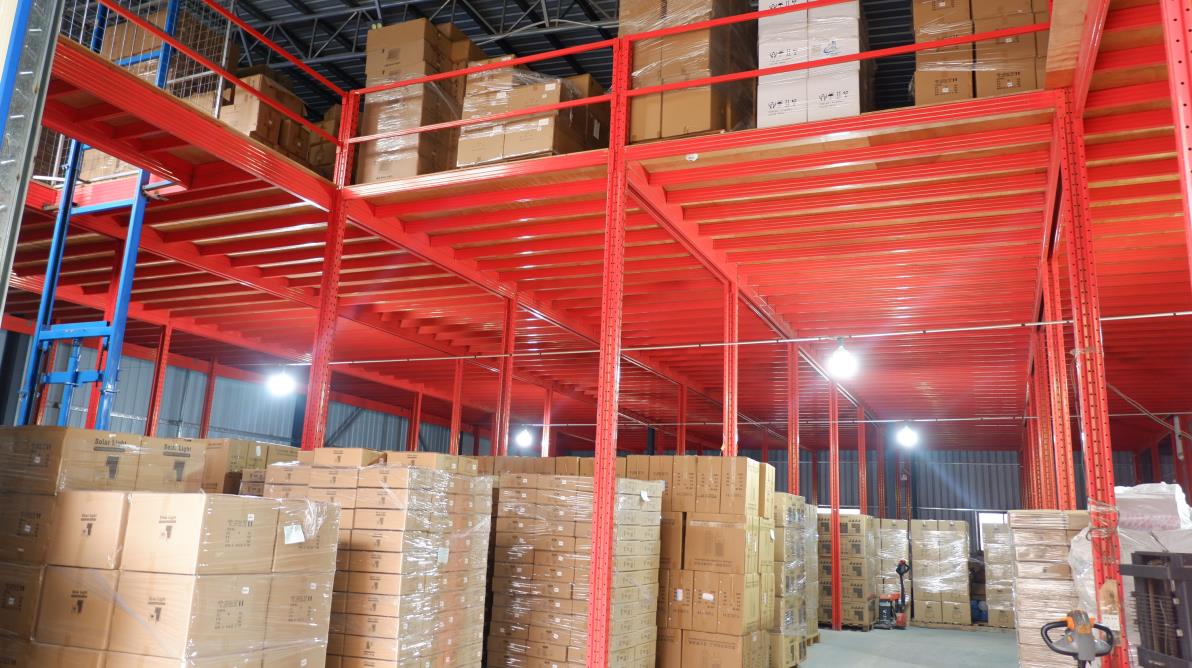
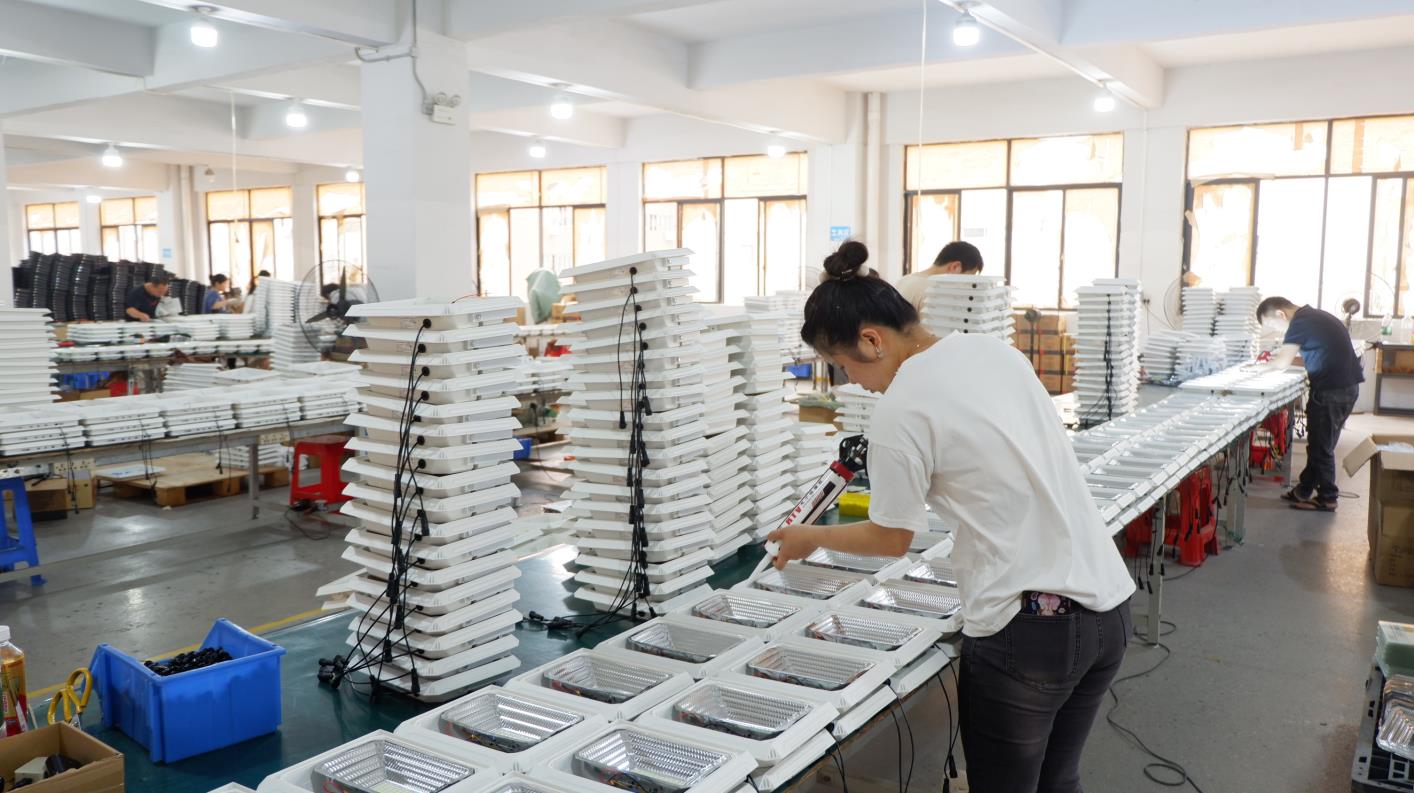
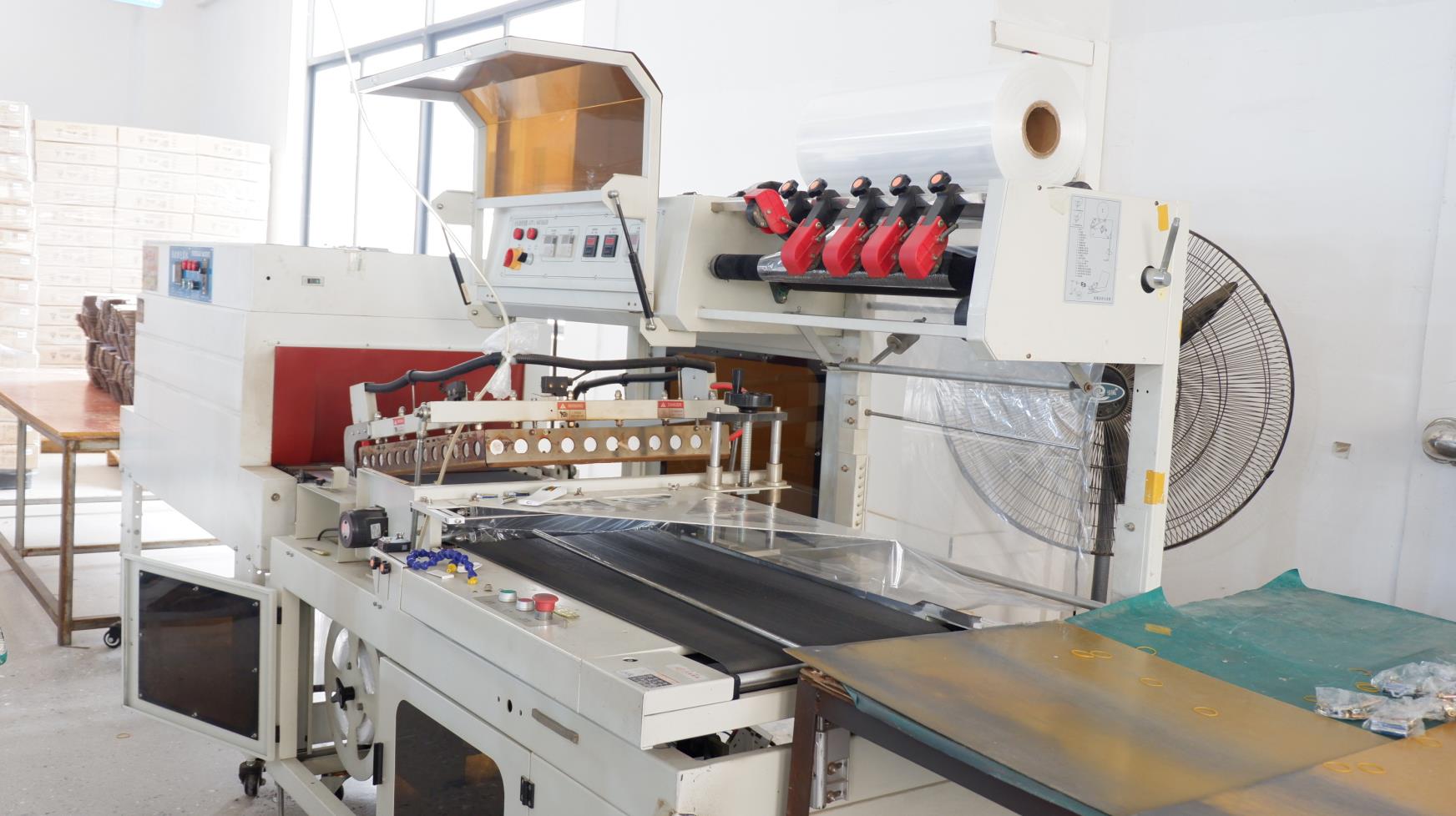
At Jiangmen NexLt Light Co., Ltd., quality is the cornerstone of our global operations. Our modern manufacturing facility is equipped with automated assembly lines, precision gluing machines, and high-performance testing chambers to ensure that every fixture shipped to Colombia meets international industrial standards.
Our professional technical team consists of experienced engineers and lighting specialists with over 12 years of research and development experience in the lighting industry. We combine deep industry knowledge with innovative design capabilities to deliver high-performance products. Our strict quality control processes cover every phase of production, from raw material inspection to the final burn-in tests.






When sourcing LED tunnel lighting from international manufacturers, Colombian engineering consortiums (consorcios) and EPC contractors must evaluate more than just the initial purchase price. The Total Cost of Ownership (TCO) should consider maintenance overhead, operational energy costs, and shipping logistics.
Here are key procurement metrics that NexLt recommends prioritizing during your tender phase:
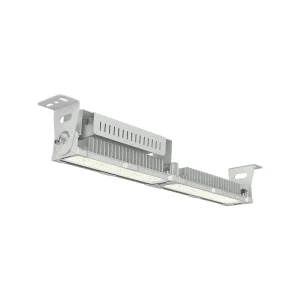
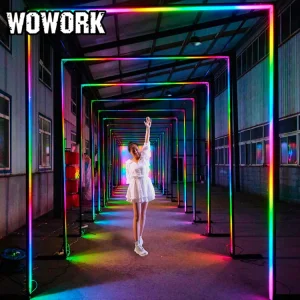
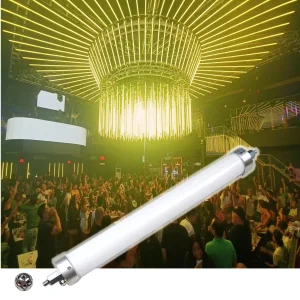
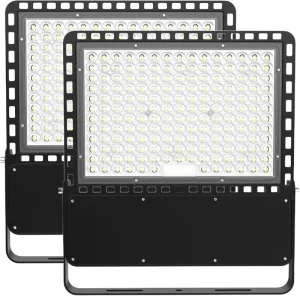
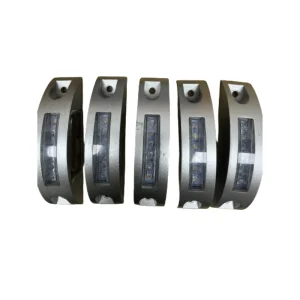
Explore our full range of public, commercial, and industrial lighting solutions. These items are designed for diverse applications, from high-lumen workshop bays to custom architectural highlights and highway safety markers across Colombia.


 NexLt Light