Explore our leading selection of energy-efficient, robust outdoor light fixtures configured to meet international architectural, commercial, and industrial standards.
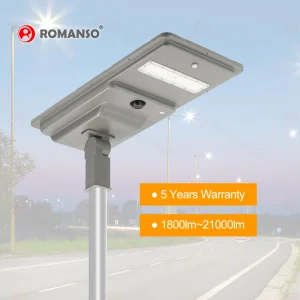


As governments, municipalities, and global enterprises move to meet stringent Net-Zero carbon targets, outdoor lighting infrastructure has evolved from a basic municipal requirement into a high-stakes arena for energy conservation. LED solar path lights have transitioned from aesthetic residential garden decorations to vital, grid-independent architectural and security installations.
Today's procurement strategies prioritize architectural durability, high conversion efficiency, and long lifecycle storage. Modern commercial pathway lighting must withstand extreme environments—ranging from the high-temperature, high-UV environments of the Middle East to the freezing temperatures of Scandinavian winters. Achieving this level of reliability requires a deep understanding of solar physics, semiconductor efficiency, and robust materials engineering. By utilizing high-grade monocrystalline silicon and LiFePO4 battery chemistries, developers can achieve up to 10-15 years of uninterrupted system lifetimes, providing substantial savings on lifecycle installation and maintenance costs.
In commercial projects, specifying pathway lighting involves navigating local building codes, dark-sky compliance, and structural wind load calculations. B2B buyers must partner with manufacturers that do not simply assemble off-the-shelf components, but instead mathematically model the solar radiation index (kWh/m²/day) of the target destination to ensure reliable all-night illumination even during extended overcast periods.
Our manufacturing facility in Jiangmen, Guangdong, leverages automated assembly lines, high-precision machining, and multi-stage testing facilities to ensure each luminaire meets strict international standards. Our manufacturing process covers the entire product lifecycle from premium raw materials to finished products:
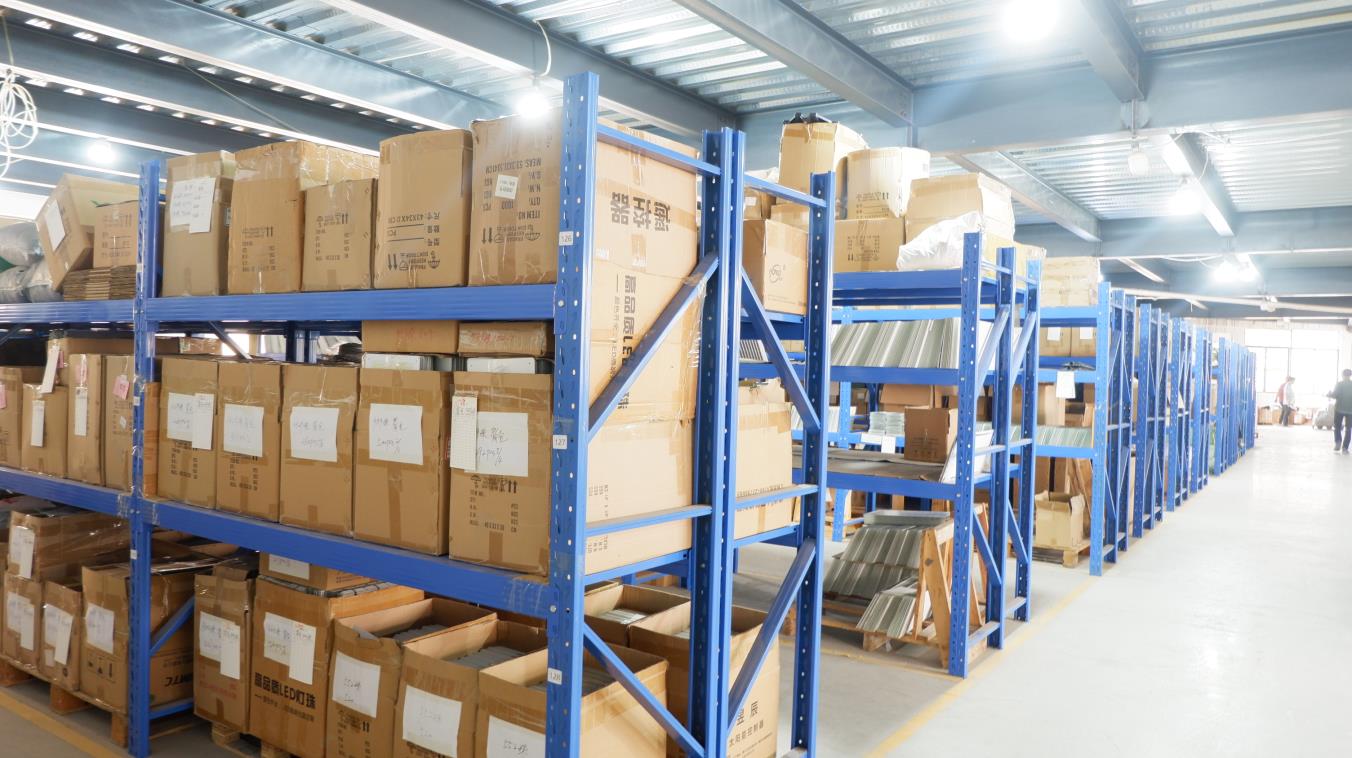

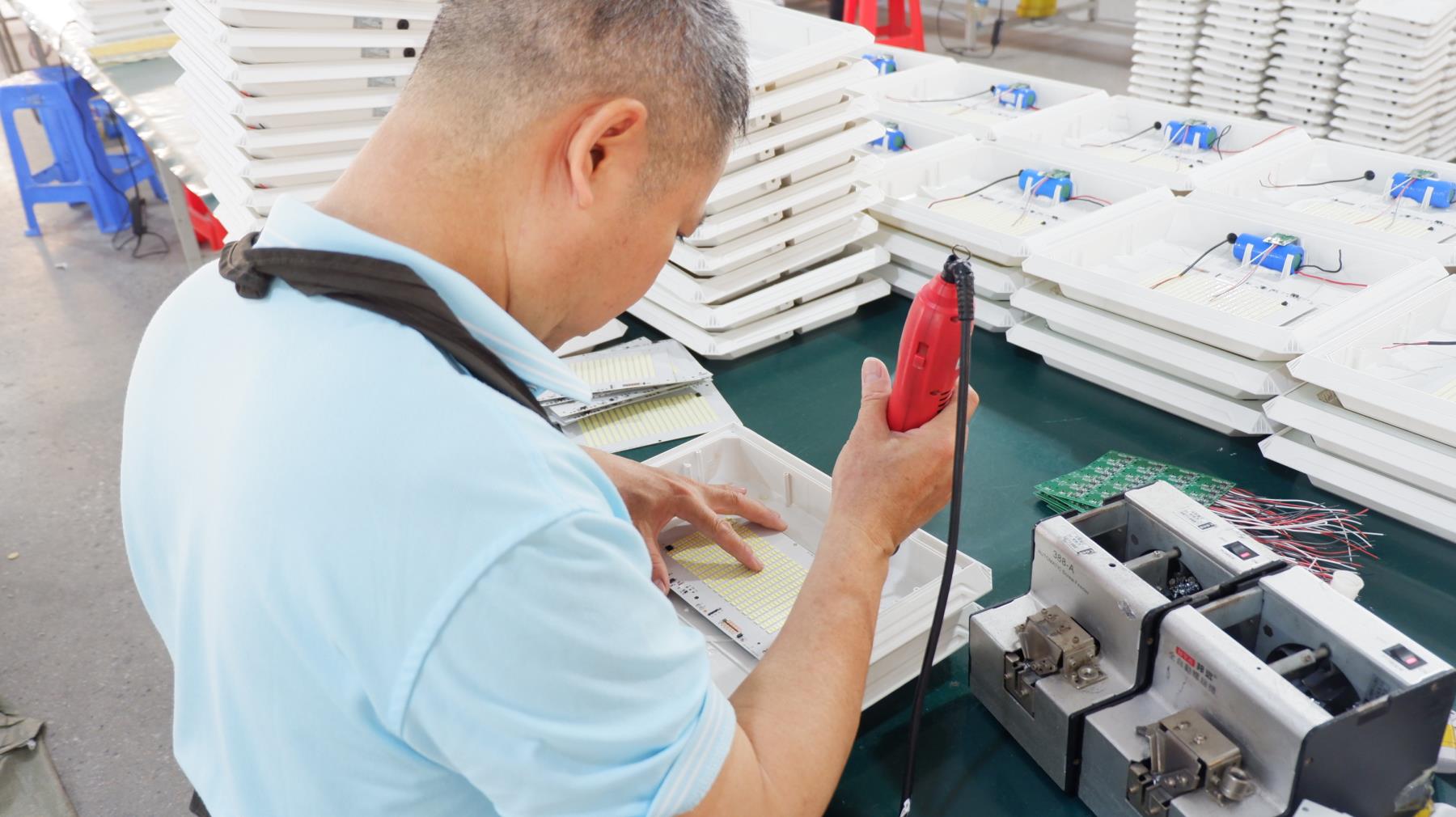


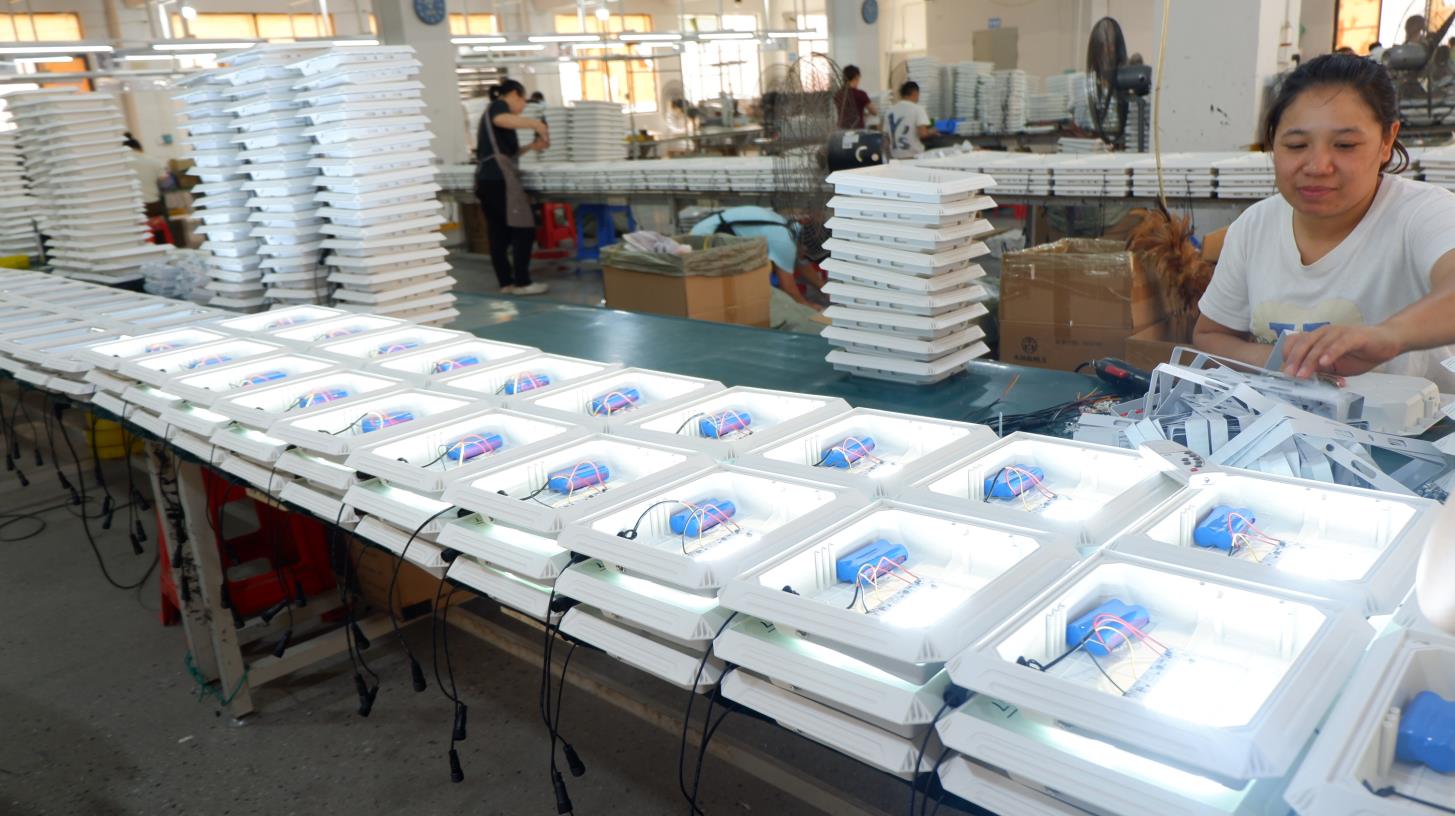
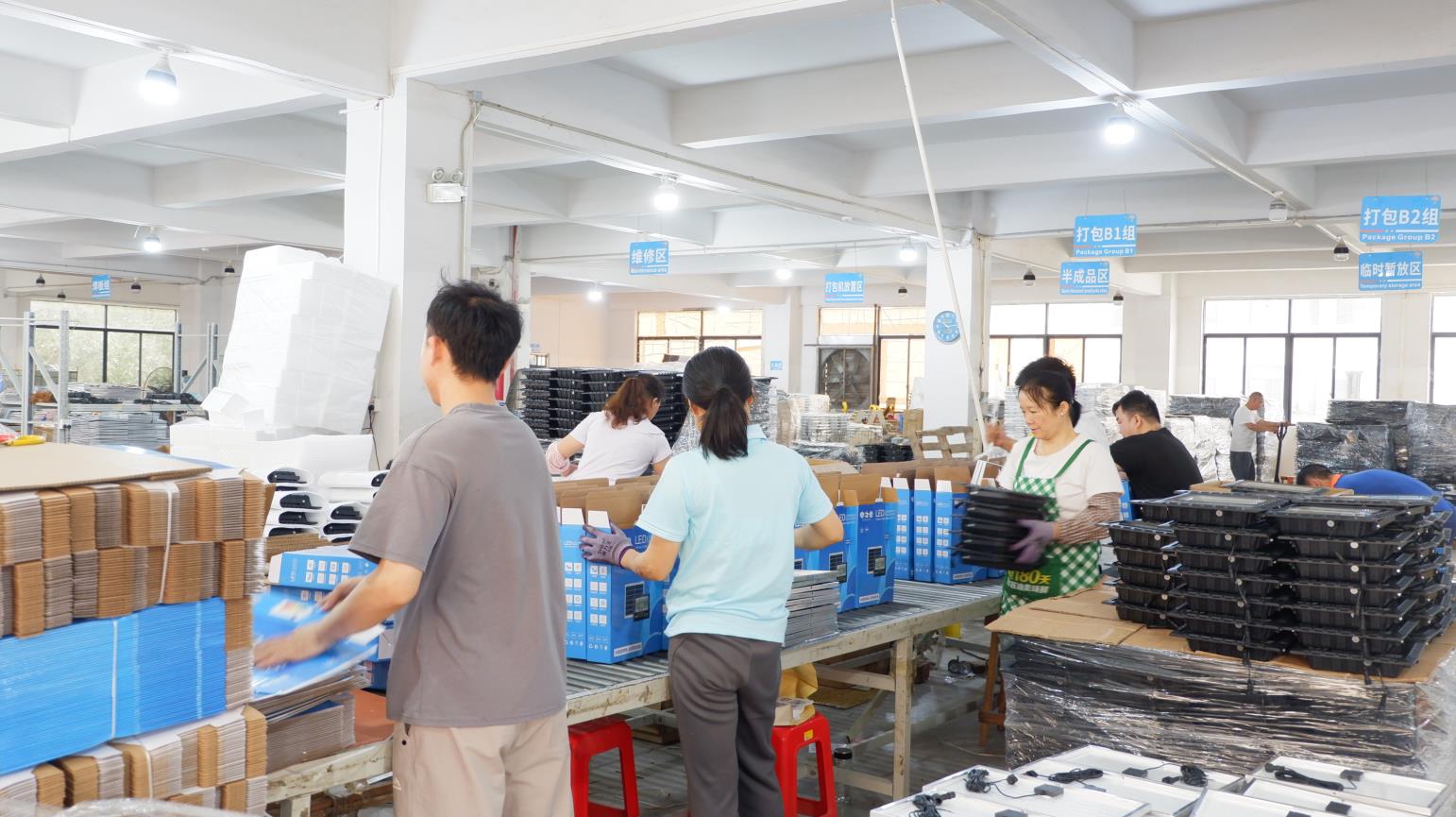
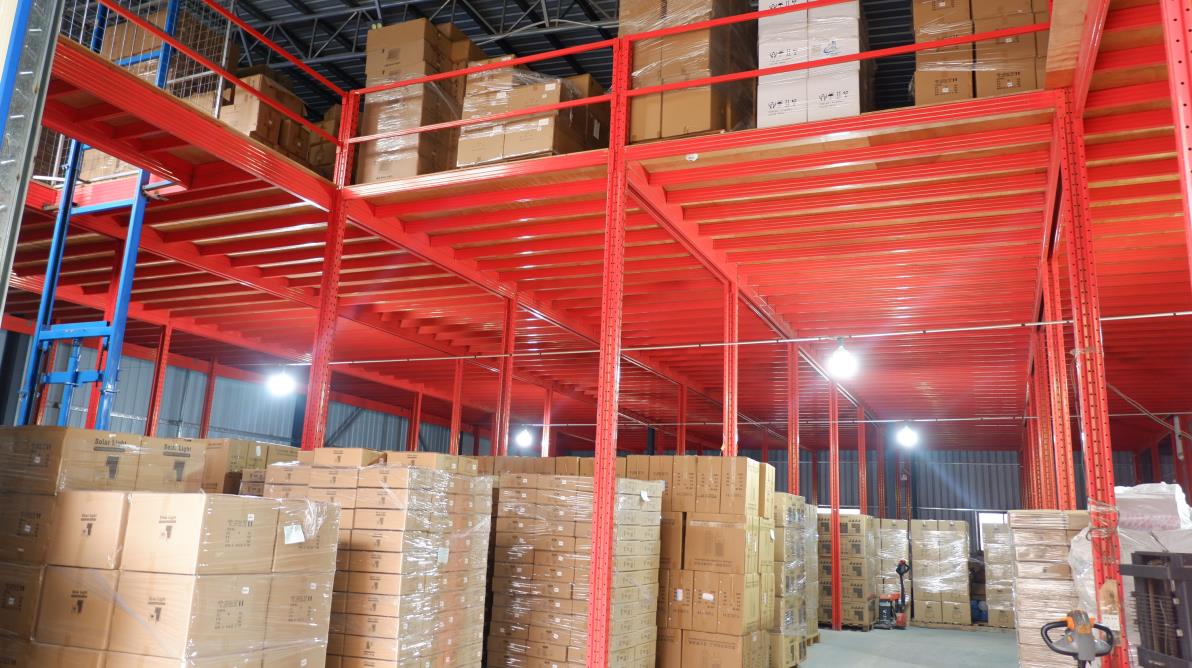
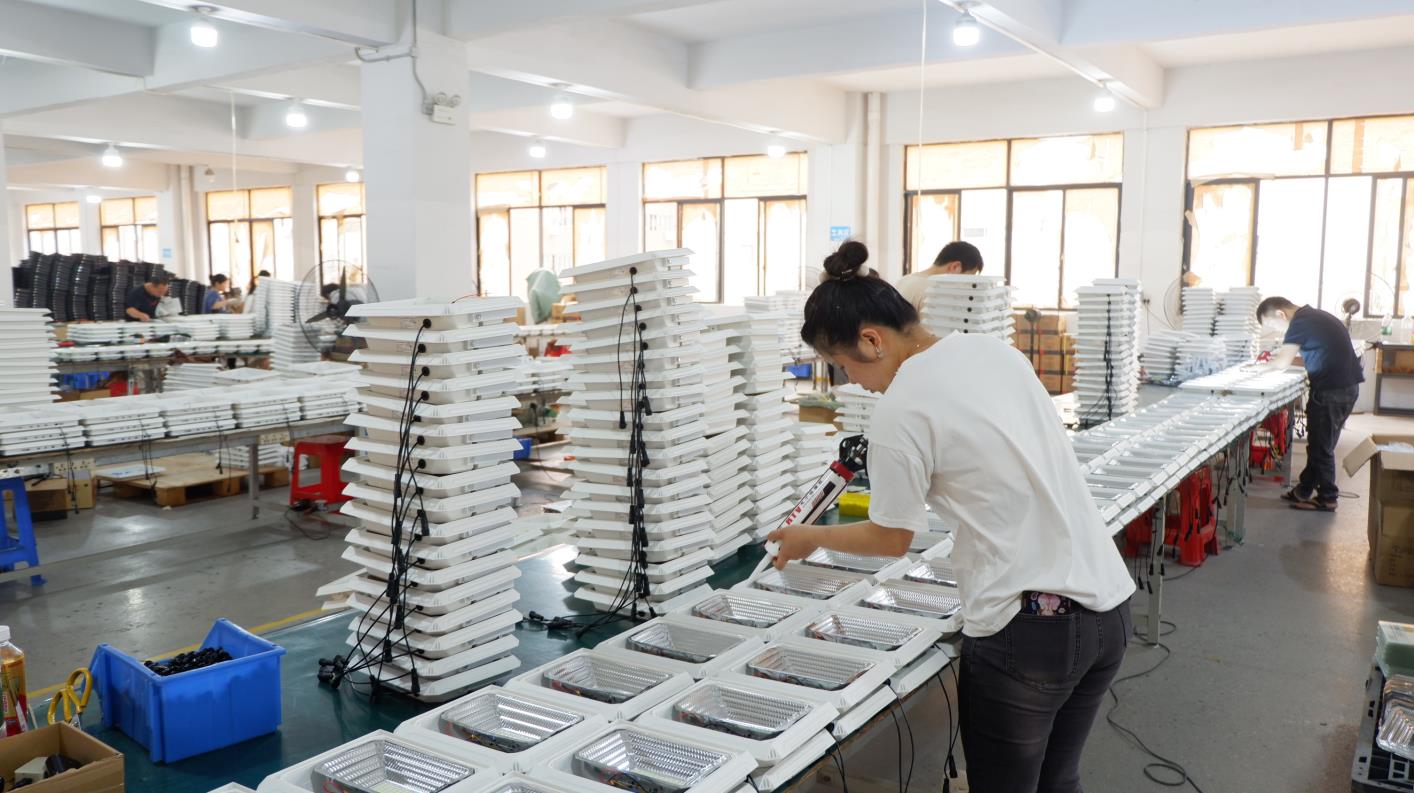

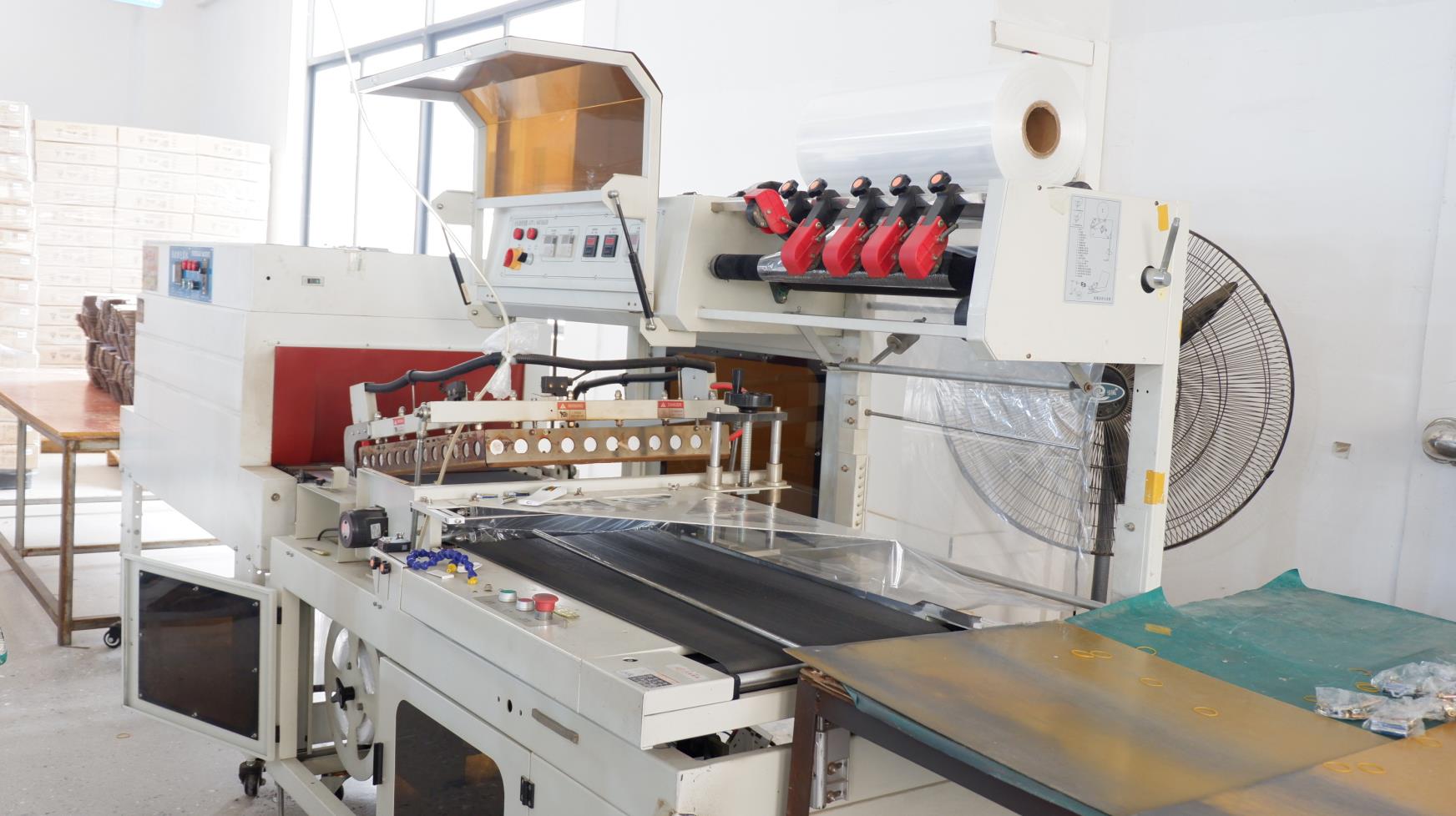
Our manufacturing facility is located in Jiangmen City, a key industrial cluster in China's Guangdong-Hong Kong-Macao Greater Bay Area. This strategic location offers unique supply chain integrations that directly translate to quality and cost efficiency for global buyers.
Jiangmen's specialized industrial ecosystem allows us to source raw materials, execute custom aluminum alloy die-casting, and utilize high-capacity surface mount technology (SMT) for LED drivers and controllers within a tight geographic radius. This minimizes logistics latency, reduces handling costs, and enables rapid iteration of custom designs. By streamlining production, we can rapidly move custom products from design concept to container loading.
We provide comprehensive adjustments to meet specific project demands, including fine-tuning luminous flux, customizing battery sizing, and creating tailored product designs.
Our facility utilizes automated component placement and high-speed robotic gluing lines to reduce human error and ensure reliable output volumes.
Our core engineering team brings over 12 years of specialized lighting research and development experience, guiding designs from blueprints to global certifications.
Off-the-shelf pathway lighting configurations often fail in harsh local environments. Commercial landscape projects require targeted engineering adjustments. We optimize our solar lighting systems for specific geographical applications:
In sub-zero temperatures, standard Lithium batteries can suffer from charging degradation and capacity loss. To address this, NexLt integrates low-temperature tolerant LiFePO4 battery options, complete with custom battery management system (BMS) heating pads. These pads draw warmth from the solar collector during daylight hours to ensure the storage unit charges efficiently in cold environments.
Oceanfront promenades and coastal pathways present severe challenges, including salt-mist corrosion and high humidity. We construct our pathway light structural housings using low-copper ADC12 die-cast aluminum. This is finished with an AkzoNobel thermosetting powder coating and secured with marine-grade 316 stainless steel fasteners, ensuring excellent resistance to atmospheric corrosion.
High ambient temperatures in desert regions can accelerate solar cell aging and lead to battery overheating. We counter this by integrating smart Maximum Power Point Tracking (MPPT) controllers with built-in thermal derating curves. This allows the system to adjust input currents as temperatures rise, preventing battery overheating and ensuring long-term performance.
At Jiangmen NexLt Light Co., Ltd., we combine technical innovation with comprehensive testing to deliver robust, energy-efficient commercial lighting systems.
Here are detailed answers to key technical and logistical questions from distributors, design professionals, and procurement managers.
Monocrystalline panels offer conversion efficiencies between 19% and 22.5%, compared to 15% to 17% for polycrystalline options. This higher efficiency allows the path light to generate more energy from a smaller surface area, which is essential for compact, clean architectural designs.
Monocrystalline cells also perform better in diffuse, low-light conditions (such as overcast skies) and degrade more slowly over time, maintaining higher output over a 15-year period.
Our commercial-grade path lights utilize Lithium Iron Phosphate (LiFePO4) chemistry instead of standard ternary lithium (NMC) or lead-acid batteries. LiFePO4 batteries deliver up to 3,000 to 6,000 charge cycles at 80% Depth of Discharge (DoD), compared to only 500-1,000 cycles for NMC batteries.
LiFePO4 is also chemically stable, eliminating thermal runaway risks, and performs reliably across a broad temperature range (-20°C to +65°C).
Our systems combine high-efficiency solar modules, deep-capacity batteries, and smart controllers. Using Maximum Power Point Tracking (MPPT) technology, the controller optimizes battery charging during low-light hours.
Additionally, we program the controller with intelligent power dimming profiles. By utilizing motion sensors and slowly dimming light output when no activity is detected, our lights can maintain illumination through 3 to 5 consecutive overcast days.
For coastal projects, we use low-copper ADC12 die-cast aluminum housings treated with anti-corrosion primers and architectural polyester powder coatings. Internal components are sealed with polyurethane gaskets to meet IP66 or IP67 ratings.
Additionally, we use marine-grade 316 stainless steel hardware and apply conformal coatings to the internal driver PCBs to protect them from high humidity and salt-laden air.
We offer wide-ranging customization, including adjustments to housing dimensions, mounting brackets, optical distributions, and CCT options (from warm 2700K to cool 6000K). We can also adjust driver configurations, battery capacities, and solar panel orientations to match local solar radiation profiles.
Branding options include laser-engraving logos directly onto the aluminum housings and custom-designed product packaging.
We implement a multi-stage testing process: all incoming materials are inspected, solar panels undergo EL testing to identify micro-cracks, and completed assemblies are tested on automated gluing lines to verify weather seals.
Every batch is subjected to a minimum 24-to-48-hour continuous burn-in and thermal cycling test. Before shipping, we perform final photometric tests to ensure consistent color temperatures and lumen outputs.
For standard configurations, production lead times range between 20 and 30 days. Custom OEM orders requiring structural design adjustments or unique molds typically require 35 to 50 days, which includes structural analysis, prototyping, and final verification.
We work closely with clients during the design phase to coordinate timelines and streamline shipping preparations from local ports in Shenzhen or Guangzhou.
Our products are designed and manufactured to meet global compliance standards. Depending on the product line, we hold CE, RoHS, IP65/IP66, DLC 5.0, and UL certifications.
We regularly coordinate with third-party testing labs to perform specialized testing, such as salt-spray tests, wind-load evaluations, and LM-79/LM-80 optical assessments, to satisfy local regulatory requirements.
Browse our full range of solar, commercial, and industrial lighting systems built to deliver reliable performance in demanding environments.
 NexLt Light