Engineered to deliver industry-leading lumens-per-watt ratios, outdoor ruggedness, and complete certification compliance.
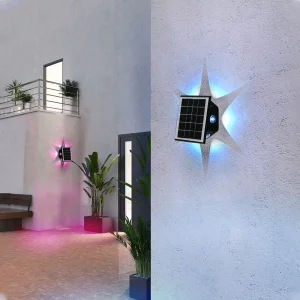
Unlocking the physics of aesthetic emulation, driver topology, thermal management, and regulatory compliance.
In the contemporary architectural and interior lighting industry, the transition from traditional incandescent candle light sources to solid-state lighting (SSL) technologies represents a major leap in energy efficiency. However, this transition introduces complex physical and electronic challenges. Decorative light fixtures—particularly luxury chandeliers, vintage wall sconces, and historic preservation light setups—rely heavily on the visual qualities of a true flame or clear vacuum glass bulb. To meet this demand, CE Certified LED Candle Lights have evolved to merge classical aesthetics with advanced thermal and driver topologies, providing an authentic 360-degree light distribution without sacrificing reliability.
From an engineering perspective, maintaining high luminous efficacy (lm/W) inside an extremely compact glass envelope (typically C35, C37, or B35 bulb outlines) requires deep thermal management integration. Standard LED candle bulbs have minimal surface areas for heat dissipation. As a result, professional manufacturers now utilize inert heat-dissipating gases, such as helium, filled inside a hermetically sealed glass housing. This setup effectively transfers heat from the LED filament junctions to the external glass surface. Crucially, the internal driver must be highly miniaturized and configured with constant-current ICs to prevent light flicker and voltage-fluctuation-induced driver failures.
For European Union B2B importers, buying LED candle lights without verifiable CE certification is a significant business risk. CE compliance is not just a marketing claim; it requires compliance with three critical Directives:
A professional manufacturer, processor, and supplier specializing in high-performance solar and LED lighting systems.
Jiangmen NexLt Light Co., Ltd. is a leading manufacturer and supplier specializing in solar-powered projector lamps, street lamps, LED products, lighting fixtures, lamp accessories, and customized lighting solutions. We provide comprehensive OEM/ODM services, including initial industrial design, structural shell parts manufacturing, assembly, product validation, and installation support.
Equipped with advanced production machinery and staffed by highly skilled engineers, NexLt prioritizes precision and innovation. We continuously improve our processes to meet the demands of international clients. Our commitment is to deliver reliable, efficient, and high-quality lighting solutions, building strong, long-term partnerships with clients worldwide. Our dedication to excellence and professional strength has earned us recognition across the global lighting market.
Our engineering team includes experienced specialists with over 12 years of research and development experience in the lighting industry, bringing rich expertise and innovation to every project.
We offer a wide range of lighting solutions, including solar-powered projectors, LED street lamps, and commercial, industrial, and decorative indoor lighting fixtures.
We provide tailored OEM and ODM solutions to meet our clients' specific needs, from initial design concepts to high-volume manufacturing and private labeling.
Quality is the cornerstone of NexLt Light Co., Ltd. We enforce strict quality control at every production stage. Combined with our dedicated after-sales support, we guarantee reliable and long-lasting products.
We actively pursue environmentally responsible practices, including energy-efficient designs, recyclable materials, and reduced carbon emissions, contributing to a cleaner and smarter lighting industry.
Why China's supply chain ecosystem remains the global leader for commercial and architectural LED light manufacturing.
Global procurement specialists understand that sourcing products like LED candle lights is not just about unit costs. It relies on the strength of the surrounding industrial cluster. Jiangmen, along with nearby Guzhen (the lighting capital of China), forms one of the most concentrated lighting ecosystems in the world. This regional cluster offers distinct advantages for international buyers:
Exploring the future of smart decorative lighting, energy regulations, and high-performance applications.
The global lighting market is moving beyond simple energy efficiency to focus on human-centric lighting (HCL) and smart home integration. For decorative candle lighting, this evolution is driving three major trends:
Modern commercial projects require dimming integration. Next-generation LED candle lights are designed for compatibility with Triac, 0-10V, DALI, and wireless IoT protocols like Zigbee, Bluetooth Mesh, and Matter, allowing seamless integration into smart control networks.
Traditional LEDs were often criticized for cold, bluish light. Today's premium candle lights use custom-formulated phosphors to deliver rich, warm color temperatures (ranging from 1800K to 2700K) that replicate the soft glow of a real candle flame.
High-end retail, hospitality, and residential projects require accurate color representation. Modern LED filaments achieve CRI values over 90, with high R9 red rendering, ensuring textiles, wood finishes, and food appear vibrant under artificial light.
Additionally, tightening environmental regulations—such as the EU's Ecodesign Directive (ErP)—have raised the minimum efficiency requirements for light sources. This regulatory shift has accelerated the phase-out of inefficient halogen and lower-grade LED alternatives, making high-efficiency, certified LED components the standard choice for professional installations.
A quick-reference guide for procurement managers comparing commercial, premium, and smart LED candle bulbs.
| Performance Metrics | Standard SMD Candle Light | Premium Filament LED Candle | Smart IoT Candle Light |
|---|---|---|---|
| Luminous Efficacy | 80 - 95 lm/W | 110 - 130 lm/W | 90 - 110 lm/W |
| Beam Angle (Degrees) | 120° - 180° (Directional shadow) | 360° (Full omnidirectional) | 320° (Wide angle distribution) |
| Color Rendering Index (CRI) | Ra ≥ 80 | Ra ≥ 90 (R9 > 50) | Ra ≥ 90 |
| Dimming Range | Non-dimmable or basic Triac (10%-100%) | Deep linear dimming (1%-100%) | Digital PWM dimming (0.1%-100%) |
| Enclosure Atmosphere | Standard air / plastic shroud | Hermetic glass / helium gas filled | Hermetic glass / specialized gas filling |
| Expected Lifespan (L70B50) | 15,000 Hours | 30,000 Hours | 25,000 Hours |
A detailed step-by-step look at our automated production line and quality assurance measures.
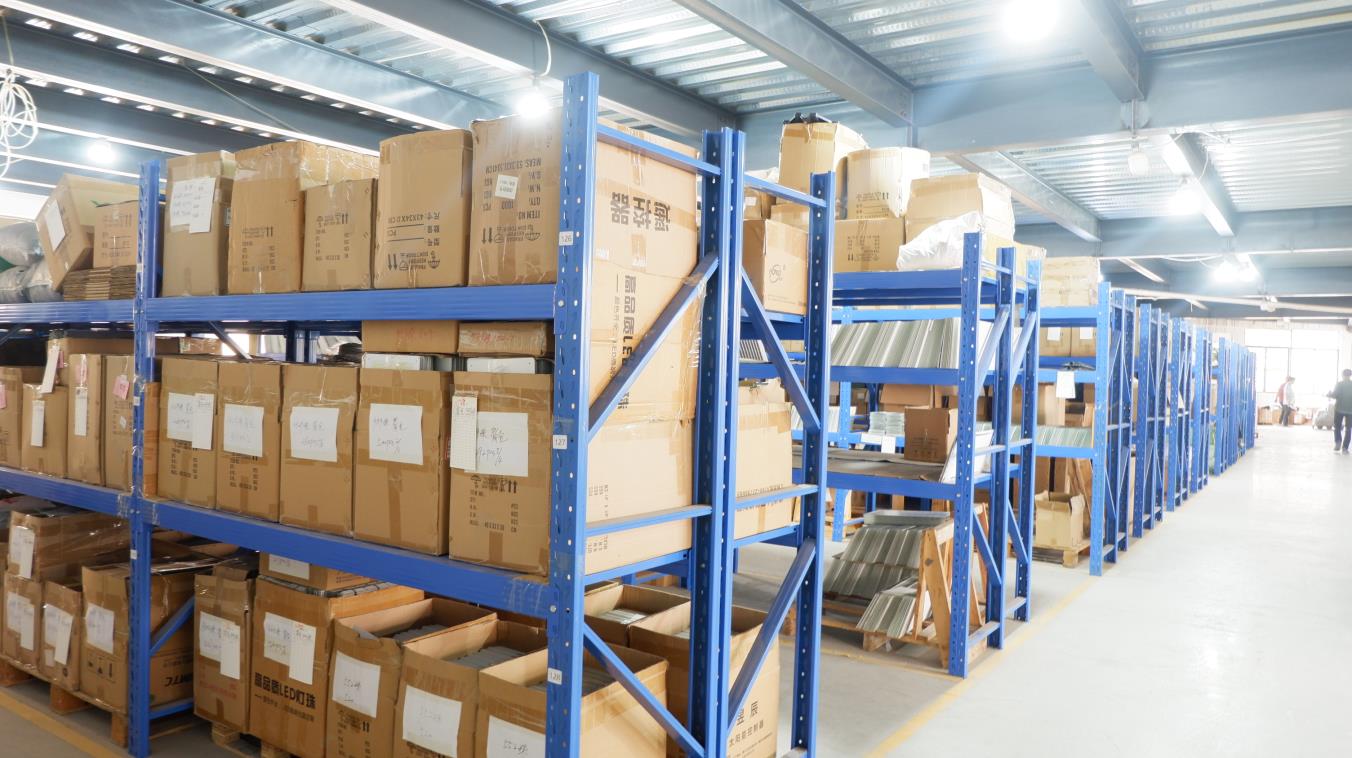
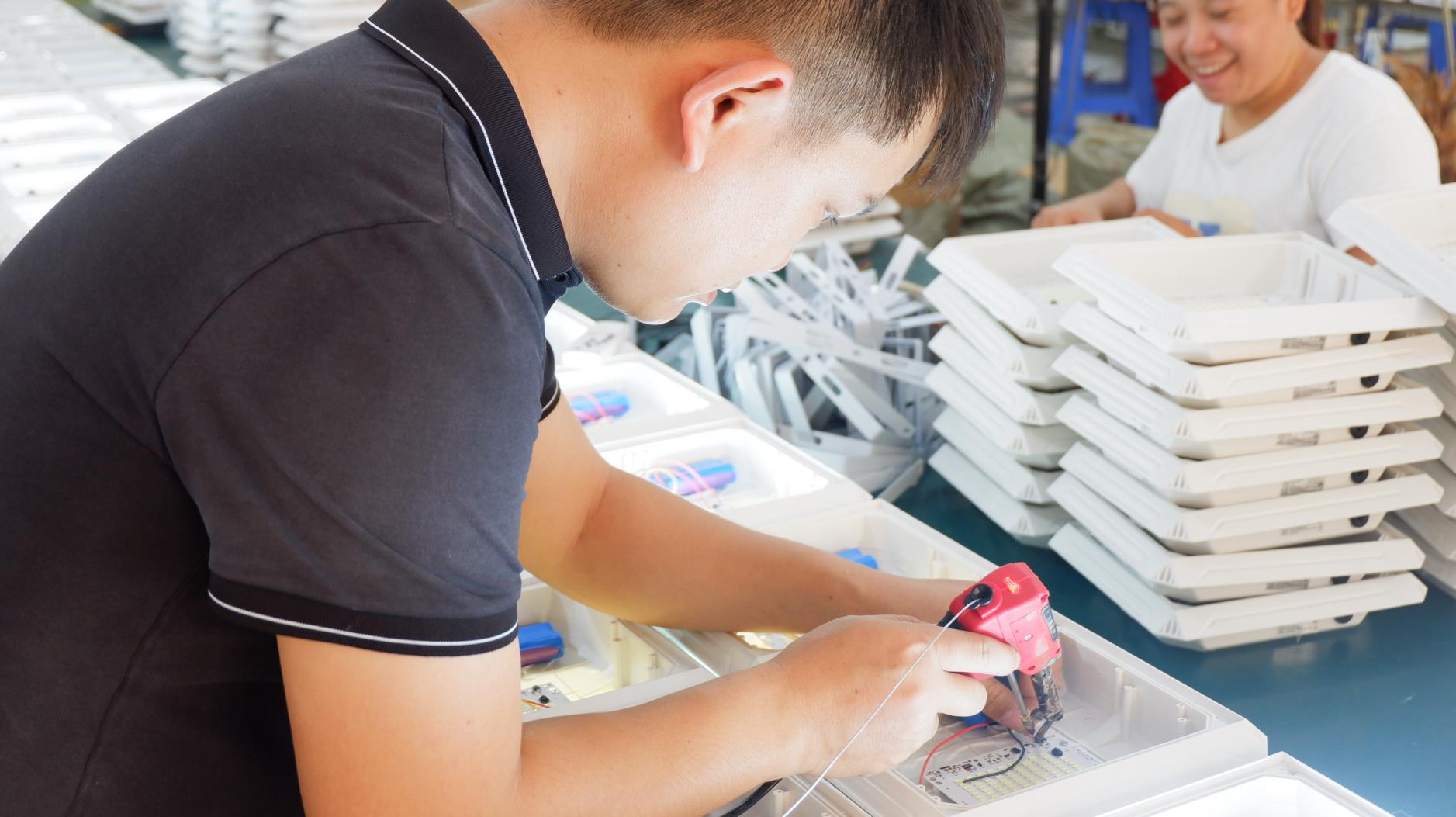
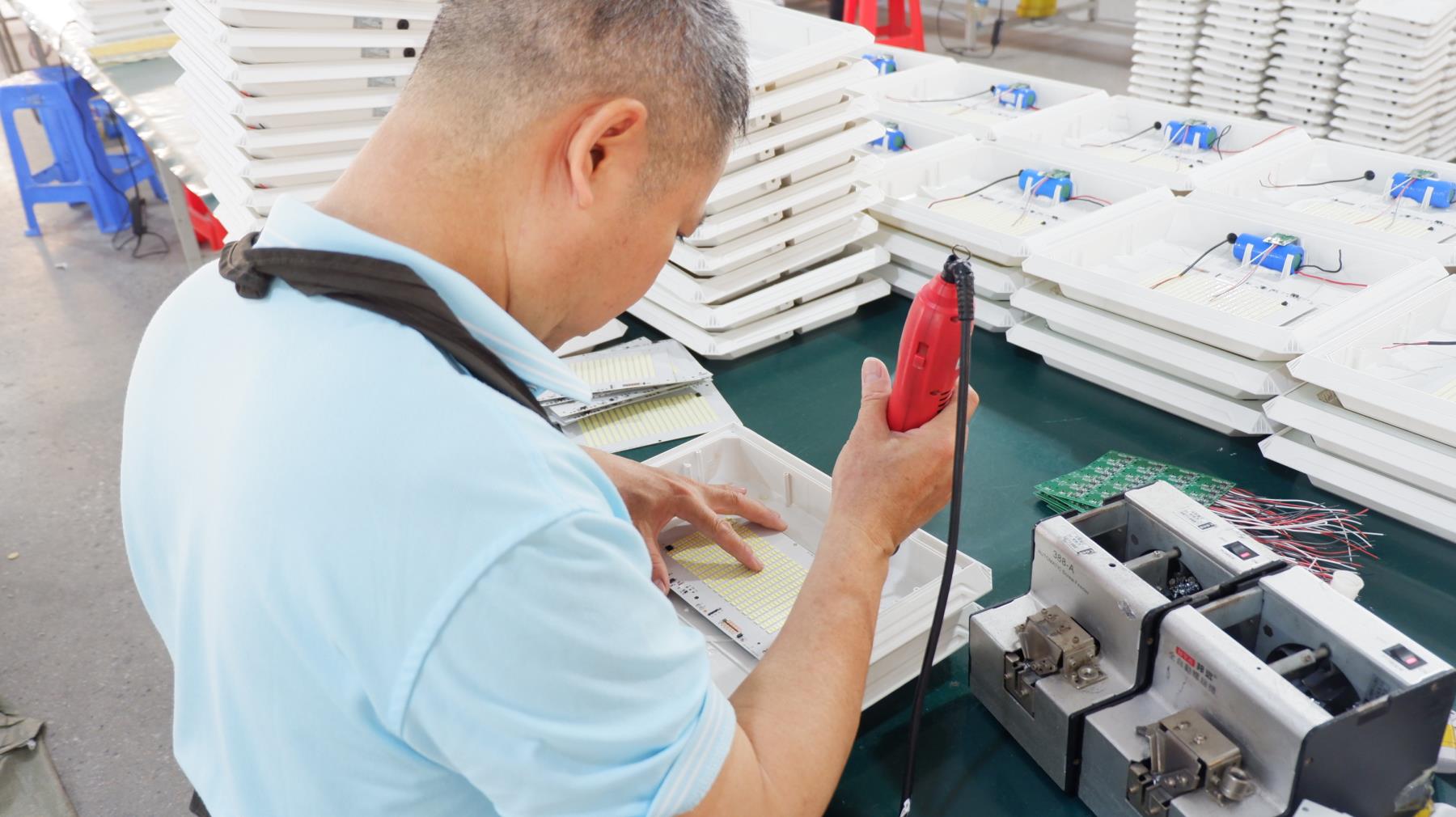
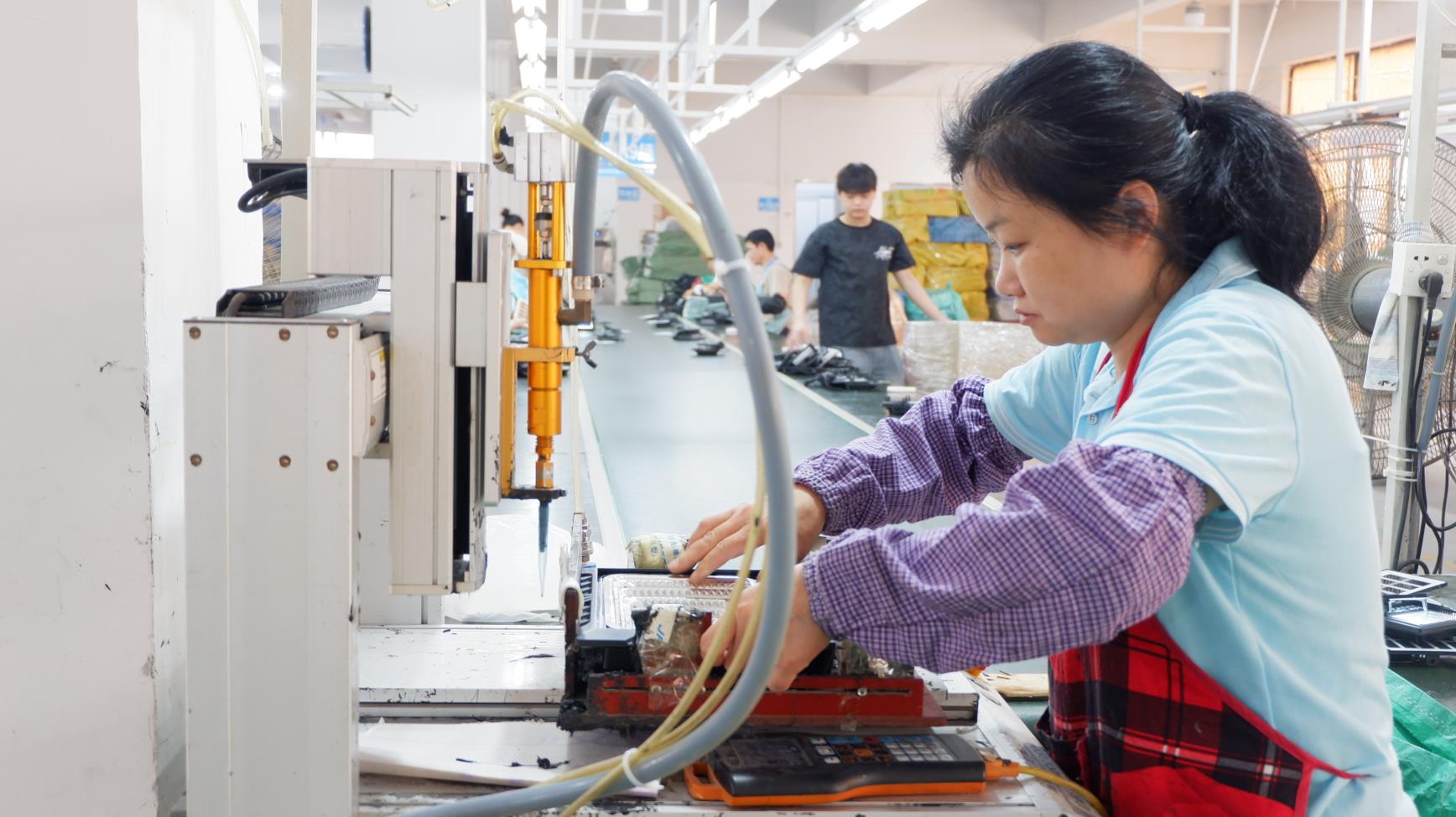
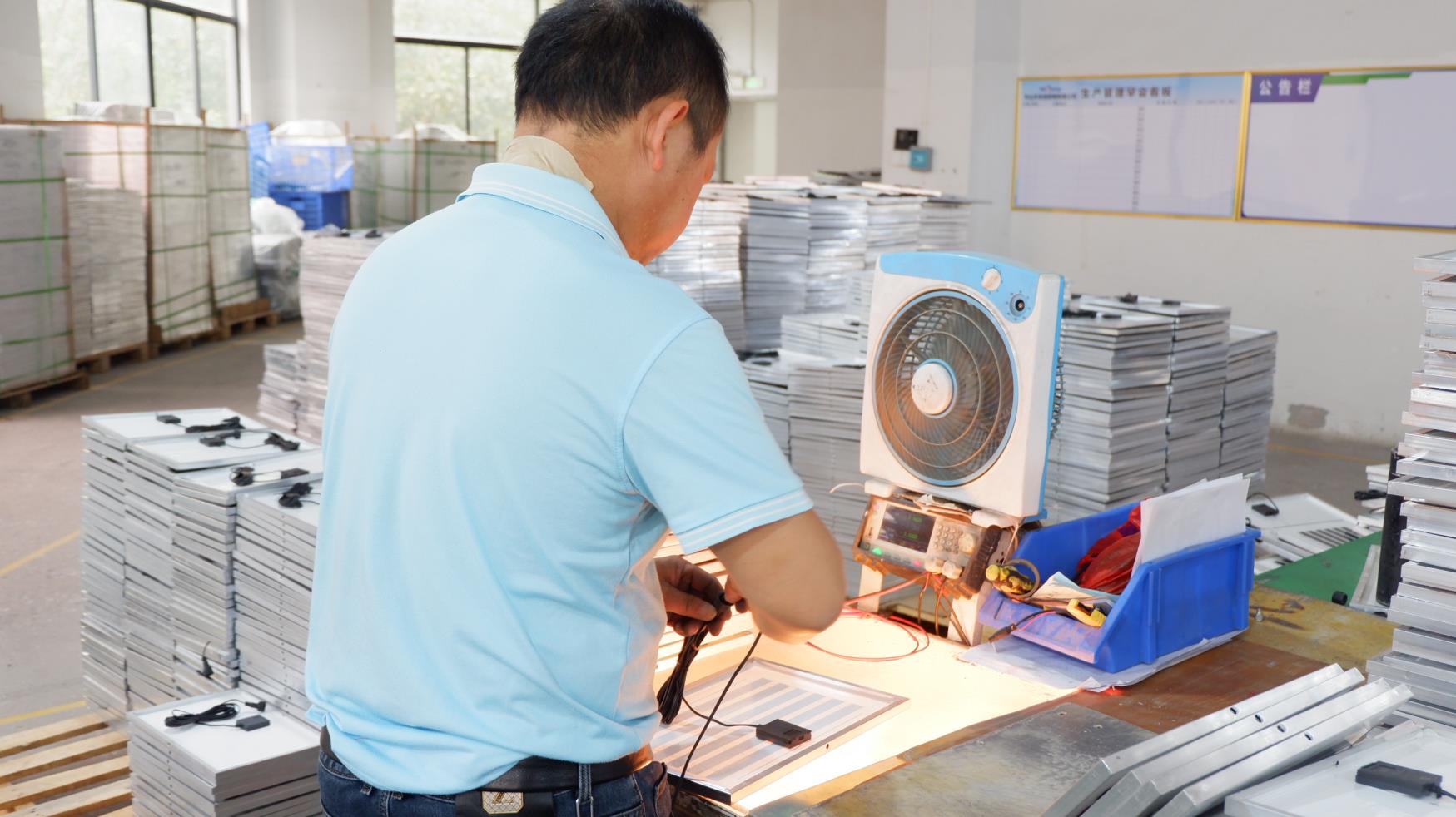
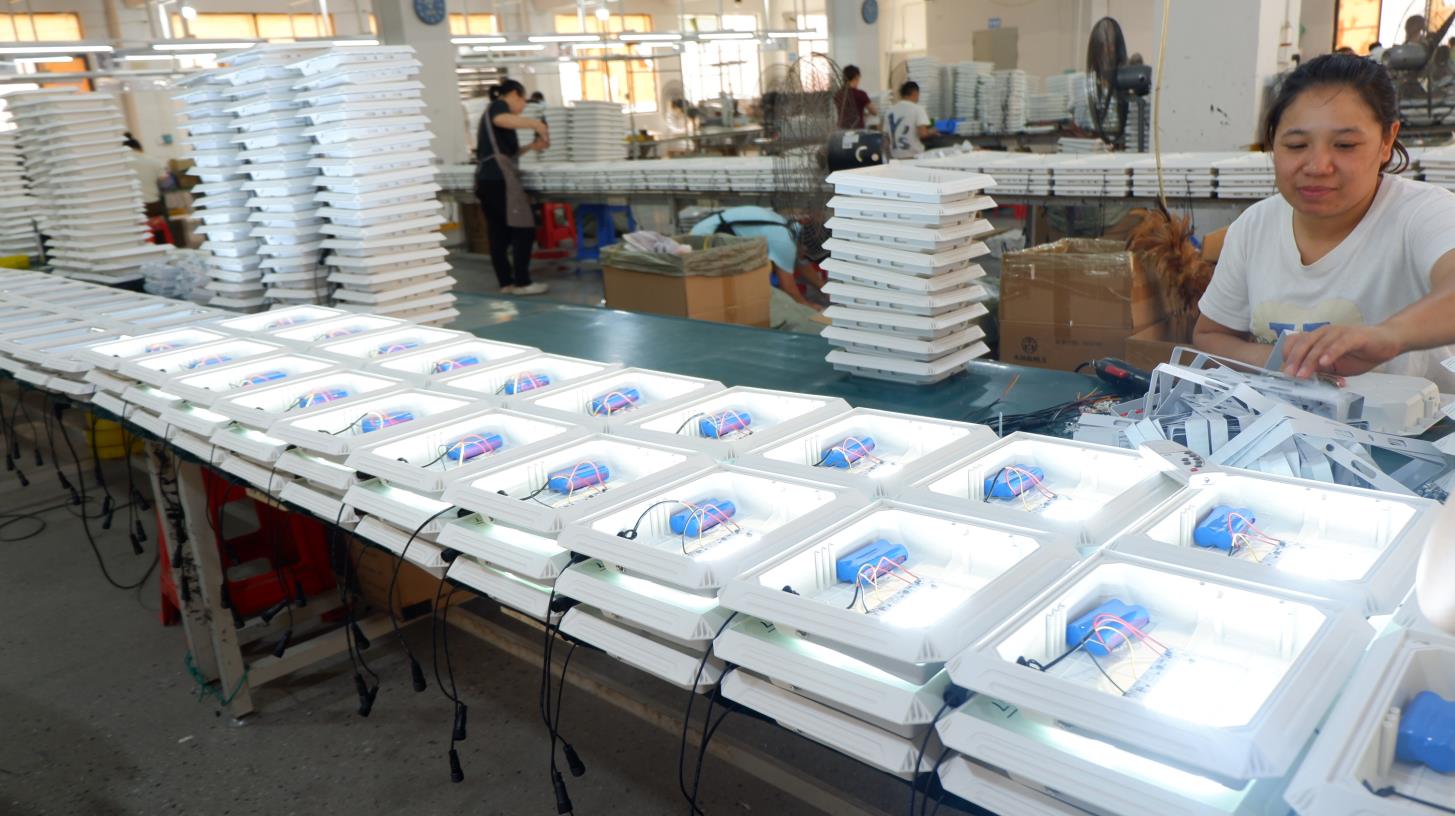
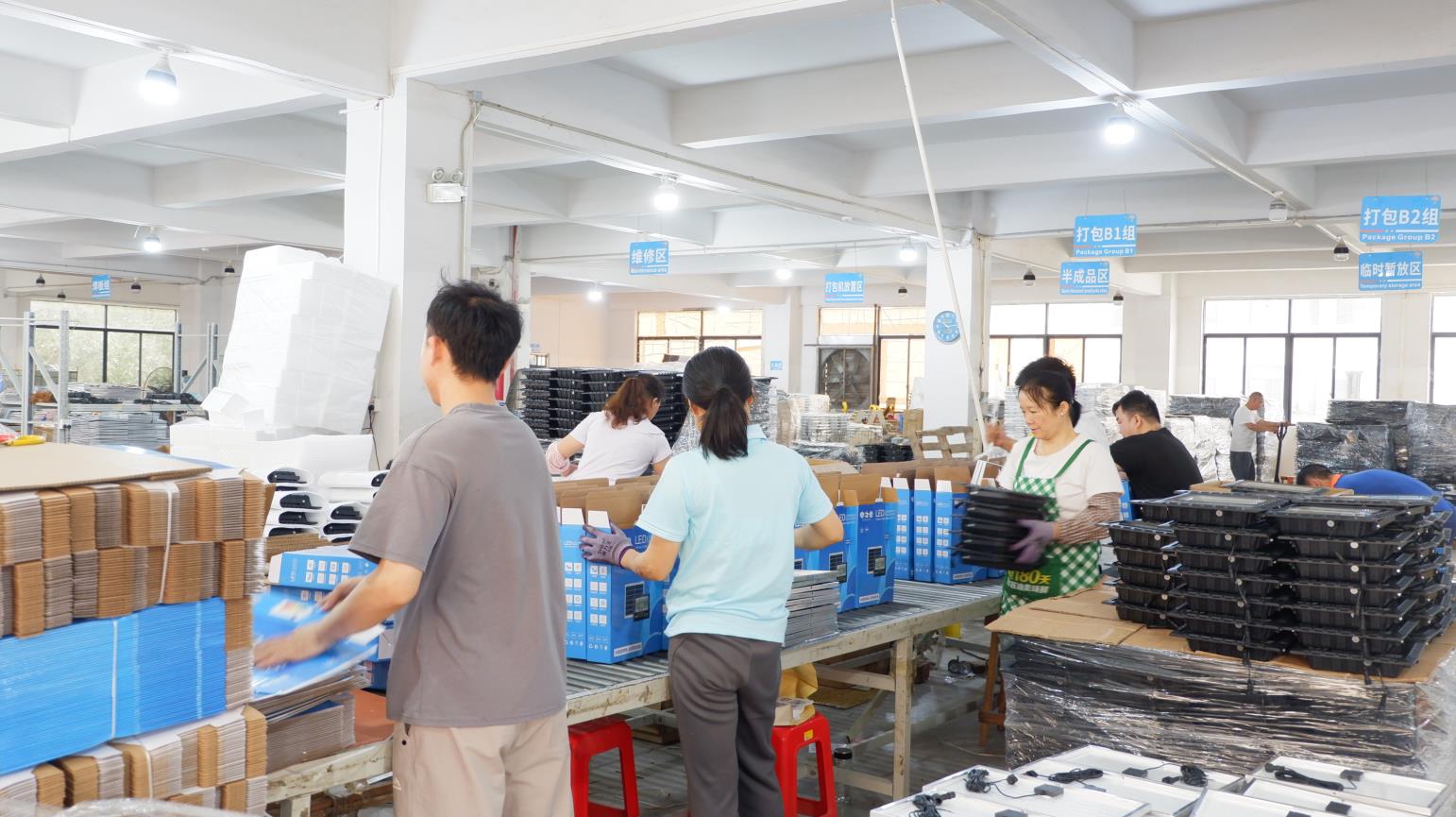
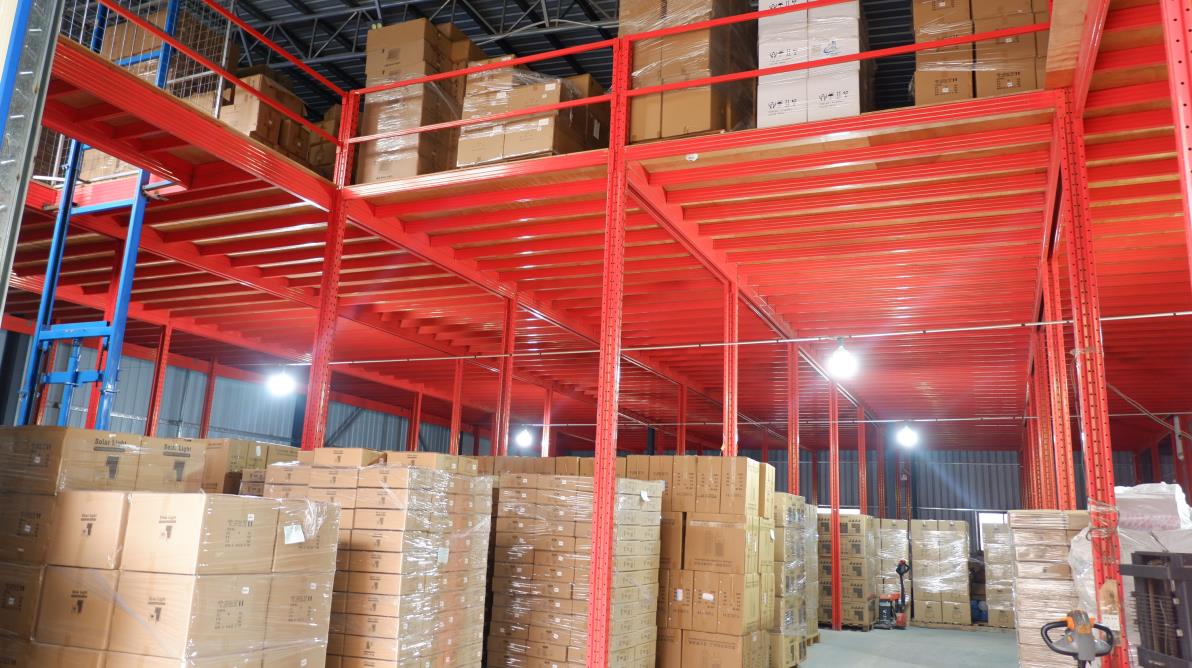
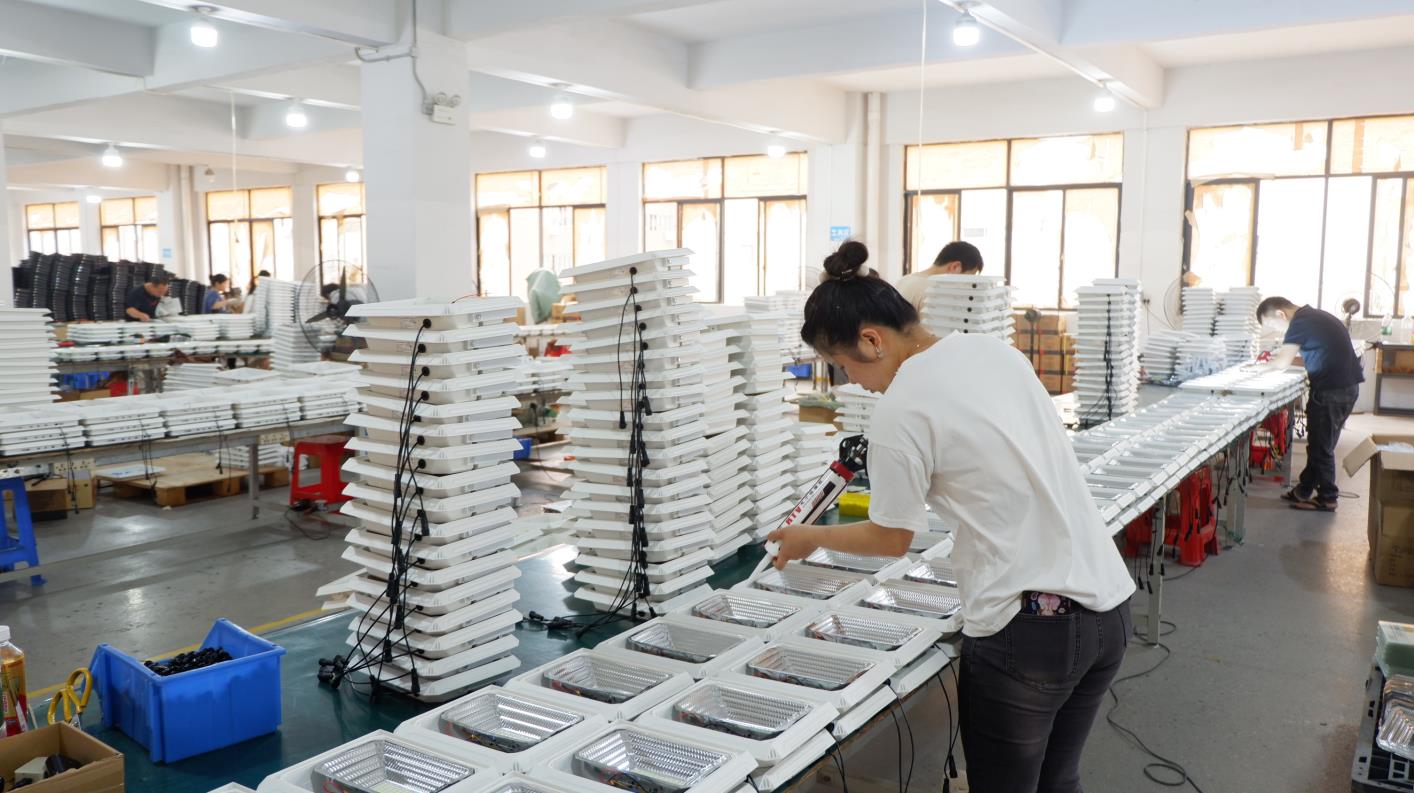
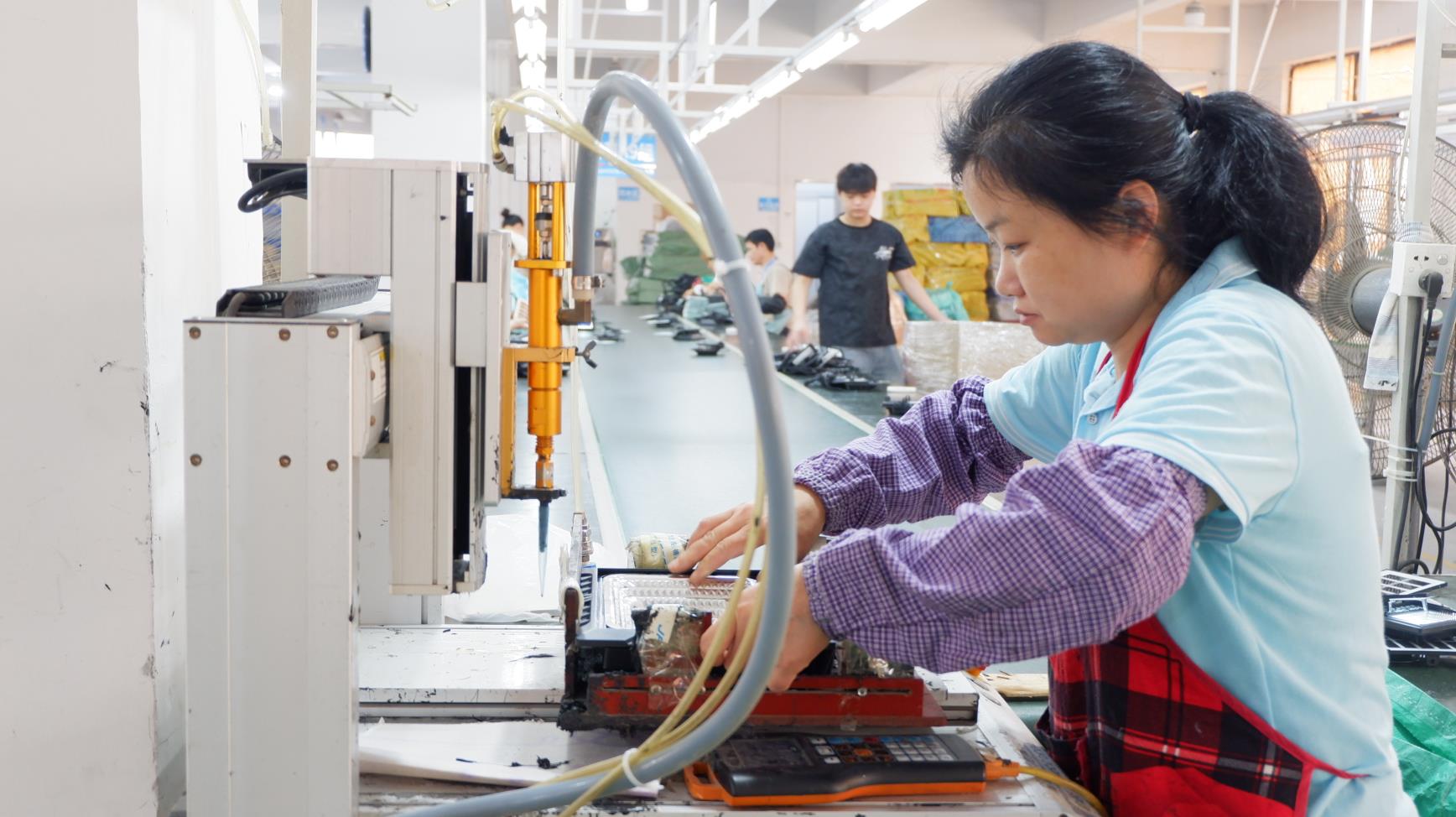
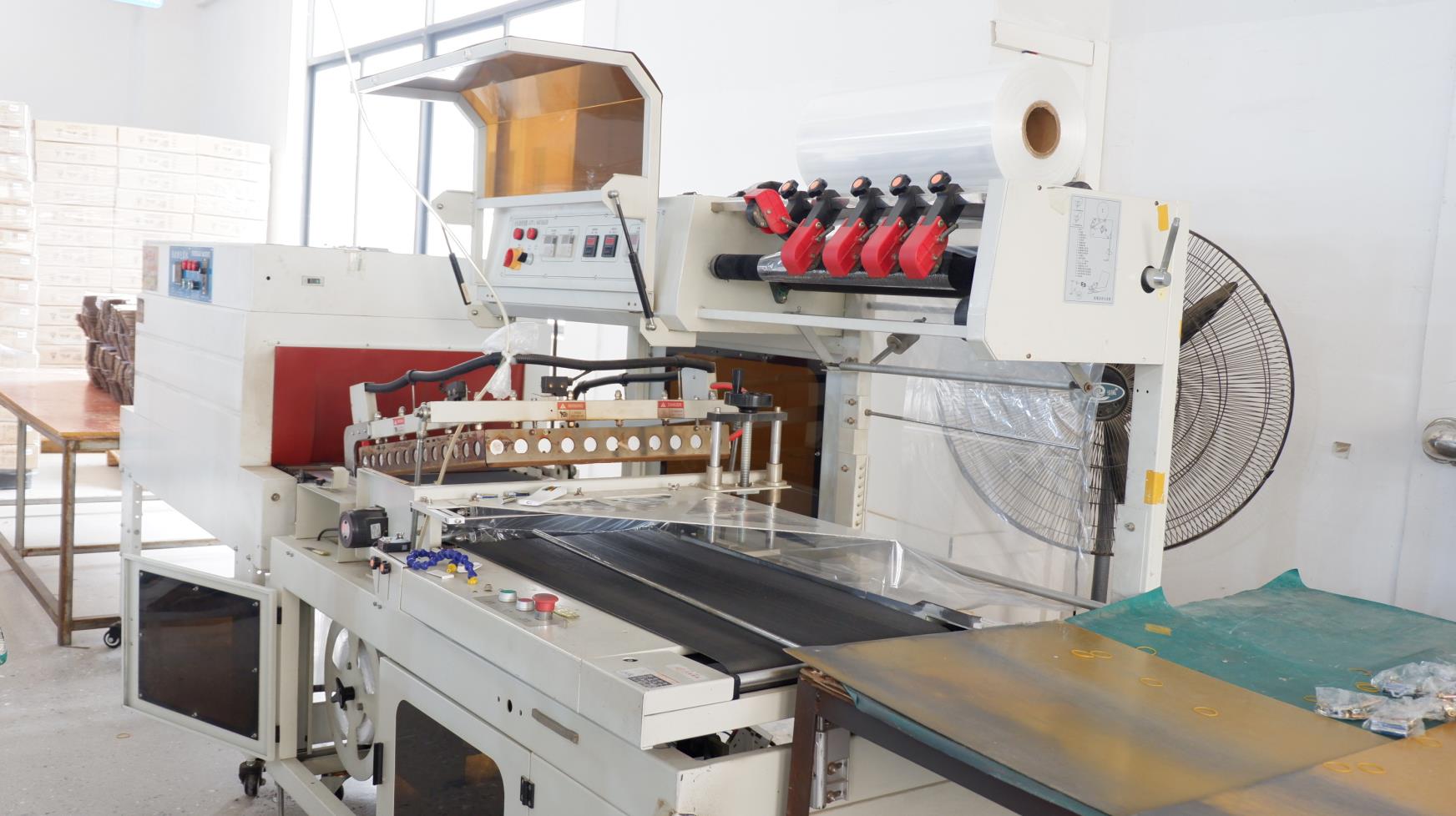
A strategic checklist for lighting importers, commercial contractors, and global distributors.
Sourcing high-quality electrical goods across international boundaries requires a proactive risk management approach. To protect your brand's reputation and ensure trouble-free distribution, consider these three procurement steps:
Ensure your supplier can provide authentic test reports from recognized third-party labs. Do not rely solely on copy-pasted PDF certificates. Ask for the certificate registration numbers and verify them directly with the issuing body (e.g., SGS, TÜV SÜD). Ensure LVD reports explicitly show compliance with EN 62560 (safety requirements for self-ballasted LED lamps) and EMC reports show compliance with EN 55015 (limits of radio disturbance characteristics).
LED candle lights feature delicate glass domes and structures that can be easily damaged during international transit. Ensure your purchase contracts specify heavy-duty, corrugated export cartons with customized inner molded pulp trays or high-density EPE foam cradles. Request drop tests (compliant with ISTA 1A or 2A protocols) to verify that packaged goods can withstand typical ocean transit and domestic courier handling.
When installing LED candle lights in large-scale chandeliers, hundreds of bulbs may be connected to a single circuit. This layout can cause high cumulative inrush currents when turned on, which can damage standard switches and cause breaker trips. Working with engineering-focused manufacturers like NexLt ensures that drivers are configured with soft-start circuits and transient suppressors to handle these loads safely.
Answering key technical, manufacturing, and shipping questions for global B2B buyers.
Heavy-duty, reliable, and energy-efficient lighting solutions designed for factories, warehouses, public spaces, and landscapes.
 NexLt Light