As the use of solar street lights increases globally, many users encounter a pressing question: "Why are my solar street lights not turning on at night?" In fact, industry reports indicate that nearly 20% of solar street light installations face operational issues due to common oversight and technical failures. These problems can stem from various factors, including battery malfunction, insufficient sunlight exposure, or even installation errors.
Dr. Emily Richards, a renewable energy expert, emphasizes this point by stating, "Many users overlook the importance of proper maintenance and installation, which are crucial for optimal performance." Her insights highlight a significant gap in user understanding. Often, issues arise after the initial setup, where solar street lights fail to illuminate as intended. Notably, lack of regular inspection and neglecting battery health can uneasily compromise the system’s efficiency.
By examining these challenges, we gain valuable insights into maximizing the functionality of solar street lights. It’s essential for users to reflect on the factors affecting performance, ensuring that their systems operate effectively throughout the night. Understanding the intricacies involved can lead to a more reliable and reliable lighting solution within our communities.
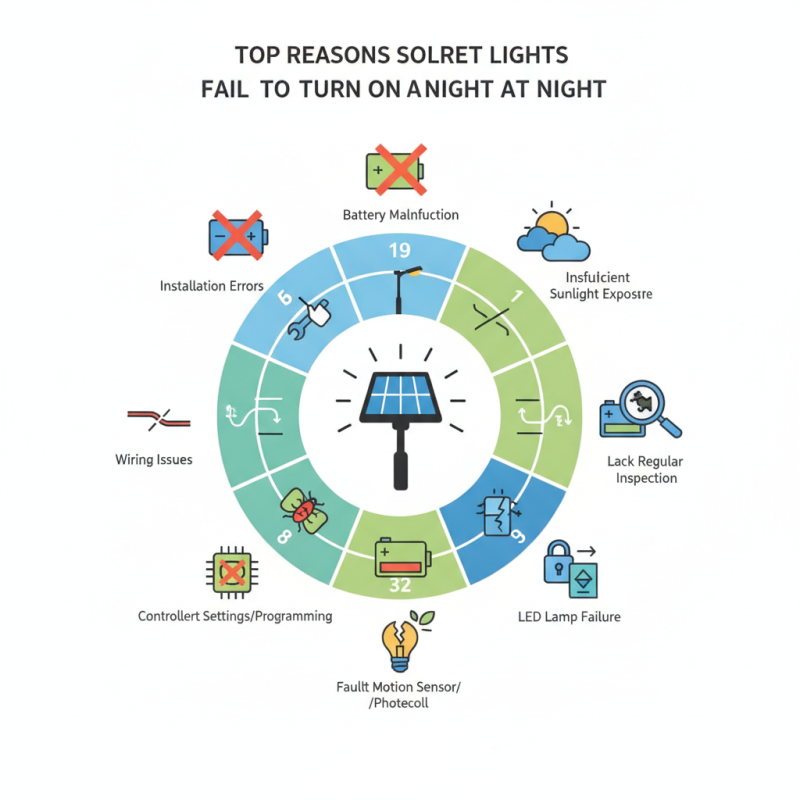
When solar street lights fail to activate at night, the reasons can vary. One common issue is insufficient sunlight exposure during the day. According to the Solar Energy Industries Association, solar lights require at least 6 hours of direct sunlight to fully charge. Without this, the battery may not hold enough energy for nighttime operation.
Another potential cause is the degradation of batteries. Over time, even the best batteries lose their capacity. A report from the National Renewable Energy Laboratory indicates that battery performance declines significantly after 2-3 years. Regular maintenance is essential to ensure your solar street lights remain functional.
Check for dirt or debris that might obstruct solar panels. This can block sunlight and reduce charging capacity. Clean panels periodically to ensure optimal performance.
Tip: Adjust the positioning of your solar lights if they're shaded by trees or buildings. This simple change can enhance their efficiency.
Ensure the sensors are functioning correctly. Malfunctioning light sensors can lead to lights not turning on at night. If issues persist, consider reaching out to a professional for inspection. Regular assessments can save time and avoid future frustrations.
When it comes to solar street lights, the efficiency of solar panels plays a crucial role in their nighttime activation. Only 15-22% of sunlight is typically converted into energy by solar panels, according to the National Renewable Energy Laboratory. If the panels are not operating at peak efficiency, this conversion rate drops significantly. Poor performance in cloudy or shaded conditions can limit energy storage during daylight hours, leaving insufficient power for nighttime illumination.
Temperature also affects solar panel efficiency. Studies show that high temperatures can decrease a panel's output by about 0.5% for every degree above 25°C. This means that in hot climates, solar panels may not generate adequate energy, especially in late summer. Additionally, dirt and debris can accumulate on panels, further diminishing their performance. Regular maintenance is key to ensuring they function optimally.
Wiring issues may arise, affecting the energy transfer from solar panels to batteries. If connections are loose or damaged, even well-functioning solar panels won't charge batteries properly. Furthermore, battery quality and capacity affect the entire system. Many users overlook the importance of battery ratings, which can lead to inadequate power supply at night. Understanding these variables is vital for optimal solar street light performance.
Battery health plays a crucial role in the functionality of solar street lights. These lights rely on solar energy, storing it in batteries for night-time use. If the batteries are not functioning optimally, the lights will either dim or fail to turn on entirely. This can happen due to several factors, such as aging, extreme temperatures, or improper charging.
Inspecting the battery regularly can provide insights into its health. Signs of wear, swelling, or reduced capacity indicate that it might be time for a replacement. The environment also affects battery performance. Excessive heat or cold can drastically shorten battery life. Even small fluctuations can lead to significant issues over time.
While solar technology has advanced, it's not infallible. Some users may not recognize the importance of battery maintenance. Neglecting battery care can result in disappointment when lights fail to operate. A proactive approach, such as routine checks and timely replacements, can enhance reliability. Being mindful of these details will ensure optimal performance of solar street lights throughout the night.
When solar street lights fail to activate at night, sensor malfunctions often play a key role. These systems commonly rely on light sensors to detect darkness. If the sensor is misaligned or obstructed, it may fail to trigger the lights. A study by the Solar Energy Industries Association shows that improper placement can reduce a light's effectiveness by over 30%. Ensure your sensors are not covered by debris or vegetation.
Temperature fluctuations can also impact sensor performance. Many sensors are designed to operate within specific temperature ranges. When exposed to extreme heat or cold, they may become unresponsive. According to the International Renewable Energy Agency, consistent monitoring and maintenance can prevent such issues, enhancing reliability by up to 25%.
Tips: Regularly check sensor settings and ensure they are calibrated correctly. If problems persist, consider replacing old or malfunctioning sensors with newer models. Embrace routine inspections to maintain functionality. Even the most advanced systems need occasional adjustments to perform optimally.
Solar street lights offer a sustainable lighting solution. However, environmental factors often pose challenges. Factors like cloud cover, rain, and short winter days can significantly impact their performance. A study shows that solar panels can lose up to 20% of their efficiency on cloudy days. This is crucial for locations with limited sunlight.
Another concern is the angle of solar panels. If not properly aligned, they may not capture adequate sunlight. They should ideally face the sun directly for optimal energy absorption. Furthermore, dust and debris accumulation can block sunlight, reducing efficiency. Regular cleaning is essential to maintain performance.
Tips: Keep the solar panels clean and unobstructed. Monitor local weather patterns to adjust expectations. Consider installing additional lighting for areas with consistent low sunlight. This proactive approach can mitigate issues and enhance the reliability of solar street lighting systems.
: Insufficient sunlight exposure and battery degradation are common reasons for this issue.
They require at least 6 hours of direct sunlight to charge effectively.
Aging, extreme temperatures, and improper charging can significantly impact battery health.
Look for signs like swelling, wear, or reduced energy capacity in the battery.
Cloud cover, rain, and dust accumulation can reduce sunlight absorption and efficiency.
Clean the solar panels regularly and ensure they are positioned for direct sunlight exposure.
Yes, shading from trees or structures can block sunlight and hinder charging.
Check the sensors for malfunctions and consider hiring a professional for inspection.
Regular assessments, ideally every few months, can help avoid unexpected failures.
No technology is perfect. Users should be proactive about maintenance to prevent disappointments.
In addressing the question, "Why are my solar street lights not turning on at night," it is essential to consider several common causes that may impede their functionality. One significant factor is the efficiency of the solar panels; if they do not capture enough sunlight during the day, the lights will struggle to activate at night. Additionally, the health of the batteries is crucial; degraded batteries may not hold the necessary charge to power the lights after sunset.
Moreover, sensor malfunctions can also lead to failure in night activation, as these sensors are responsible for detecting low light levels. Lastly, environmental factors such as prolonged cloudy weather or dirt accumulation on the panels can impact solar street light performance. Understanding these aspects can help users troubleshoot and ensure their solar street lights operate effectively when needed.

NexLt Light