When considering solar street lights, one key question arises: how long do solar street light batteries actually last? Understanding battery longevity is crucial for maintaining effective lighting systems. It directly impacts public safety and energy efficiency. Various factors contribute to the lifespan of these batteries.
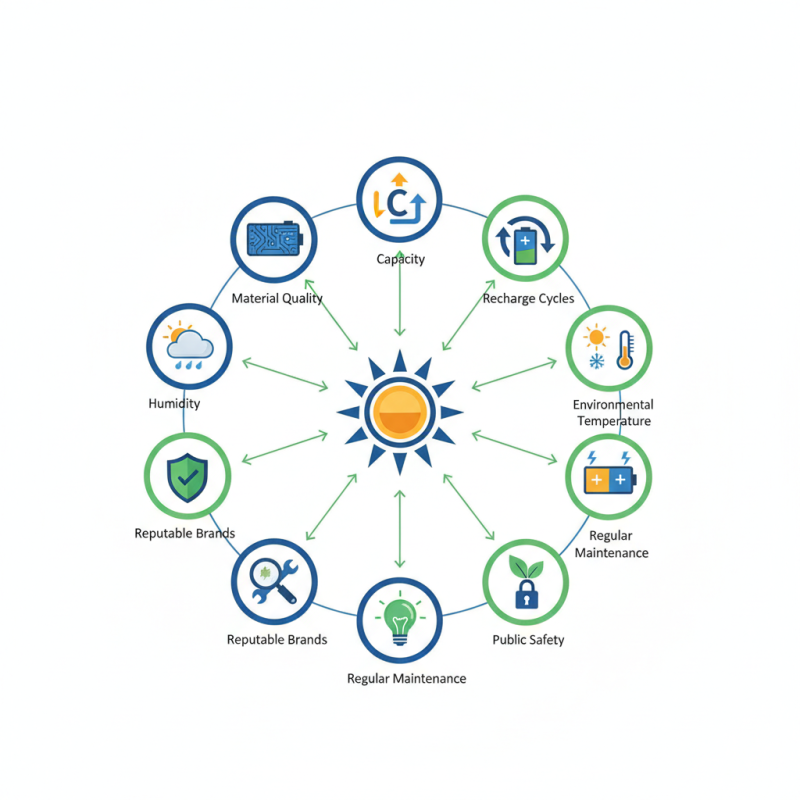
High-quality solar batteries can last several years, but not all batteries are created equal. The material, capacity, and recharge cycles play significant roles in determining durability. Additionally, environmental conditions—such as temperature and humidity—affect performance. Some users report early failures, raising concerns about reliability.
It is essential to invest in reputable brands and ensure proper installation. This will help maximize battery lifespan. However, even the best systems require attention and care. Regular maintenance checks are vital to avoid unexpected outages. Choosing the right battery can seem daunting, but informed decisions lead to better outcomes.
The choice between lithium and lead-acid batteries greatly influences the longevity of solar street lights. Studies have shown that lithium batteries outlast lead-acid counterparts by two to three times. Lithium batteries typically offer a cycle life of around 2,000 to 5,000 cycles. In contrast, lead-acid batteries may only last 500 to 1,200 cycles. This disparity stems from their chemical composition, where lithium's efficiency allows for deeper discharging without damage.
Thermal performance is another critical factor. Lithium batteries operate better in extreme temperatures. Research indicates that they maintain over 80% capacity at temperatures as high as 60°C. On the other hand, lead-acid batteries can suffer significant performance drops outside the 20°C to 25°C range. These temperature fluctuations lead to a need for frequent replacements of lead-acid batteries, impacting long-term costs.
While lithium batteries are praised for their longevity, they are not without flaws. Their initial cost remains high, making them less accessible for many projects. However, if we consider the total cost of ownership, savings on maintenance and replacements can justify the expense. A thoughtful assessment of battery characteristics ensures that solar street lighting systems work efficiently over time.
When it comes to solar street lights, battery life is crucial. Several factors can influence how long these batteries last. Temperature is one of the primary elements. Extreme heat can cause batteries to degrade faster. In colder climates, performance may drop. Keeping batteries in an optimal temperature range helps prolong their lifespan.
Charge cycles are another significant factor. Every time a battery is charged and discharged, it goes through a cycle. Too many cycles can lead to reduced capacity over time. Therefore, understanding how often a battery is charged is vital. Regular monitoring can help determine the right usage patterns.
Lastly, the way a battery is used also matters. Overly frequent usage or complete drain can negatively impact life. It's essential to find a balance between efficiency and performance. Not every solar light is used the same way. Some environments may require higher power output. Reflecting on these aspects can lead to better decision-making for long-lasting results.
Battery Management Systems (BMS) play an essential role in enhancing the longevity of solar street light batteries. A BMS monitors battery health, manages charge cycles, and prevents over-discharge. This process makes sure that each battery operates within safe limits, significantly reducing wear and tear. Proper management means lower costs for replacements and less waste in the long run.
Regularly updating the BMS software can improve performance. Software upgrades often include optimized charging algorithms. These adjustments can adapt to battery conditions, maximizing efficiency. Users should pay attention to these updates to ensure longevity.
Tips:
Check battery voltage levels regularly. This simple action can prevent damage from over-discharge.
Consider temperature factors as they affect battery performance. Extreme heat or cold can shorten lifespan.
Evaluate your solar panel positioning. Adequate sunlight exposure can enhance the overall efficiency of the lighting system.
Effective maintenance practices are crucial for maximizing the efficiency of solar street light batteries. Regularly inspecting the connections and terminals can prevent corrosion and ensure a solid electrical connection. Clean terminals enhance conductivity. It's essential to check for any signs of wear, as environmental factors can affect battery performance.
Monitoring the battery’s state of charge is another vital aspect. Keeping track of energy levels ensures the battery doesn’t over-discharge. An over-discharged battery may fail to hold a charge efficiently. Using an appropriate charge controller can also prolong battery life. It prevents overcharging and optimizes the charging process.
Periodic cleaning of solar panels is key too. Dust and debris block sunlight, reducing energy absorption. In some cases, neglecting this task can lead to significant energy loss. Regular checks and maintenance create a reliable system. These practices, although straightforward, are often overlooked, leading to suboptimal performance.
When evaluating the lifespan of solar street light batteries, it’s essential to consider the various battery technologies available.
Lithium-ion batteries are widely recognized for their long lifespan. They can last over 10 years with proper care.
However, they require specific charging conditions to maximize durability. On the other hand, lead-acid batteries are less expensive but may only last 3-5 years. Their performance can degrade quickly if not maintained properly.
Nickel-based batteries serve as another option. They typically last between 5-10 years but are not as commonly used.
They can be more sensitive to temperature fluctuations, which can negatively impact their performance. Each technology has its pros and cons, and understanding these distinctions is crucial for making informed choices.
Environmental factors also play a significant role in battery lifespan. Extreme temperatures can shorten the life of any battery type.
Regular maintenance checks are necessary, regardless of the battery used. Users should be mindful of this aspect, as neglecting it can lead to premature failures.
The balance between cost and longevity often requires careful thought and planning for optimal results.
: Temperature, charge cycles, and usage patterns significantly influence battery life.
Extreme heat degrades batteries faster, while cold climates may reduce performance.
Charge cycles refer to the process of charging and discharging a battery.
Regular monitoring of charge patterns can help determine the best charging frequency.
Overuse or complete draining can negatively impact battery life. Balance is important.
Lithium-ion, lead-acid, and nickel-based batteries each have different lifespans and care needs.
With proper care, lithium-ion batteries can last over 10 years.
Lead-acid batteries generally last 3-5 years if maintained properly.
Neglecting maintenance can lead to premature battery failures, regardless of the type used.
Extreme temperatures can shorten the lifespan of all battery types.
Solar street light batteries are critical for ensuring the efficiency and longevity of solar-powered lighting solutions. To answer the question, "How long do solar street light batteries actually last," it depends on several factors, including the type of battery used—lithium or lead-acid—each with its own longevity characteristics. Other influential elements are environmental conditions like temperature, the number of charge cycles, and usage patterns.
Additionally, battery management systems play a significant role in extending battery life by regulating charging and discharging processes. Regular maintenance practices can further optimize efficiency and prolong lifespan. Understanding these factors can help users maximize the benefits of solar street light batteries, allowing them to function effectively for years. A comparison of different solar battery technologies reveals substantial variances in longevity, underscoring the importance of informed choices in solar street light systems.

NexLt Light